Ethics Controversy Surrounds Hepatitis B Vaccine Trial in Guinea-Bissau
A contentious hepatitis B vaccine trial has been approved in Guinea-Bissau, raising serious ethical concerns about its implications for newborns.
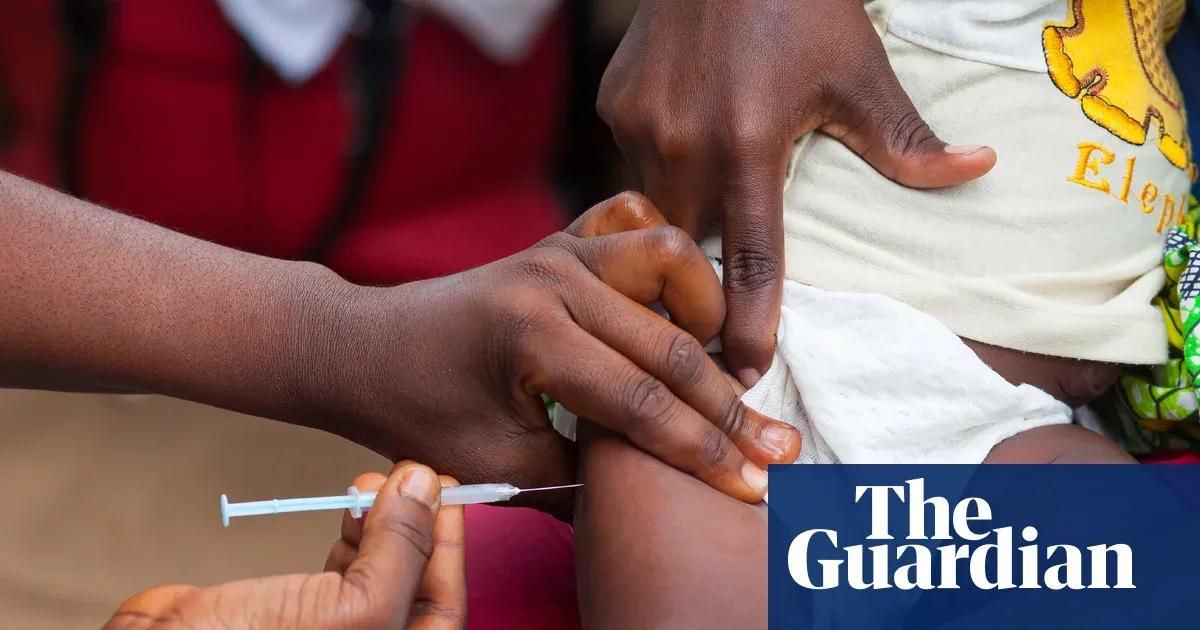
The trial will enroll 14,000 infants, with half receiving the vaccine at birth.
Significant ethical objections have been raised by researchers and health professionals.
The study aims to assess vaccination effects despite established benefits of the hepatitis B vaccine.
A controversial hepatitis B vaccine trial has received approval to proceed in Guinea-Bissau, where researchers plan to enroll 14,000 newborns. The trial will administer the vaccine to half of the infants at birth while withholding it from the others for the first six weeks of life. This decision has sparked outrage among health professionals and ethicists, who argue that the study exploits vulnerable populations in developing countries.
The trial is closely associated with Robert F. Kennedy Jr., a prominent vaccine skeptic and current secretary of the U.S. Department of Health and Human Services. Kennedy has publicly praised the Danish researchers involved and linked the study to a broader agenda that questions vaccine safety and efficacy. Critics, including infectious disease experts, have condemned the trial as unethical, suggesting that it would not be permissible in the United States due to its ethical implications.
An ethics committee from the University of Southern Denmark approved the trial, despite significant opposition from within the committee itself. Several members have resigned in protest, citing concerns that the study treats newborns as subjects in a lottery, where those not receiving the vaccine face increased risks of contracting hepatitis B. This virus can lead to severe health complications, including chronic liver disease and cancer.
The implications of this trial extend beyond Guinea-Bissau, where hepatitis B rates are among the highest globally. The study's design raises questions about the ethical responsibilities of researchers and the potential consequences for public health. The U.S. Centers for Disease Control and Prevention (CDC) has allocated funding for the project, further complicating the ethical landscape surrounding the trial.
Looking ahead, the trial is set to begin soon, with Guinea-Bissau planning to implement universal hepatitis B vaccination for newborns by 2028. However, the delay in standard vaccination practices has been criticized as an opportunity for researchers to conduct this controversial study. As discussions continue between U.S. officials and Guinea-Bissau, the ethical ramifications of this trial remain a focal point of concern for health advocates worldwide.