Understanding Postpartum Psychosis: A Global Health Concern
Postpartum psychosis affects new mothers worldwide, yet remains largely undiagnosed, especially in developing nations.
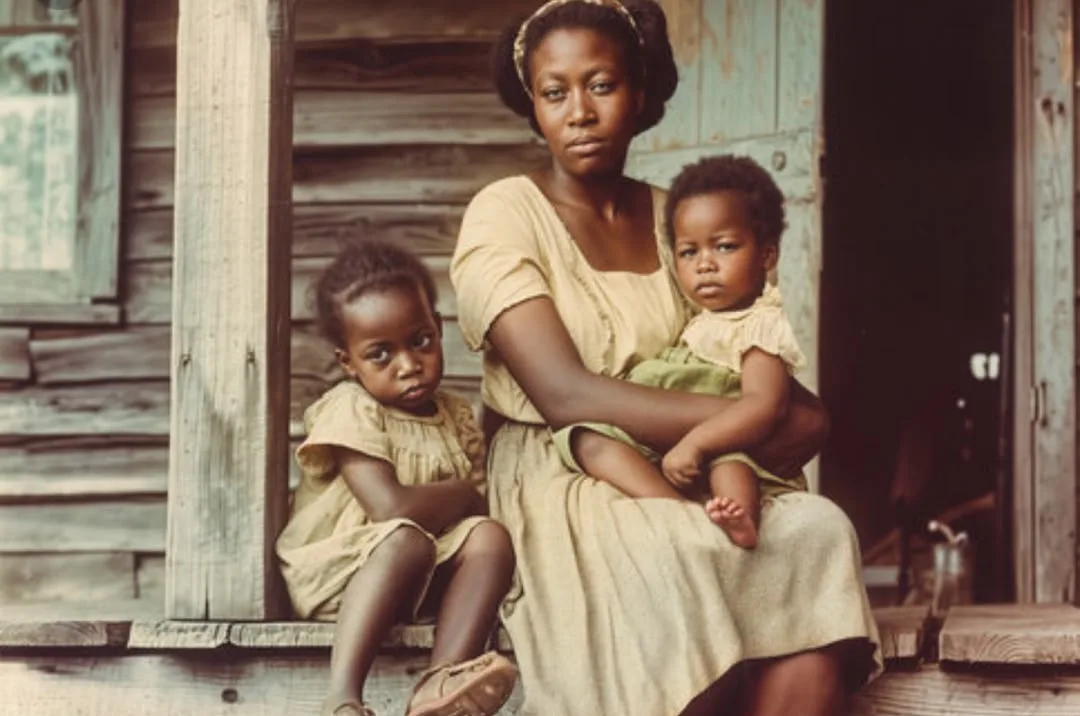
One in five mothers globally experiences postpartum depression, with significant underdiagnosis.
Postpartum psychosis is a severe mental illness that can develop within two weeks of childbirth.
In Sierra Leone, mental health challenges post-delivery are prevalent but often go unrecognized due to stigma and lack of resources.
Postpartum psychosis is a critical mental health issue that affects new mothers, with one in five experiencing postpartum depression globally. A recent meta-analysis indicates that the prevalence of postpartum depression stands at 17.22%, with higher rates in developing countries, where it can reach up to 19.8%. Alarmingly, more than half of these cases remain undiagnosed, leaving many women to suffer in silence, often without the support they need.
Celebrations often accompany the arrival of a newborn, but the joy can quickly fade as new mothers face the reality of caring for their infants alone. In many Western clinics, healthcare providers conduct thorough assessments of both the mother and the baby post-delivery, screening for potential mental health issues. This proactive approach contrasts sharply with the experiences of many mothers in less developed regions, where postpartum mental health care is frequently overlooked.
Postpartum psychosis, characterized by severe symptoms such as hallucinations, delusions, and extreme mood swings, typically manifests within the first two weeks after childbirth. The Mayo Clinic describes it as a medical emergency requiring immediate treatment, which may include hospitalization and medication. Recent high-profile cases, such as that of Lindsay Clancy, highlight the devastating consequences of untreated postpartum psychosis. Clancy was accused of harming her children, with her defense citing postpartum psychosis as a contributing factor.
In Sierra Leone, mental health issues following childbirth are prevalent yet underreported. A field report from Medecins Sans Frontieres revealed instances of postpartum psychosis in women, but the lack of awareness and stigma surrounding mental health complicates diagnosis and treatment. A study published in the International Journal found that 23% of pregnant women in Africa experience postpartum depression and anxiety, with Sierra Leone facing additional challenges due to high rates of violence against women and a history of civil unrest and health crises.
To combat the rising tide of postpartum mental health issues, experts like Dr. Samuel Sesay emphasize the need for increased awareness and education among healthcare providers and the public. Routine screening for postpartum conditions and ongoing training for health workers are essential steps toward improving outcomes for mothers. Additionally, encouraging pregnant women to prioritize antenatal care can facilitate early detection and intervention, ultimately saving lives and improving maternal mental health in Sierra Leone and beyond.