Ebola Survivors Face High Rates of Chronic Joint Pain
A study reveals that Ebola survivors experience significantly higher long-term joint and muscle pain compared to uninfected individuals.
90.9% of Ebola survivors report persistent joint and muscle pain.
61.3% of survivors show objective musculoskeletal abnormalities.
Younger survivors (20-39 years) are particularly vulnerable to long-term complications.
A recent study has highlighted that individuals who have survived Ebola virus disease suffer from notably higher rates of chronic joint pain and musculoskeletal issues compared to uninfected counterparts. This finding stems from a long-term cross-sectional study involving participants from the PREVAIL III cohort in Liberia, which assessed physical recovery approximately 55 months after the initial Ebola infection.
The research revealed that 90.9% of Ebola survivors reported ongoing symptoms such as joint pain, muscle pain, headaches, fatigue, urinary frequency, and memory loss. In contrast, only 69.4% of uninfected household contacts experienced similar symptoms. This stark difference underscores the long-lasting impact of the virus, suggesting that post-viral inflammatory and rheumatic conditions can persist for years following the acute phase of the disease.
Further clinical evaluations conducted during the study showed that 61.3% of survivors exhibited significant objective musculoskeletal abnormalities, compared to 42.9% of seronegative contacts. Among the total cohort of 1,144 participants, nearly half (48.7%) demonstrated at least one abnormality in their physical examinations, indicating a considerable physical burden that sets survivors apart from those who were not infected.
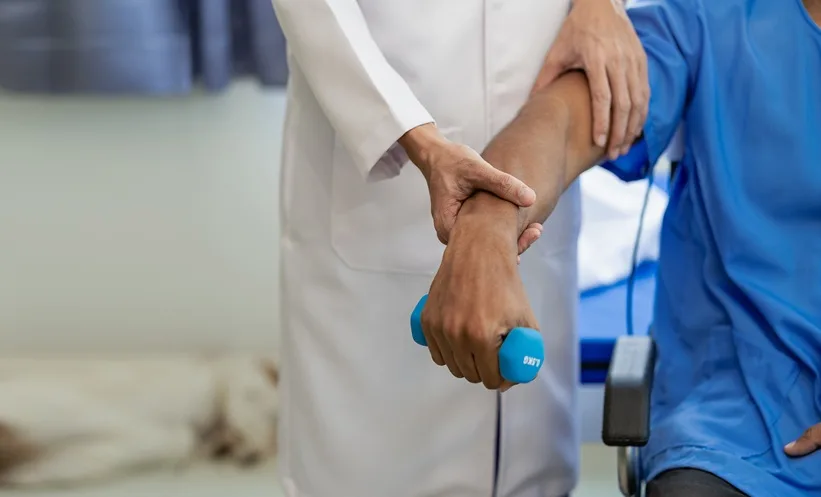
The implications of these findings are critical for the healthcare system, particularly in the context of rheumatic follow-up care. The study found that younger survivors, particularly those aged between 20 and 39 years, are at an increased risk for long-term complications, which is atypical compared to standard degenerative joint issues. This suggests a unique post-viral disease process that necessitates ongoing rheumatologic monitoring and care.
As healthcare professionals continue to evaluate patients with a history of filovirus exposure, it is essential to incorporate thorough joint examinations into their primary and specialized care. This approach aims to address the persistent musculoskeletal issues faced by Ebola survivors and improve their long-term health outcomes.