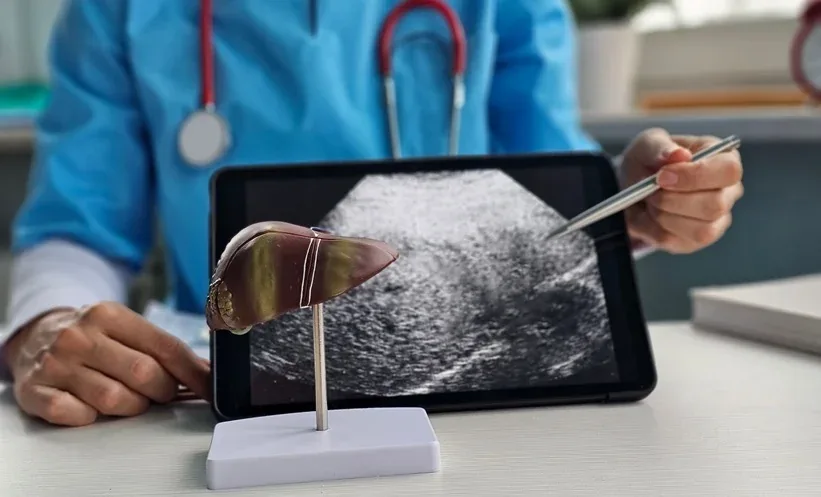
Study Reveals Radiotherapy's Role in Bile Duct Cancer Mortality
A recent study highlights the effectiveness of radiotherapy in managing unresectable bile duct cancer while noting significant local complications.
Median overall survival for patients was 18.3 months.
Local complications contributed to 40% of deaths among patients.
Radiation doses above 54 Gy showed no significant survival benefits.
A recent retrospective study has shed light on the effectiveness of radiotherapy in controlling local disease in patients suffering from unresectable extrahepatic bile duct cancer. The findings indicate that while radiotherapy can manage the disease, complications related to the tumor remain a significant cause of mortality.
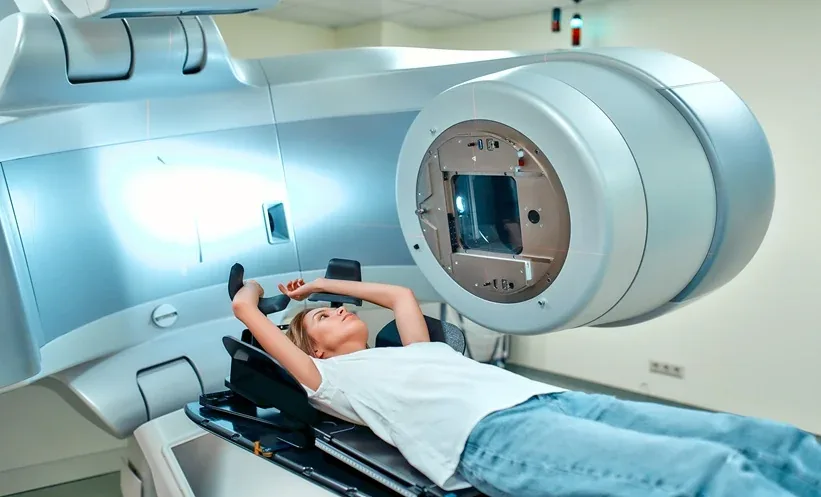
The research focused on patients diagnosed with localized, unresectable extrahepatic bile duct cancer who underwent conventional fractionated radiotherapy. The majority of participants had perihilar bile duct cancer, with a median radiation dose of 54.0 Gy. Treatment modalities included three-dimensional conformal radiotherapy for 55 patients and intensity-modulated radiotherapy for 19. Concurrent chemotherapy was administered to 57 patients, enhancing the treatment approach.
The study reported a median overall survival of 18.3 months and a median progression-free survival of 11.5 months. The estimated rates for freedom from local progression were 86.3% at one year and 36.2% at two years. However, the results also highlighted that distant metastasis was the most prevalent pattern of treatment failure, affecting 52.7% of the patients, while locoregional progression was noted in 20.3%.
Among the 65 patients who succumbed to the disease, complications such as cholangitis, liver failure, and tumor bleeding accounted for 26 deaths, representing at least 40% of total fatalities. The authors of the study suggested that the actual percentage might be higher due to missing data on some patients' causes of death. Notably, there were no instances of acute gastrointestinal toxicity of Grade 3 or higher, although 8.1% of patients did experience late toxicity at that level.
In conclusion, the study emphasizes that while definitive radiotherapy provides effective local control with manageable toxicity for patients with unresectable extrahepatic bile duct cancer, the significant contribution of local complications to mortality underscores the need for enhanced treatment strategies. Future research should focus on optimizing local therapies and addressing the challenges posed by both local complications and distant disease progression.