Ebola Outbreak Surges Past 10,000 Cases in DRC
The Ebola crisis in the Democratic Republic of Congo has escalated, with over 10,000 confirmed cases and warnings of potential global spread.
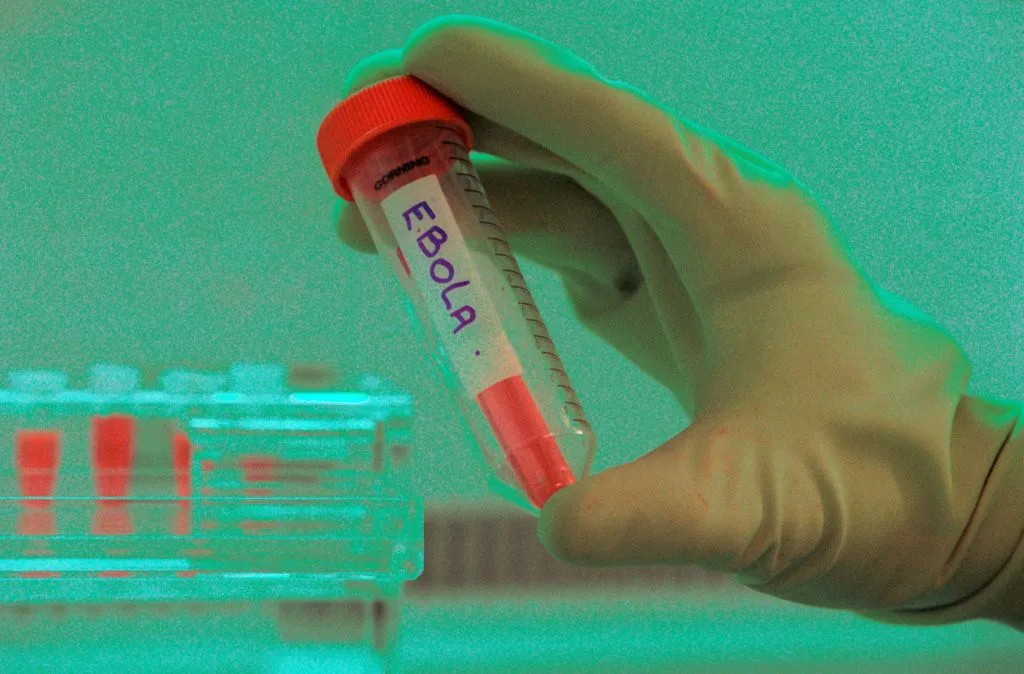
Ebola outbreak in DRC has surpassed 10,000 confirmed cases.
The Bundibugyo strain poses unique challenges due to lack of specific treatments.
Community mistrust and violence are hindering response efforts.
The Ebola outbreak in the Democratic Republic of Congo (DRC) has reached a critical juncture, with health officials reporting over 10,000 confirmed cases and nearly 5,000 fatalities. This alarming situation, which was officially declared in mid-May in Ituri province, has raised concerns about the virus potentially spreading to Western nations, including the UK. The rapid evolution of this outbreak is reminiscent of the early stages of the COVID-19 pandemic, prompting calls for heightened emergency preparedness globally.
The current epidemic is driven by the Bundibugyo strain of Ebola, a rare variant that has not been effectively countered by any approved treatments. Genetic sequencing indicates that the virus has been circulating since February, leading to the largest and deadliest outbreak in DRC's history. While clinical trials for vaccines are underway, the lack of immediate public protection leaves frontline workers relying on supportive care and stringent containment measures to manage the crisis.
Dr. Jean Kaseya, Director-General of the Africa Centres for Disease Control and Prevention, emphasized that geographical distance does not guarantee safety from the virus. He noted that Nigeria has already reported a case, highlighting the need for vigilance across the continent. The Africa CDC has set a challenging target to link 95% of new cases to known contacts, a goal that remains elusive as approximately 80% of new infections are occurring outside monitored transmission chains.
The socio-political instability in eastern DRC is exacerbating the situation, with widespread misinformation and community mistrust posing significant barriers to effective response efforts. Recent violence against health workers, including the killing of a nurse and attacks on humanitarian personnel, has severely disrupted medical infrastructure. Reports indicate that health facilities have been destroyed, and humanitarian organizations have been forced to relocate staff due to the deteriorating security environment.
As the outbreak continues to unfold, the implications for public health extend beyond the DRC. The interconnectedness of global travel means that until the crisis is contained at its source, the threat of Ebola spreading to other nations remains a pressing concern. Health authorities are urging immediate action to restore security, rebuild trust within affected communities, and ensure that medical assistance can reach those in need.