Childhood Migraines Linked to Sleep Deprivation and Lifestyle Choices
Experts emphasize the impact of sleep patterns and stress on childhood migraines.
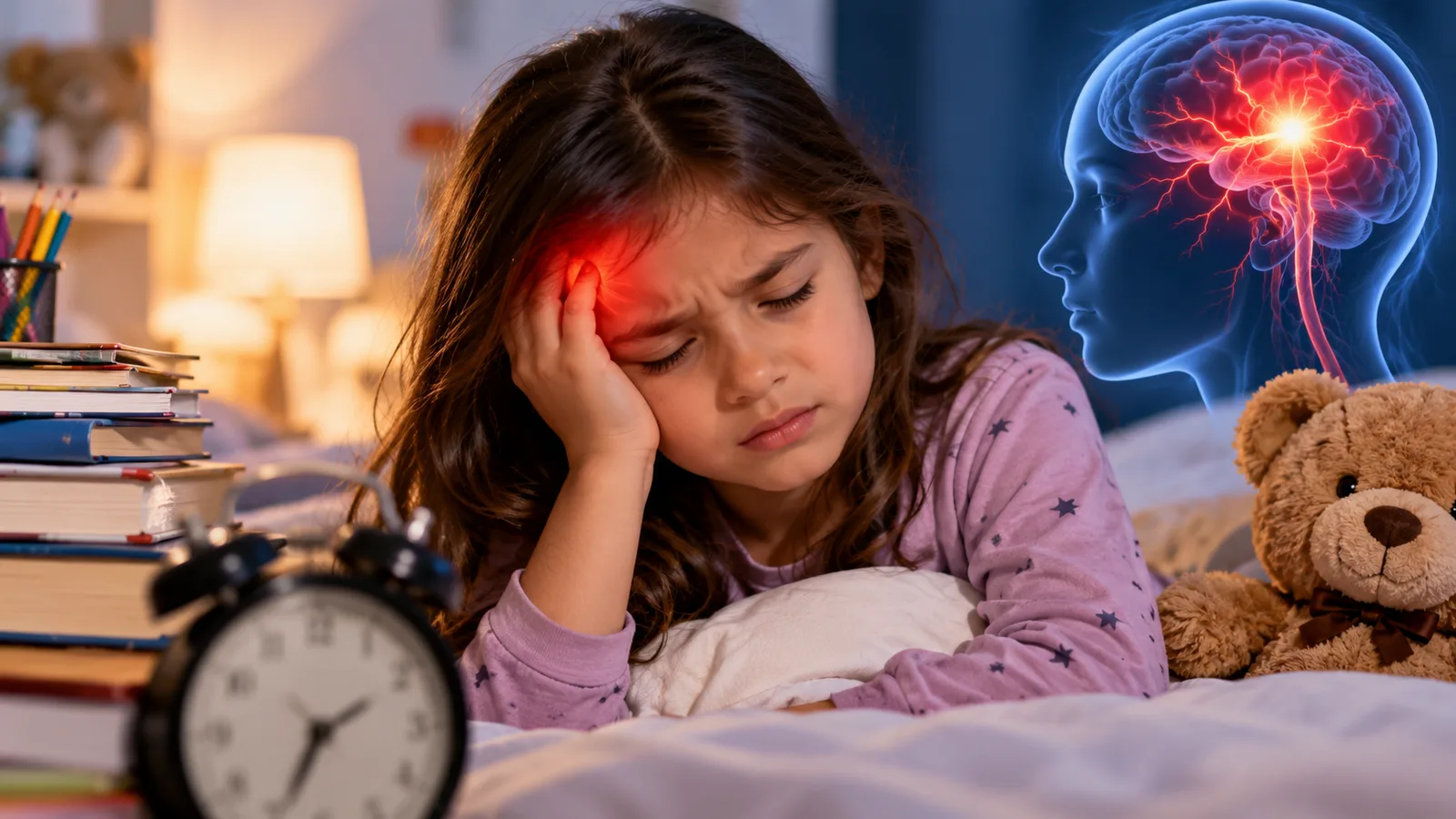
Irregular sleep and busy schedules are major migraine triggers for children.
Identifying specific triggers can be challenging for parents and children.
Current migraine prevention medications show limited effectiveness in children.
Childhood migraines are becoming a significant health issue, with medical professionals pointing to sleep deprivation and lifestyle habits as key contributors to this condition. A recent article by Dr. William G. Wilkoff on Medscape highlights the complexities involved in recognizing migraine triggers in children, emphasizing the need for lifestyle modifications as part of effective management strategies.
Several lifestyle factors have been identified as linked to the onset of migraines in children. Irregular sleep patterns, including late nights and inadequate rest, can heighten the risk of migraine episodes. Additionally, overloaded schedules filled with long trips and insufficient downtime may exacerbate the frequency of headaches. Children often struggle to articulate their symptoms, making it difficult for parents to detect early warning signs and patterns associated with migraines.
Research indicates that while the evidence supporting lifestyle changes is still developing, experts advocate for addressing these factors as a foundational approach to managing migraines. A review of 40 studies involving over 2,500 patients revealed that around 30% experienced adverse effects from migraine-prevention medications. Furthermore, the Childhood and Adolescent Migraine Prevention (CHAMP) trial found no significant differences in migraine reduction between commonly prescribed medications and placebo.
Emerging studies on calcitonin gene-related peptide (CGRP), a neuropeptide linked to migraines, may offer new avenues for treatment. Preliminary animal research suggests that sleep deprivation could heighten sensitivity to CGRP, potentially increasing migraine-like responses. Although CGRP-targeting drugs are not yet approved for use in children and adolescents in the U.S., researchers are optimistic that continued investigation may yield safer and more effective therapies.
In the meantime, experts continue to stress the importance of fostering healthier sleep habits, maintaining balanced schedules, and identifying individual triggers to mitigate the impact of migraines on children. As awareness grows, it is crucial for parents and caregivers to remain vigilant in managing these factors to improve the quality of life for affected children.