Ebola Outbreak Leaves 8,200 Children Orphaned in DRC
The ongoing Ebola epidemic in the Democratic Republic of Congo has orphaned over 8,200 children, prompting the establishment of emergency nurseries.
The current Ebola outbreak has resulted in 9,704 infections and 4,687 deaths in DRC.
Emergency nurseries are providing care for children who have lost their parents to the virus.
Child protection teams are struggling to identify and locate relatives for many orphaned children.
The Democratic Republic of Congo (DRC) is grappling with a devastating Ebola outbreak that has orphaned over 8,200 children. As the epidemic continues to spread, emergency nurseries have been established to care for these vulnerable children, many of whom have lost both parents to the disease. One such nursery, located in Mongbwalu, Ituri province, is among 12 facilities set up to provide support to the orphans of this ongoing crisis.
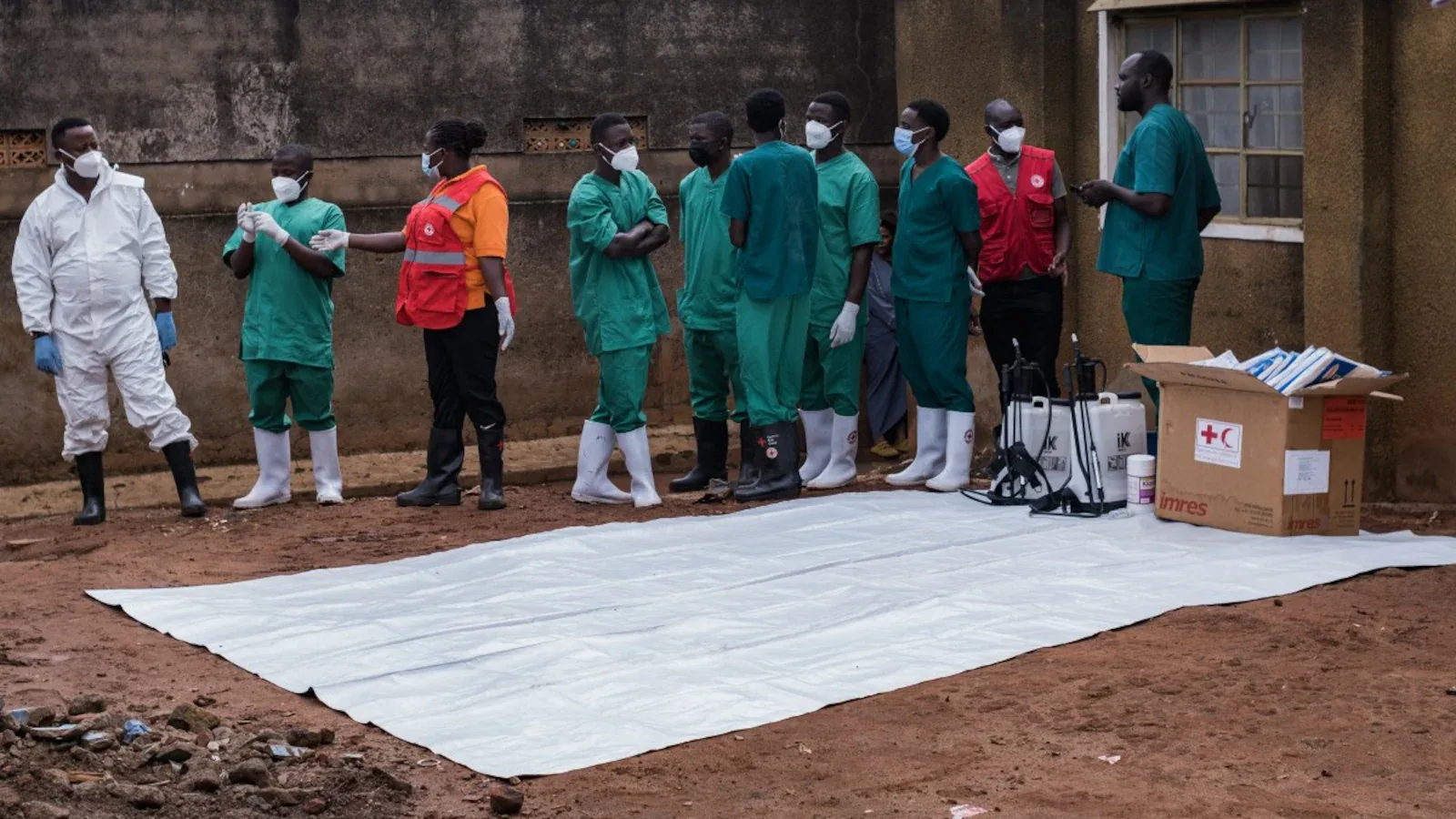
The current outbreak, which is the DRC's 17th, has quickly escalated into the deadliest recorded in the country, with health authorities reporting 9,704 cases and 4,687 fatalities. The situation is particularly dire in Ituri province, where the outbreak is centered. Children account for approximately one-third of the deaths and over a quarter of the infections, highlighting the severe impact of the virus on the younger population. Caregivers at the nurseries, such as Marie Bakikula, emphasize the emotional toll on the children, many of whom believe they will never see their parents again.
In the emergency nurseries, children are kept under observation for 21 days, the incubation period for Ebola, to monitor for any symptoms. The nurseries are equipped with disinfected toys and provide a semblance of normalcy amidst the chaos. However, the psychological impact is profound, as many children have witnessed the death of their parents and the removal of bodies by burial teams in protective gear. Psychologists like Monique Ndjangosi work to support the emotional needs of these children, who often have no means of communicating with their infected parents.
Efforts are being made to locate relatives who can care for the orphaned children, but many remain unidentified due to their young age or the circumstances of their parents' illness. Celine Lusinde, head of provincial child protection services, reports that her office has registered thousands of newly orphaned children since the outbreak began. The community response includes individuals like nurse Marie-Therese Tsesi, who has taken in five orphans, providing them shelter and care after they were found malnourished and without a home.
As the outbreak continues, health authorities face significant challenges, including resource shortages and insecurity in the region. The lack of an approved vaccine or specific treatment for the Bundibugyo strain of Ebola complicates the response efforts. With cases also reported in neighboring countries, the situation remains critical, and the need for immediate support for the orphans is more urgent than ever.