Ebola Outbreak in DRC: Ethical Dilemmas for Health Workers
The ongoing Ebola crisis in the Democratic Republic of Congo raises critical ethical questions about the responsibilities of health workers amid personal risk.
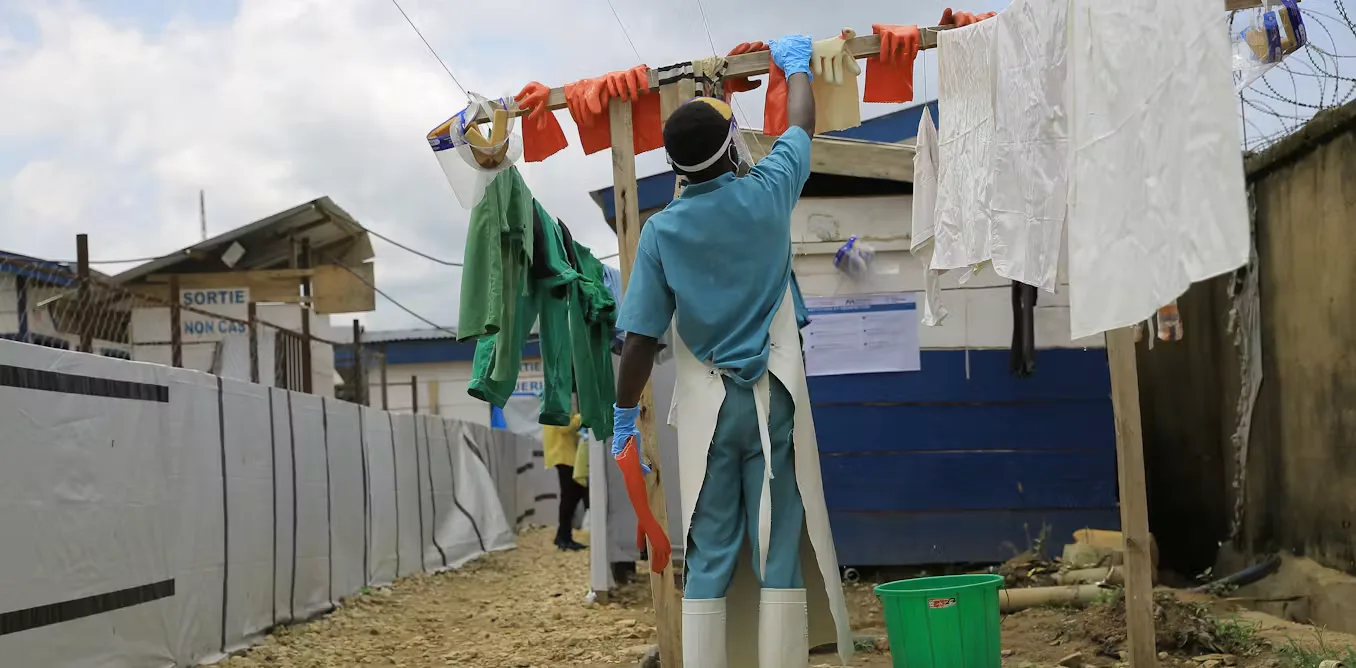
Over 11,700 Ebola cases reported in DRC since May 2026.
160 health workers have contracted Ebola, with 43 fatalities.
Violence against health workers complicates outbreak response efforts.
The World Health Organization (WHO) announced the Bundibugyo Ebola outbreak on May 15, 2026, with alarming statistics indicating 11,712 cases and 5,720 deaths reported by November 18, primarily in the Democratic Republic of Congo (DRC). As the crisis escalates, medical researchers are racing to develop effective vaccines, with trials currently underway. However, the absence of medical countermeasures has made early detection and supportive care crucial in mitigating the outbreak's impact.
The outbreak has necessitated a high level of coordination among various health workers, including physicians, nurses, and community health volunteers, who are risking their lives to care for affected populations. By August 2026, 160 health workers had contracted Ebola, and 43 had succumbed to the disease. This situation prompts a long-standing ethical debate regarding the obligations of health workers during health crises, particularly in terms of their safety and the risks they are expected to bear while treating patients.
Historically, ethical codes have mandated that healthcare professionals continue to provide care during outbreaks, even at personal risk. The American Medical Association's first code of ethics in 1847 emphasized this duty, which has been reiterated in subsequent versions. However, the current discourse revolves around the extent of risk health workers should endure, especially in light of recent outbreaks such as HIV, SARS, and COVID-19. Ethical considerations now include whether health workers have a moral obligation to act in the public's best interest and what protections should be afforded to them.
The DRC's ongoing conflict complicates the situation further, as health workers face not only the threat of infection but also violence from affected communities. Reports indicate that since the outbreak's declaration, there have been over 260 attacks on health workers, leading to several deaths and injuries. The WHO has documented 81 attacks on healthcare facilities, exacerbating resource shortages and hindering effective outbreak response. Community mistrust and fear have also led to hostility towards health workers, complicating efforts to provide care.
Moving forward, it is essential to establish a balance between the urgent need to contain the Ebola outbreak and the ethical duty to protect health workers. Ensuring their safety is paramount, as it directly impacts the effectiveness of disease surveillance, treatment capacity, and community trust in healthcare services. As the situation evolves, addressing these ethical dilemmas will be crucial for the ongoing response to the Bundibugyo outbreak in the DRC.