Ebola Outbreak in DR Congo Claims Over 5,000 Lives
The ongoing Ebola crisis in the Democratic Republic of Congo has resulted in more than 5,000 fatalities, marking it as the deadliest outbreak in the nation's history.
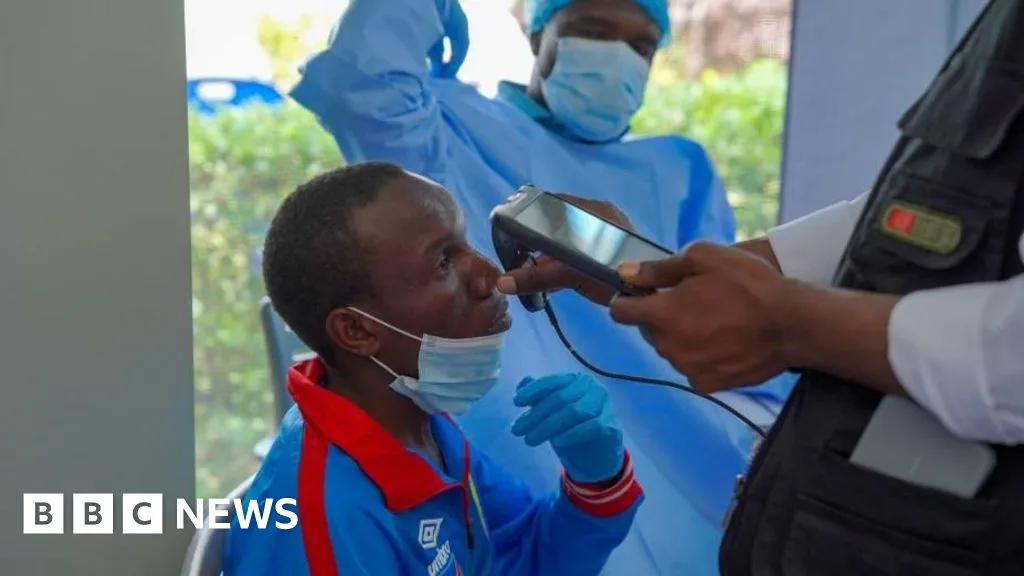
The outbreak has affected eight provinces with over 10,300 confirmed cases.
The case fatality rate stands at 48.6%, with the Ituri province being the epicenter.
International health organizations emphasize the need for enhanced control measures and community outreach.
The Democratic Republic of Congo is facing a severe Ebola outbreak that has resulted in over 5,000 deaths, according to the latest government data. This outbreak, which began in May, has escalated to become the deadliest in the country’s history, with public health officials reporting more than 10,300 confirmed cases across eight of the 26 provinces.
The outbreak's epicenter is located in Ituri province, a region plagued by conflict, complicating efforts to contain the virus. The current case fatality rate is alarmingly high at 48.6%. The World Health Organization (WHO) has highlighted the urgent need for increased access to affected areas and the implementation of key control measures to combat the spread of the virus.
This marks the 17th recorded Ebola outbreak in the Democratic Republic of Congo, and it is the second largest in history. The Bundibugyo strain is responsible for the current crisis, and as of now, there are no effective treatments or vaccines available for this particular strain. The previous deadliest outbreak in the country resulted in 2,299 deaths between 2018 and 2020, while the most lethal outbreak globally occurred in West Africa from 2014 to 2016, claiming over 11,325 lives.
The implications of this outbreak extend beyond the immediate health crisis, as local health workers have faced violence while responding to the epidemic. Reports indicate that a nurse was killed and another health worker was seriously injured during an attack linked to local youths who accused them of spreading the virus. The situation has led to increased tensions and challenges in managing the outbreak effectively.
Looking ahead, health authorities are conducting testing and treatment initiatives, alongside clinical trials for potential vaccines. The WHO and other health organizations are advocating for a coordinated response to mitigate the outbreak's impact. Travel restrictions remain in place in neighboring countries, including Uganda and Kenya, as they monitor for potential cases. The European Centre for Disease Prevention and Control has assessed the risk of infection in Europe as very low, but vigilance remains crucial as the situation develops.