Ebola Crisis in DR Congo: Health Workers Trapped Amid Rising Violence
World Health Organization staff remain confined in Ituri province as violence against women escalates during the Ebola outbreak.
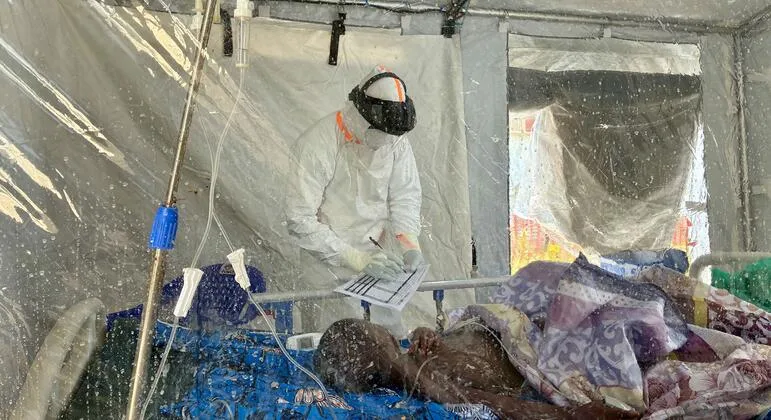
WHO personnel are trapped in a maternity ward in Ituri due to ongoing conflict.
Ebola outbreak has led to increased violence against women and girls, with nearly 60% reporting abuse.
UNICEF's surveillance highlights the urgent need for support services for affected women and girls.
Health workers from the World Health Organization (WHO) are currently trapped in a maternity ward in Ituri province, Democratic Republic of the Congo (DRC), as violent clashes continue nearby. This situation has arisen since fighting erupted on Saturday, complicating efforts to manage the ongoing Ebola outbreak that first emerged in May. WHO spokesperson Christian Lindmeier emphasized the importance of maintaining hospitals as safe havens during such conflicts, expressing hope for the safe evacuation of the trapped personnel as soon as possible.
The DRC is grappling with a significant Ebola outbreak caused by the Bundibugyo virus, with over 11,613 confirmed cases and 5,678 fatalities reported by WHO. Ituri and Nord Kivu provinces are the hardest hit areas, where health workers are striving to contain the virus while facing the challenges posed by ongoing violence. The situation is further exacerbated by torrential rains, which have hindered movement and response efforts in the region.
In conjunction with the health crisis, UNICEF has reported a troubling rise in violence against women and girls during the outbreak. Initial findings from a real-time surveillance study indicate that nearly 60% of women and adolescent girls have experienced increased violence since the outbreak began. The study, conducted in collaboration with SOFEPADI, a Congolese women-led organization, has involved interviews with over 1,000 women and girls in five health zones within Ituri province. Dr. Douglas Noble from UNICEF highlighted the alarming trends emerging from this research, indicating that many respondents are facing heightened control, emotional abuse, and physical violence.
The ongoing Ebola crisis has compounded existing vulnerabilities, particularly for women and girls who are already living in precarious conditions due to years of conflict and displacement. Sandrine Lusamba, the National Coordinator of SOFEPADI, noted that the number of visits to safe spaces for women and girls has surged threefold, reflecting the urgent need for support. Many women report feeling unsafe when seeking food for their families or are restricted by their families due to fears of infection.
As the situation develops, experts stress the importance of ensuring that services for women and girls remain accessible and adequately funded. Dr. Noble reiterated that while measures such as isolation and contact tracing are essential to control the Ebola outbreak, the accompanying stress and violence faced by families, particularly women and girls, must be addressed. The safety and well-being of these vulnerable populations should be a priority in the ongoing response to the Ebola crisis in the DRC.