Ebola Cases in Eastern Congo Exceed 12,000 Amid Ongoing Conflict
The Ebola outbreak in eastern Congo has surpassed 12,000 confirmed cases, complicating containment efforts due to armed conflict.
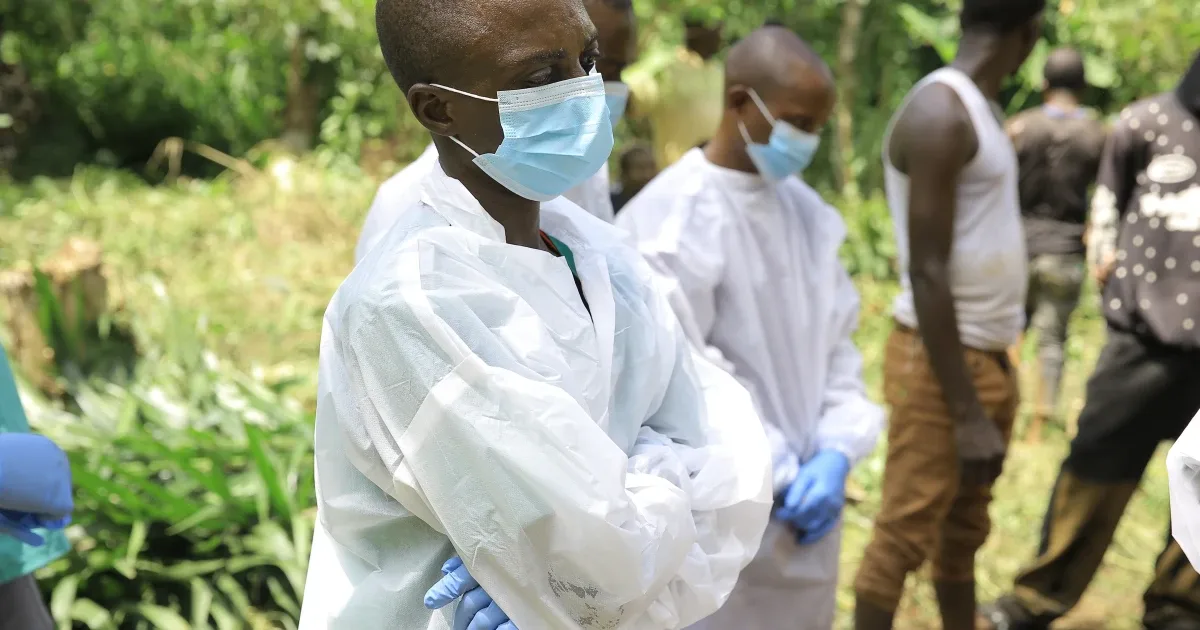
Over 12,000 confirmed Ebola cases reported in Congo.
The outbreak is the deadliest in Congo's history, with a high mortality rate.
Armed conflict hampers response efforts and leads to evacuations.
The Ebola outbreak in eastern Congo has reached a staggering 12,021 confirmed cases, as reported by the government on Thursday. This outbreak, which began in May, is characterized as the fastest-growing in history and has resulted in nearly half of those infected succumbing to the virus. The situation is exacerbated by ongoing clashes between rebel groups and the Congolese army, which are severely disrupting containment efforts.
According to the Ministry of Health, this outbreak is caused by the Bundibugyo virus, a rare strain for which there is currently no approved vaccine or treatment. The current mortality rate is alarming, positioning this outbreak as the deadliest among the 17 recorded in Congo. It is on track to surpass the death toll of the West African outbreak that claimed 11,000 lives between 2014 and 2016. The nature of Ebola transmission, which occurs through direct contact with bodily fluids of infected individuals, necessitates rapid identification and isolation of cases to prevent further spread.
The humanitarian crisis in eastern Congo is compounded by the presence of over 100 armed groups, including the Convention pour la révolution populaire (CRP), which has been involved in recent violent confrontations. These conflicts have not only displaced many residents but have also hindered the ability of health response teams to reach affected communities. Dr. Catherine Smallwood from the World Health Organization highlighted that recent fighting has left some treatment centers understaffed and disrupted vital monitoring processes for those exposed to the virus.
The situation escalated further on Thursday morning when fighting resumed in Iga-Barrière, a mining town located approximately 25 kilometers north of Bunia, the capital of Ituri province and a central hub for the Ebola response. The violence has led to a new influx of displaced individuals into Bunia, complicating the already challenging humanitarian landscape.
In light of the escalating violence, a dozen personnel, including two WHO officials and local health workers, were evacuated to Bunia after being trapped for three days in a hospital in Akwe due to intense crossfire. The ongoing conflict not only poses immediate risks to health workers but also undermines efforts to control the outbreak, raising concerns about the potential for further spread of the virus in the region.