COVID-19 Increases Risk of Allergic Conditions in Study
A recent study reveals a significant link between COVID-19 infection and the onset of six allergic conditions in various age groups.
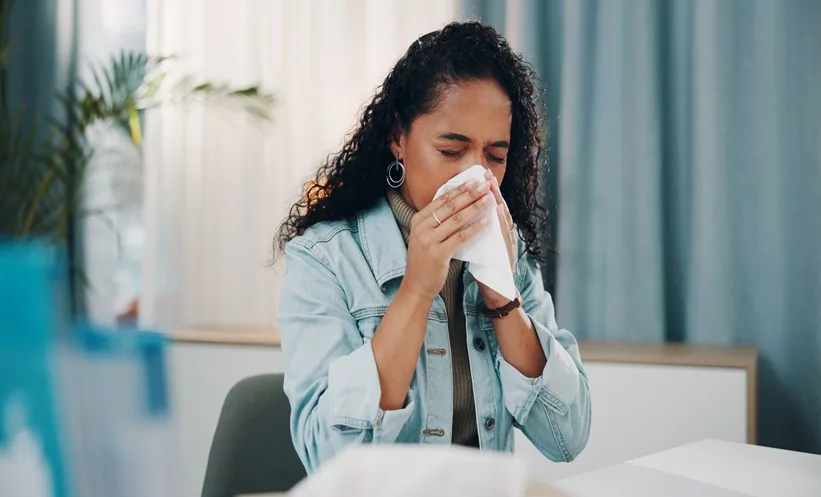
COVID-19 infection linked to six allergic conditions in children and adults.
Active-duty service members showed significant risks for asthma and rhinoconjunctivitis.
Socioeconomic factors may influence the risk of developing asthma post-infection.
A recent retrospective cohort study has found that COVID-19 infection is associated with a heightened risk of developing six allergic conditions among individuals aged 1 to 64. The research, which included both children and adults, underscores the potential burden of allergic diseases following COVID-19 infection, with varying patterns observed in different demographic groups.
The study utilized a 1:2 propensity score matching method to evaluate the relationship between COVID-19 exposure and the emergence of allergic conditions over an 18-month period. The allergic conditions assessed included atopic dermatitis, asthma, food allergies, rhinoconjunctivitis, medication allergies, and urticaria. Researchers focused on new diagnoses during the follow-up period to determine the incidence of these conditions.
Results indicated that COVID-19 infection was significantly associated with increased hazard ratios for all six allergic conditions across the entire cohort. Notably, among active-duty service members, significant associations were specifically found for asthma and rhinoconjunctivitis. In children, five out of the six allergic conditions were linked to COVID-19, with food allergies being the only exception. Additionally, a higher sponsor rank, which may reflect socioeconomic status, was correlated with a reduced risk of developing asthma.
These findings highlight the clinical implications of allergic disease risk following COVID-19 infection, emphasizing the need for public health monitoring. The authors of the study pointed out the importance of recognizing and addressing allergic conditions post-infection to facilitate timely interventions. They also proposed a potential mechanistic connection between COVID-19 and type two inflammation, although the observational nature of the study does not confirm causation.
Looking ahead, the study calls for further research to explore the long-term effects of COVID-19 on allergic conditions and to better understand the underlying mechanisms. Ongoing monitoring and research will be crucial in addressing the public health implications of these findings and ensuring effective management of allergic diseases in affected populations.