Columbia Study Reveals Microplastics Generate Harmful Radicals
New research indicates microplastics can create reactive molecules in water, challenging previous assumptions about their inertness.
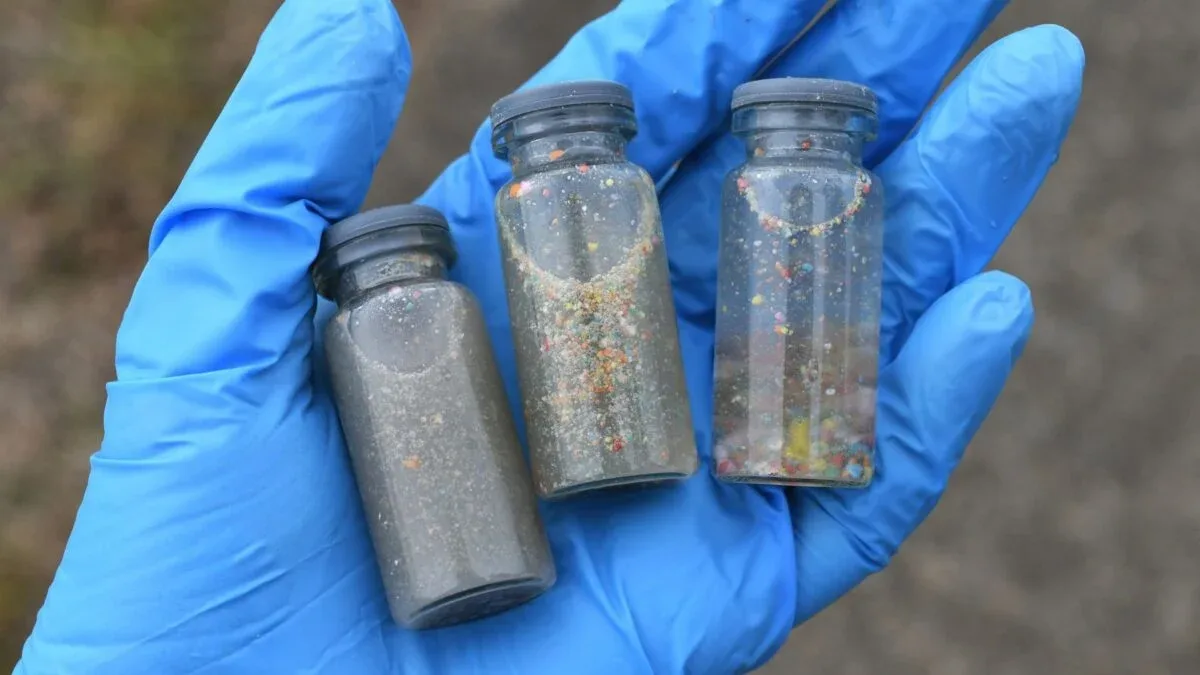
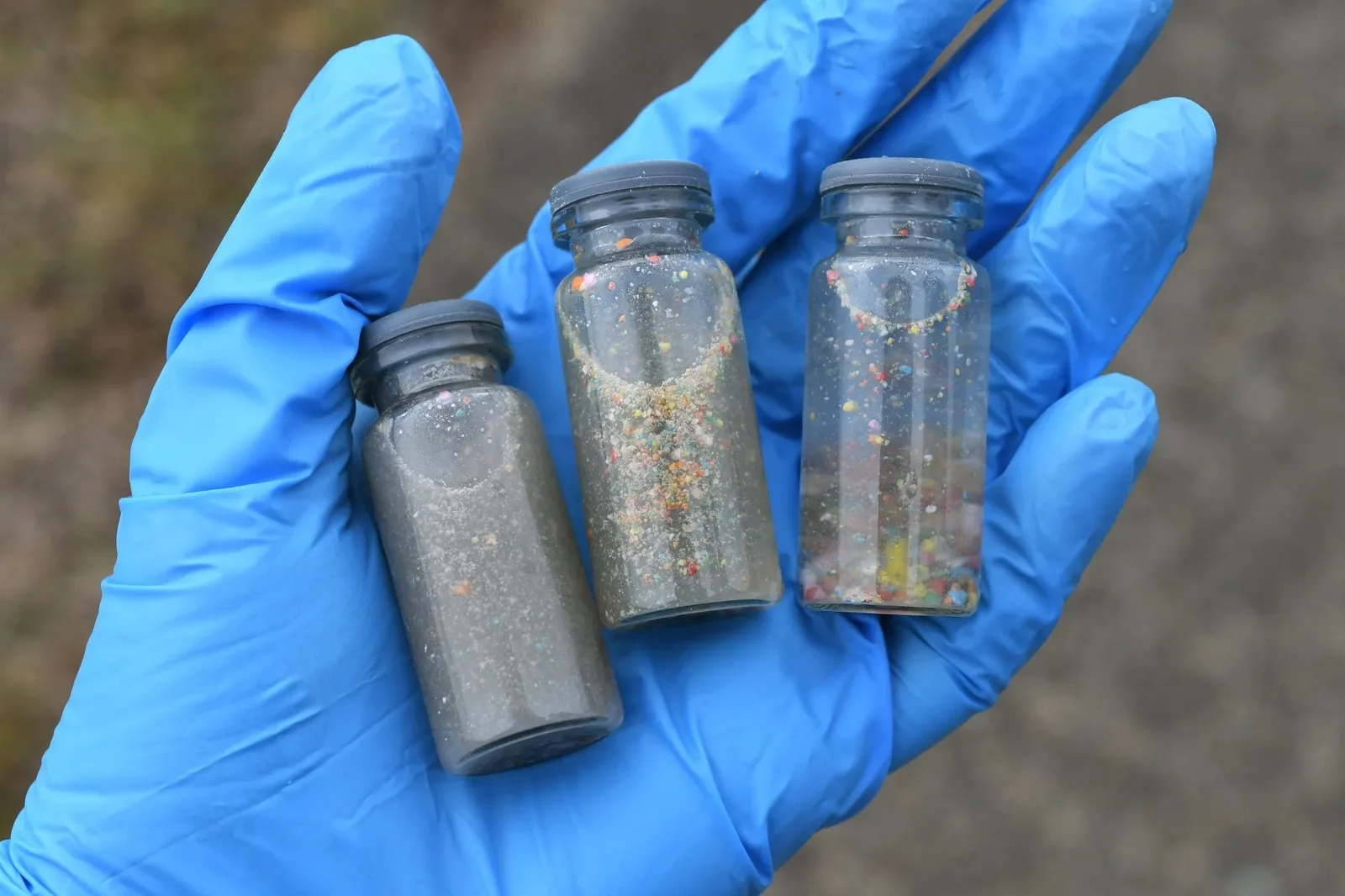
Microplastics can produce harmful free radicals when in contact with water.
The study suggests microplastics may pose significant health risks, contradicting the belief they are chemically inert.
Researchers hope findings will lead to safer plastic production methods.
A recent study from Columbia University has unveiled that microplastics, traditionally thought to be chemically inert, can generate harmful reactive molecules when exposed to water. This groundbreaking research suggests that microplastics may pose a more significant threat to human health than previously understood, as they can produce free radicals that may contribute to biological damage.
Microplastics, defined as plastic pieces smaller than 5 millimeters, have garnered increasing concern from scientists due to their potential dangers to both human health and the environment. Historically, plastics have been considered safe because they are believed to be chemically stable. However, the findings from this study challenge that notion, revealing that once plastics are fragmented into microplastics, they can interact with water to create unstable molecules.
The research team, led by chemistry and biomedical engineering professor Wei Min, conducted experiments demonstrating that as plastic breaks down into smaller particles, its surface area increases significantly. This change allows microplastics to alter the surrounding water, producing high-energy radicals that could lead to adverse health effects, including inflammation and immune dysfunction. The study was published in the journal Nature, highlighting the urgent need for further investigation into the health impacts of microplastics.
The implications of this research extend beyond individual health concerns; they raise questions about the broader environmental impact of microplastics. As these particles accumulate in ecosystems, their potential to generate harmful radicals may affect not only human health but also wildlife and marine environments. The study underscores the necessity for public awareness regarding microplastics and their pervasive presence in our daily lives, particularly in bottled water and other consumables.
Looking ahead, the researchers emphasize the need for continued exploration into the health risks associated with microplastics, including how exposure levels may vary among different populations. They are hopeful that these findings will inspire advancements in plastic manufacturing processes to mitigate the risks of generating harmful radicals, ultimately leading to safer materials and better health outcomes for both humans and the environment.