Climate Change Fuels Infectious Disease Threats: A Global Concern
Climate change is significantly influencing the dynamics of infectious diseases across the globe, with inadequate epidemiological data hampering effective responses. A recent report from the American Academy of Microbiology and the American Geophysical Union highlights that shifts in temperature, precipitation, and extreme weather patterns are altering the habitats of pathogens and their vectors. Italy has emerged as a notable hotspot, facing increased risks of mosquito-borne diseases due to these climatic changes.
Why This Matters: The implications of climate change on health are profound. Research indicates that 58% of infectious diseases have worsened due to climate factors, while only 16% have seen any mitigation. For instance, the 2025 Countdown report revealed a dramatic rise in dengue cases, with a staggering 7.6 million cases reported globally by early 2024. The risk of tick-borne diseases has also surged, endangering an additional 364 million individuals since 2015.
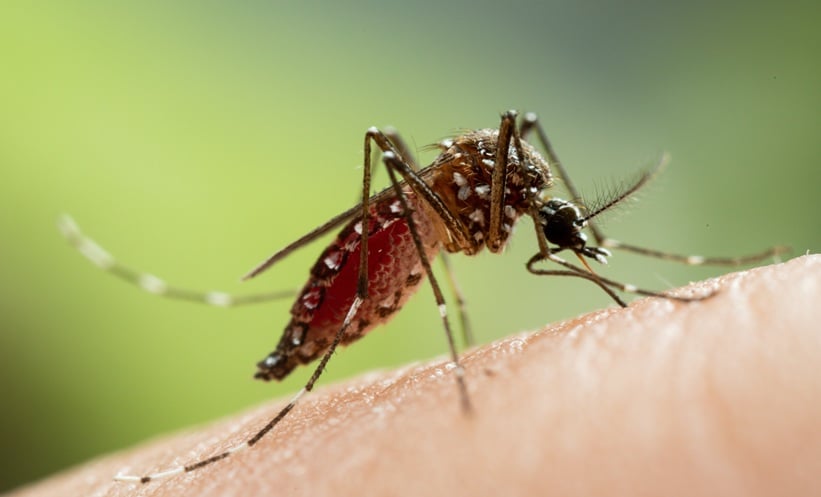
Italy's unique climate conditions have made it particularly vulnerable to these diseases. The European Centre for Disease Prevention and Control has identified the country as highly susceptible to tropical diseases transmitted by mosquitoes. The adaptation of the Asian tiger mosquito, Aedes albopictus, to Italy's climate has led to the emergence of viruses like West Nile and dengue, diseases that were virtually unknown in the region two decades ago. As temperatures rise, the breeding patterns of these vectors are changing, creating new public health challenges.
Despite the evident risks, there is a critical lack of integrated data necessary for predicting and managing climate-related health threats. The American Academy of Microbiology emphasizes the urgent need for enhanced surveillance and diagnostic capabilities to address these emerging infectious diseases effectively. Collaborative efforts and investments in research infrastructure are essential to build a robust response to the intertwined challenges of climate change and public health.