CDC Confirms No Booster Needed for Most Vaccinated Adults
As the U.S. loses its measles elimination status, experts clarify vaccination guidelines for adults and children.
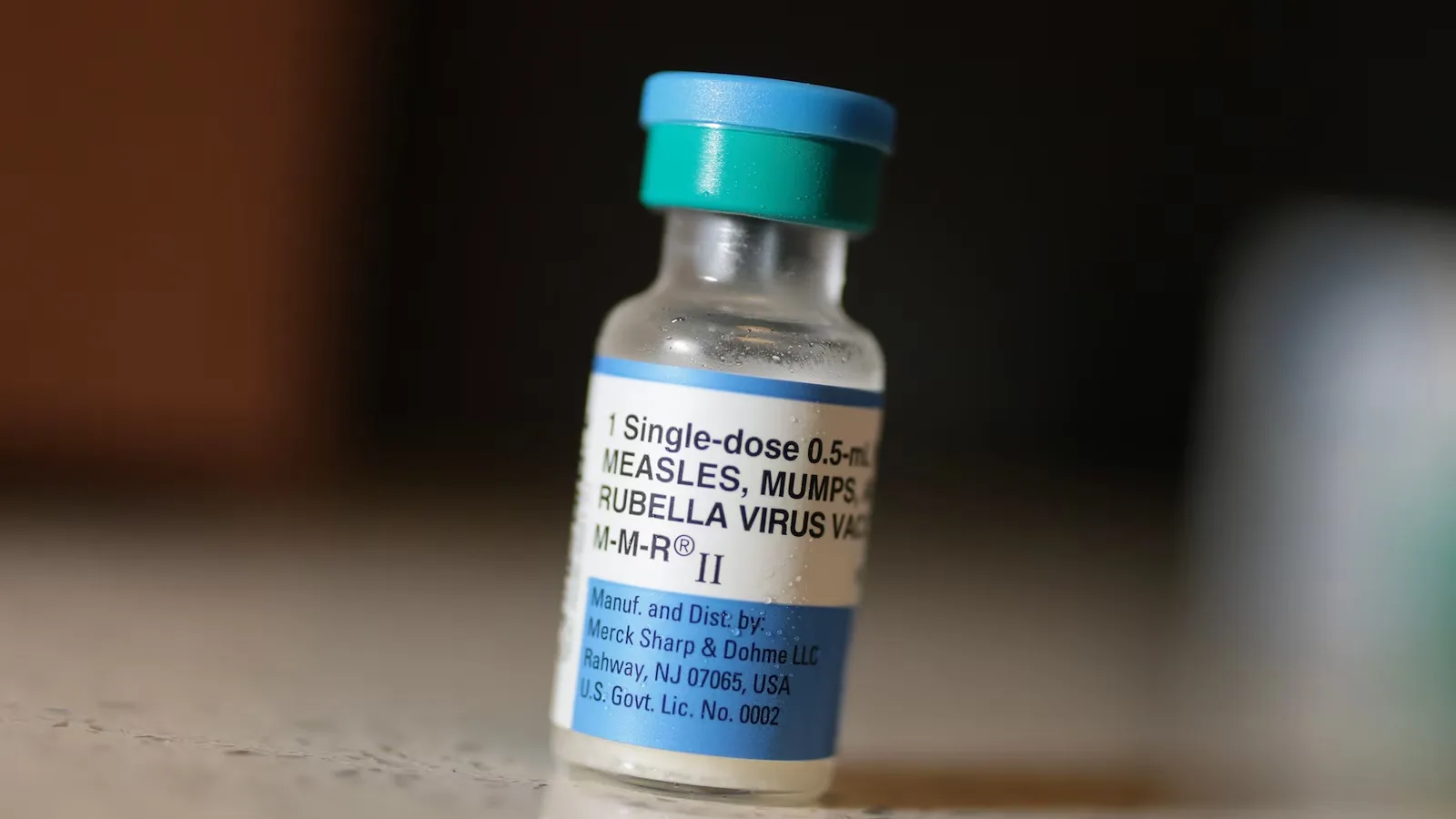
CDC recommends two doses of the MMR vaccine for measles protection.
Adults vaccinated after 1989 typically do not need a booster.
Infants in outbreak areas may require an additional vaccine dose.
The Centers for Disease Control and Prevention (CDC) has reaffirmed its vaccination guidelines following the recent loss of the United States' measles elimination status. As cases of measles continue to rise, many vaccinated individuals are questioning whether they should receive a booster dose of the measles, mumps, and rubella (MMR) vaccine for enhanced protection.
According to the CDC, the standard vaccination schedule includes two doses of the MMR vaccine, with the first dose administered between 12 to 15 months of age and the second between 4 to 6 years. The effectiveness of the vaccine is significant, with one dose providing a 93% protection rate against measles and two doses increasing that to 97%. The recommendation for the second dose was established in 1989, and it has played a crucial role in controlling the disease.
Dr. Tara Narula, ABC News' chief medical correspondent, emphasized that individuals unsure of their vaccination status should consider receiving an MMR dose. For adults who received both doses after 1989, a booster is generally unnecessary. However, those vaccinated before 1989, while not recommended for a booster, may want to consult their healthcare provider regarding their immunity status. Dr. Paul Offit, a prominent vaccine expert, noted that a single dose still offers substantial protection for those vaccinated before the 1989 guidelines.
The CDC's guidance remains unchanged despite the recent developments, indicating that adults who have completed the two-dose regimen do not require additional boosters. However, adults lacking measles immunity are at increased risk, and the CDC advises them to seek vaccination. For children, particularly infants aged 6 to 11 months, an additional vaccine dose may be warranted if they are in outbreak areas or traveling abroad, potentially totaling three doses by age six.
Looking ahead, public health officials stress the importance of maintaining high vaccination rates to prevent further outbreaks. Parents are encouraged to discuss their children's vaccination needs with pediatricians, especially in light of the current measles resurgence. The CDC continues to monitor the situation closely, ensuring that guidelines adapt as necessary to protect public health.