Bundibugyo Virus Disease Cases Exceed 11,600 as Global Emergency Continues
The World Health Organization has extended the global emergency status for Bundibugyo virus disease as confirmed cases rise significantly.
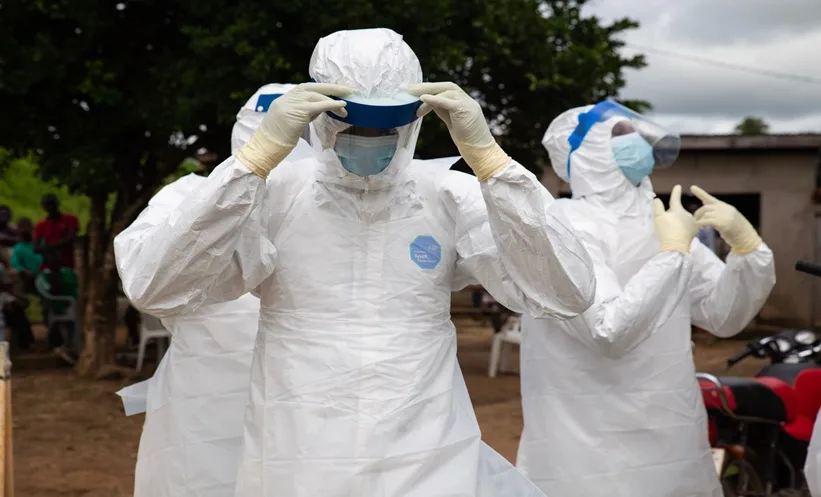
Confirmed cases of Bundibugyo virus disease have surpassed 11,600 with a fatality rate of 48.9%.
No approved vaccines or antiviral treatments exist, making supportive care crucial.
Regional containment efforts show promise, with some areas reporting no new infections.
The World Health Organization (WHO) has confirmed that the ongoing outbreak of Bundibugyo virus disease has led to over 11,600 confirmed cases, prompting an extension of the global health emergency status. This decision, made on November 18, 2026, follows a sustained transmission of the virus primarily in the Democratic Republic of the Congo (DRC), where the outbreak began in May 2026. The WHO Director-General, alongside the International Health Regulations Emergency Committee, emphasized that the situation continues to pose a significant public health threat.
As of November 17, 2026, surveillance data indicates a total of 11,613 confirmed cases, with 5,678 deaths and 3,148 recoveries reported across 68 health zones in eight provinces of the DRC. The epidemic has shown alarming trends, with 945 new cases and 480 deaths recorded between November 6 and November 17 alone. The crude case fatality ratio stands at 48.9%, highlighting the severe impact of the virus, particularly in communities where timely medical intervention is lacking.
Currently, there are no approved vaccines or antiviral therapies for Bundibugyo virus disease, which necessitates reliance on aggressive supportive care and community engagement to manage the outbreak. While the DRC remains the epicenter of the epidemic, some regions have reported success in containment efforts. Bas-Uélé, Sud-Kivu, and Sud-Ubangi have not seen new infections during the latest reporting period, with Sud-Kivu and Sud-Ubangi achieving over 42 days without new cases. Additionally, both Kenya and Nigeria are nearing the end of their local outbreaks, having completed 21-day monitoring of all identified contacts without secondary transmission.
Despite these positive developments, health officials caution that the potential for the virus to spread beyond its current borders remains. While travel and trade restrictions are not recommended, there is a strong emphasis on maintaining heightened diagnostic vigilance and laboratory readiness. U.S. healthcare providers are advised to promptly isolate febrile patients with recent travel histories and coordinate with public health laboratories to prevent further spread of the virus.
Looking ahead, the focus will remain on strengthening surveillance and cross-border preparedness to mitigate the risk of further outbreaks. Continued monitoring and community engagement will be essential in managing the current situation and preventing new cases as health authorities work to contain the Bundibugyo virus disease.