Blood Tests: Limited Role in Cancer Detection Revealed
New insights show that while blood tests can indicate some cancers, they are not definitive for most types.
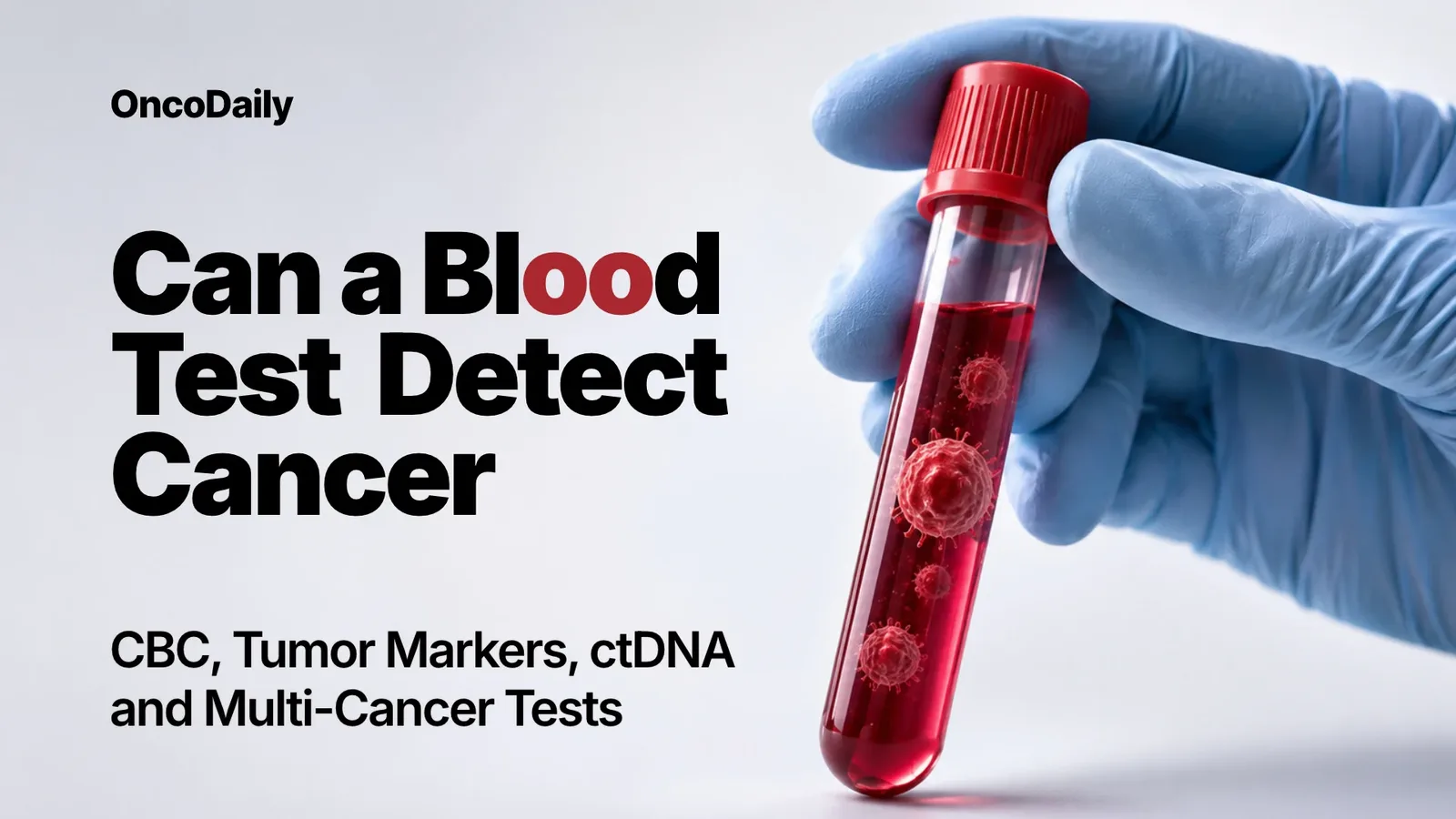
Blood tests can help identify blood cancers but are less effective for solid tumors.
Tumor markers and liquid biopsies assist in monitoring but are not standalone screening methods.
Routine blood tests cannot replace established cancer screening protocols.
Recent findings indicate that blood tests can provide valuable insights into certain cancers, particularly hematologic malignancies like leukemia. However, their effectiveness diminishes significantly when it comes to diagnosing solid tumors, which often require more invasive procedures for accurate detection.
Blood tests, such as a complete blood count (CBC), can reveal abnormalities that may suggest the presence of blood cancers. For instance, elevated white blood cell counts or signs of anemia can be indicative of conditions like leukemia. Nonetheless, many solid tumors, including breast and lung cancers, do not typically cause detectable changes in routine blood work, especially in their early stages.
Specialized tests, including tumor markers like PSA and CA-125, are utilized to support cancer evaluation. While these markers can indicate the presence of certain cancers, they are not reliable for standalone screening. Liquid biopsies, which analyze circulating tumor DNA (ctDNA), are gaining traction for their potential in monitoring treatment responses and detecting recurrences, yet they cannot replace traditional screening methods.
The implications of these findings are significant for public health, emphasizing the need for comprehensive cancer screening strategies that go beyond blood tests. Established methods such as mammography and colonoscopy remain crucial for early detection of various cancers, ensuring that individuals receive appropriate evaluations based on their risk factors.
Looking ahead, ongoing research aims to refine blood testing methodologies and develop more effective multi-cancer early detection tests. These advancements could enhance the ability to identify cancer at earlier stages, but for now, reliance on blood tests alone is insufficient for definitive cancer diagnosis.