Antimicrobial Resistance: The Urgent Need for New Antibiotics
As bacteria evolve resistance, the race to develop new antibiotics intensifies, highlighting significant challenges in innovation and healthcare.
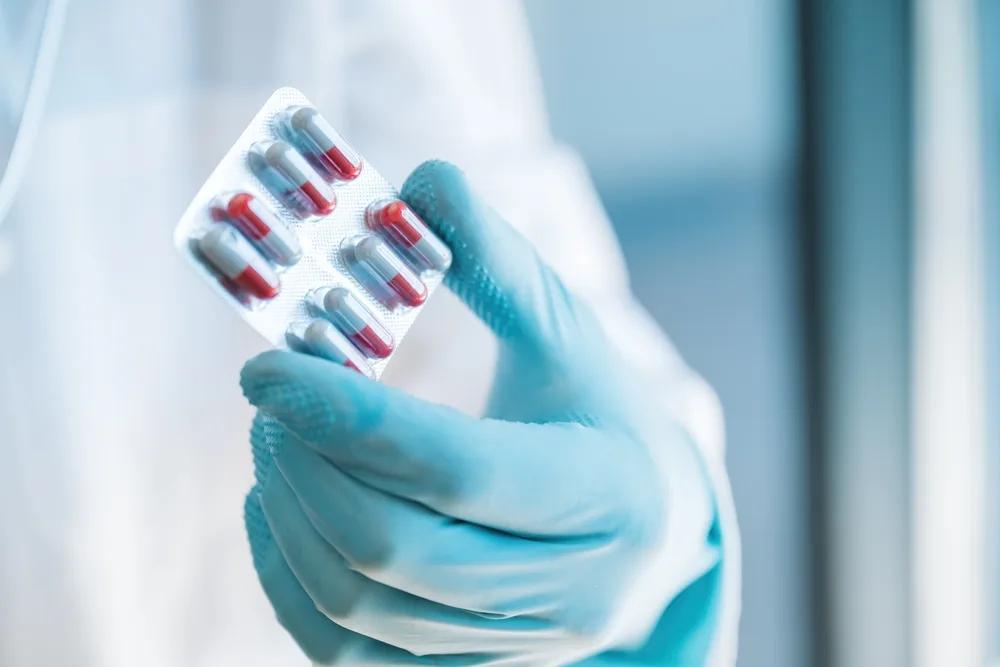
Antimicrobial resistance (AMR) threatens the effectiveness of existing antibiotics, complicating treatment options.
The World Health Organization identifies critical-priority pathogens requiring urgent research and development.
Innovative funding models are being explored to support antibiotic development amidst commercial challenges.
The escalating threat of antimicrobial resistance (AMR) poses a significant challenge to modern medicine, as bacteria increasingly evolve to resist existing antibiotics. This development jeopardizes the effectiveness of treatments for serious infections, complicating procedures such as surgeries and cancer therapies that rely on reliable antibiotic efficacy. As bacteria adapt, the medical community faces a pressing need to innovate and develop new antibiotics that can effectively combat these resistant strains.
Historically, antibiotics have revolutionized healthcare by transforming once-deadly infections into manageable conditions. However, the emergence of AMR has rendered many of these treatments less effective, with the World Health Organization (WHO) highlighting the urgent need for new solutions. The WHO's 2024 Bacterial Priority Pathogens List identifies several critical pathogens, including carbapenem-resistant Acinetobacter baumannii and resistant strains of Escherichia coli, which require immediate attention from researchers and pharmaceutical developers.
Despite the recognition of AMR as a significant public health threat, the pipeline for new antibiotic development remains alarmingly limited. The WHO reported a decline in the number of antibacterial candidates from 97 in 2023 to 90 in 2025, with only a fraction classified as innovative. This stagnation underscores the challenges researchers face in developing new treatments that not only combat resistance but also offer novel mechanisms of action.
The implications of AMR extend beyond individual infections, threatening the stability of routine healthcare. Resistant bacteria can complicate recovery from surgeries and other medical procedures, leading to increased healthcare costs and adverse patient outcomes. As the medical community grapples with these challenges, innovative approaches, such as artificial intelligence in drug discovery and bacteriophage therapy, are being explored to enhance treatment options and combat resistance effectively.
Looking ahead, the future of antibiotic development may hinge on new funding models that incentivize innovation without compromising public health. Initiatives like subscription payment models are being tested to ensure that developers are rewarded for creating valuable antibiotics, irrespective of the volume sold. Policymakers and healthcare systems must collaborate to establish sustainable solutions that address the urgent need for new antibiotics while managing the economic realities of drug development.