Ancient Smallpox DNA Found in Chilean Mummies
Researchers recover fragments of smallpox virus DNA from mummified remains, shedding light on the disease's historical spread.
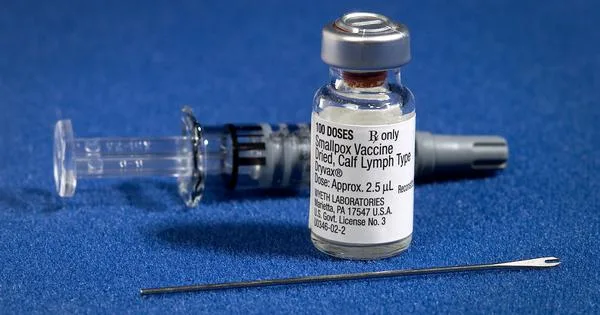
Fragments of variola virus DNA were found in mummies dating from 1492 to 1631 in Chile.
The study provides molecular evidence linking smallpox to European colonization in the Americas.
No viable smallpox virus was recovered, and the ancient DNA cannot cause disease.
In a groundbreaking discovery, researchers have identified fragments of the variola virus, responsible for smallpox, from the mummified remains of two Indigenous individuals in northern Chile. These remains, dating from approximately 1492 to 1631, represent the first ancient smallpox genomes found in the Americas, providing crucial insights into the historical context of the disease's introduction to the continent.
Smallpox has a long and devastating history, with its first documented outbreak in the Americas occurring in 1518. The disease, particularly its severe form known as variola major, was responsible for high mortality rates, killing about 30% of those infected. The World Health Organization (WHO) declared smallpox eradicated in 1980 following a successful global vaccination campaign that began in 1967. The recent findings in Chile add molecular evidence to historical records suggesting that smallpox was introduced to the Americas through European colonization, contributing to the catastrophic decline of Indigenous populations.
The researchers' work involved sequencing damaged genetic fragments of the variola virus, which were preserved in the mummies. While they successfully reconstructed two genomes computationally, no intact virus particles were recovered. This means that although the fragments confirm the presence of smallpox in these individuals, they cannot spontaneously cause the disease. The study highlights the challenges of working with ancient DNA, which often degrades over time and requires advanced techniques for analysis.
The implications of this research extend beyond historical interest. Understanding how smallpox evolved and spread can inform current public health strategies and highlight the impact of infectious diseases on populations with limited immunity. The findings also raise questions about the genetic changes that allowed variola to specialize in infecting humans, as well as the potential for future research into the virus's evolutionary history.
Looking ahead, researchers will continue to analyze the genetic data to better understand the relationship between ancient and modern strains of smallpox. While the study does not suggest a pathway for the return of smallpox, it emphasizes the importance of studying historical pathogens to comprehend their impact on human health and the environment. The research underscores the need for vigilance in monitoring and managing infectious diseases, particularly in light of global travel and potential bioterrorism threats.