Anand Kautu's Blood Test Method for Cancer Detection Advances
Researcher Anand Kautu's innovative liquid biopsy technique aims to revolutionize cancer diagnosis through a simple blood test.
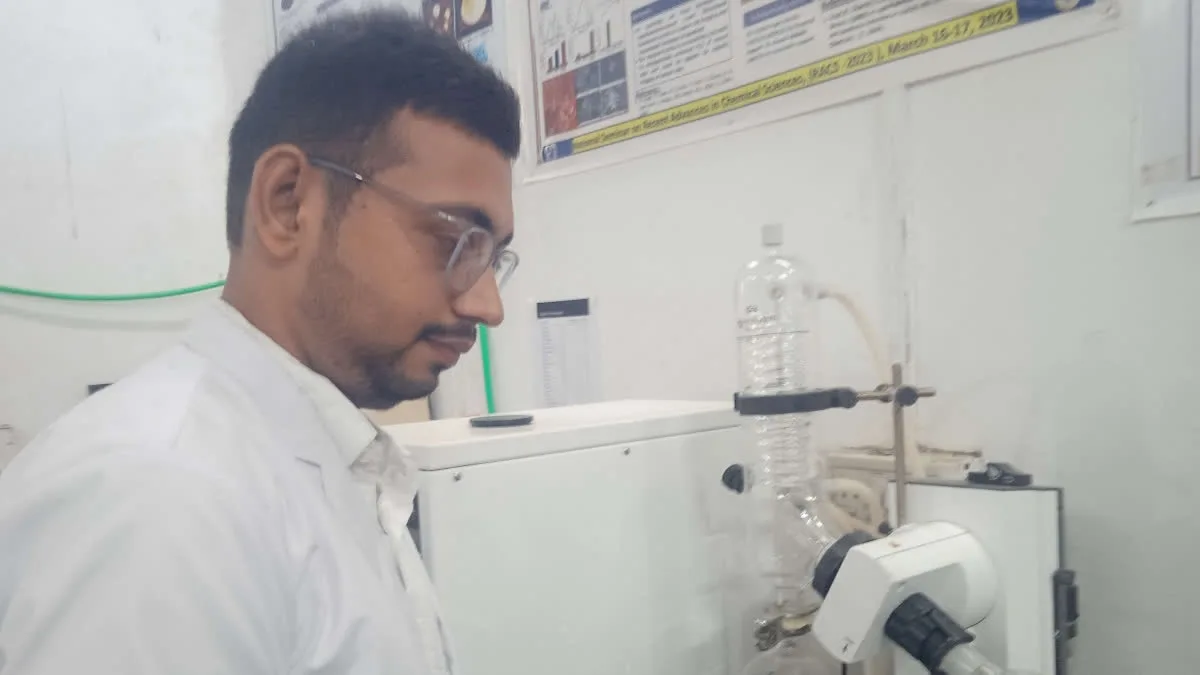
Anand Kautu has developed a liquid biopsy method for cancer detection.
The research is supported by a prestigious Post-Doctoral Fellowship from Sun Pharma Science Foundation.
Current cancer diagnosis methods are invasive and costly, highlighting the need for less invasive alternatives.
Anand Kautu, a researcher from Dr. Harisingh Gour University in Sagar, Madhya Pradesh, is pioneering a groundbreaking method for cancer diagnosis that relies solely on blood tests. His innovative approach, based on liquid biopsy technology, has garnered attention and funding through a Post-Doctoral Research Fellowship from the Sun Pharma Science Foundation. Kautu will further his research at the Indian Institute of Science Education and Research (IISER) in Pune under the guidance of Prof. S.G. Srivatsan.
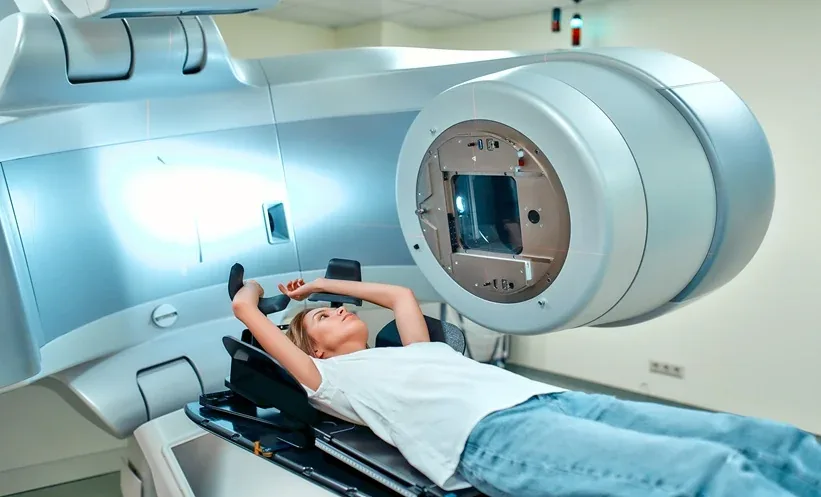
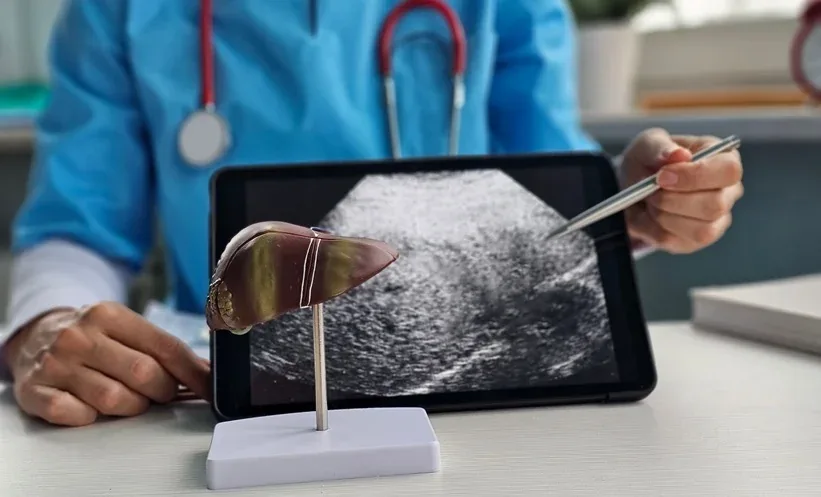
Traditionally, cancer diagnosis involves solid biopsies, which require the surgical removal of tumors, a process that can be both painful and expensive. This method often detects cancer at advanced stages, underscoring the urgent need for more accessible and less invasive diagnostic options. Kautu's research aims to develop an aptamer-based system that can identify cancer-related signals in blood samples, potentially transforming how cancer is diagnosed and monitored.
Kautu's work builds on his doctoral research, where he focused on creating small peptide-based nanostructures for detecting toxic heavy metals. His findings have been published in several prestigious scientific journals, showcasing his expertise in chemistry and nanotechnology. He emphasized that liquid biopsy could provide a significantly less invasive alternative to traditional tissue biopsies, making early cancer detection more feasible for patients.
The implications of Kautu's research extend beyond individual diagnosis. If successful, this technology could lead to advancements in cancer detection methodologies, ultimately improving patient outcomes. The use of aptamers—short sequences of DNA or RNA that can bind to specific biological targets—could enhance the sensitivity and reliability of cancer diagnostics, making it a valuable tool in clinical settings.
Looking ahead, Kautu's fellowship will span three years, during which he will receive a monthly stipend and funding for research-related expenses. His success serves as an inspiration for aspiring scientists, particularly those from smaller towns, demonstrating that with dedication and the right support, significant contributions to science are achievable. The rigorous selection process for the fellowship highlights the competitive nature of scientific research in India, where only the most promising researchers are recognized and supported.