Air Pollution: A Growing Public Health Crisis in India
Health experts warn that air pollution is increasingly impacting public health, particularly among vulnerable populations.
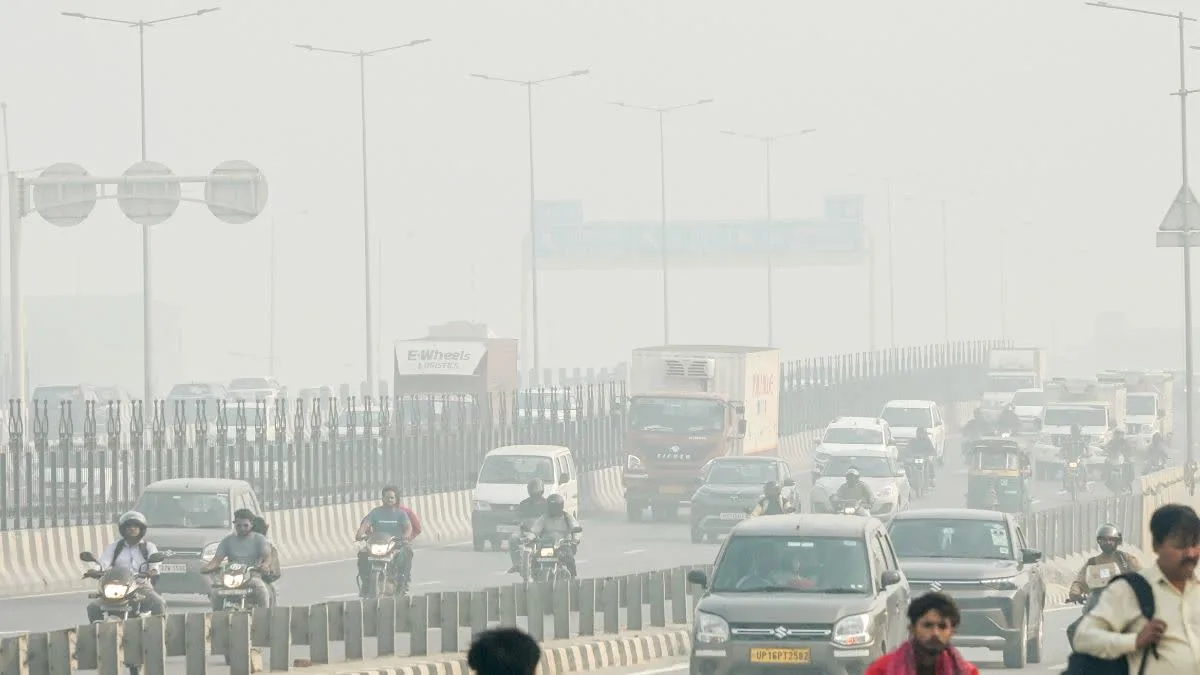
3.8 million deaths in India from air pollution between 2009-2019, according to a study.
Children, young adults, and seniors face heightened health risks due to prolonged exposure to pollutants.
Health Ministry urges states to enhance tracking and management of pollution-related illnesses.
As air pollution levels in Delhi-NCR remain alarmingly high, health professionals are raising concerns about the severe long-term effects of smog exposure. The risks extend beyond immediate symptoms like coughing and throat irritation, affecting various demographics including children, young adults, and the elderly. Experts emphasize that the toxic air can lead to significant respiratory and cardiovascular issues, particularly for those with pre-existing health conditions.
The issue of air pollution has been exacerbated over the years, with a study published in 'The Lancet Planetary Health' estimating that approximately 3.8 million deaths in India were linked to air pollution from 2009 to 2019. In response, the Union Health Ministry has directed states and Union Territories to enhance surveillance of pollution-related health problems. A comprehensive framework has been proposed to ensure early diagnosis and management of affected individuals, highlighting the urgent need for action.
Dr. Dubyala Srinath, a prominent physician, noted that fine particulate matter like PM2.5 can lead to chronic inflammation and increase the risk of serious health complications, including heart attacks and strokes, particularly among vulnerable populations such as the elderly and those with chronic diseases. He emphasized that the damage caused by air pollution often occurs silently over time, underscoring the importance of monitoring health indicators during high pollution periods.
Children are particularly at risk, as their lungs and immune systems are still developing. Pediatricians warn that exposure to polluted air can stunt lung growth and lead to long-term respiratory issues. Young adults, despite appearing healthier, are also susceptible to the harmful effects of air pollution, which can exacerbate existing respiratory conditions and lead to decreased lung function over time. Experts stress the need for awareness and preventive measures among these groups to mitigate health risks.
Looking ahead, public health experts like Dr. Tamorish Kole advocate for a shift towards a more proactive health response that includes real-time monitoring of air quality and its health impacts. This approach should encompass emergency visits for respiratory issues and integrate data on pollution levels with health outcomes. Enhanced support for vulnerable populations, including children and the elderly, is essential to combat the growing public health crisis posed by air pollution in India.