AI Tool Predicts Cancer Survival from Patient Selfies
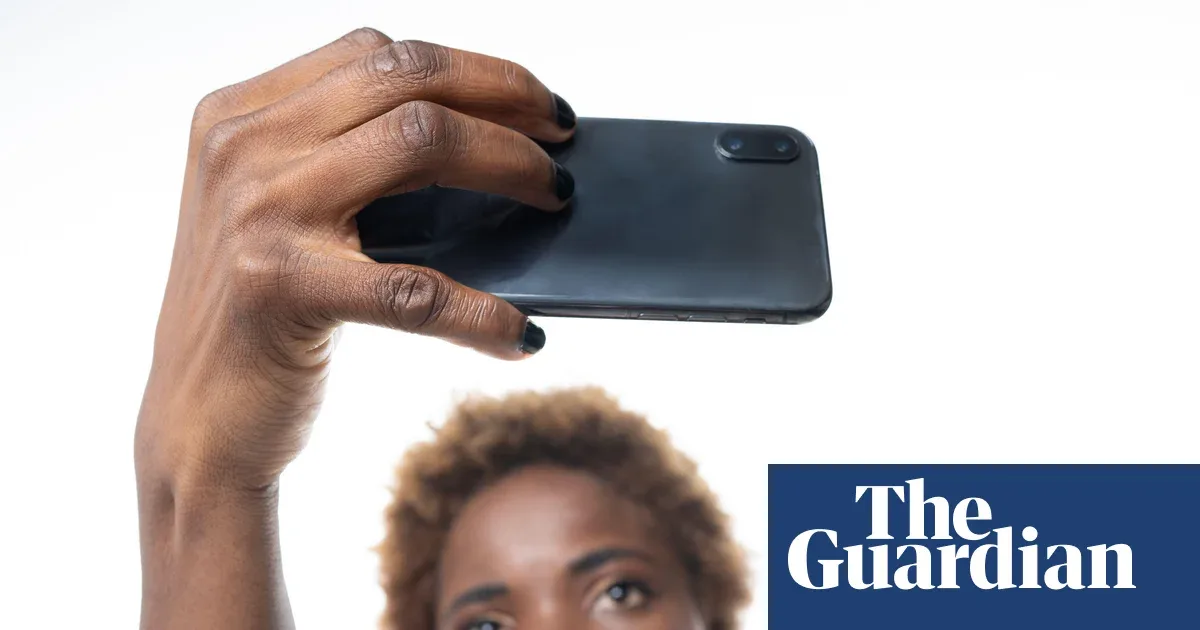
A new AI system can estimate cancer survival chances using just a patient's facial photograph, according to a study.
The AI tool was developed by Mass General Brigham and trained on over 40 million facial images.
It can predict biological age and survival outcomes for cancer patients based on facial features.
The findings suggest a strong link between biological age estimates and physical health, aiding treatment decisions.
Researchers at Mass General Brigham have unveiled an innovative artificial intelligence tool capable of predicting cancer survival rates from a single photograph of a patient's face. This groundbreaking system, detailed in the Lancet Digital Health journal, utilizes advanced algorithms to assess biological age and forecast survival outcomes for individuals diagnosed with cancer.
The AI model was meticulously trained on a dataset comprising over 40 million facial images, representing diverse ethnicities and age groups. It employs two distinct algorithms: FAHR-FaceAge, which estimates biological age and predicts cancer survival, and FAHR-FaceSurvival, which directly assesses survival chances from facial photographs. Each algorithm focuses on different facial features, with FAHR-FaceAge analyzing creases around the mouth and forehead, while FAHR-FaceSurvival examines areas below the eyes and around the nasal bridge.
In practical applications, the study found that cancer patients who appeared five or more years older than their actual age had a 21% increased risk of mortality during a four-year follow-up period. Conversely, those who looked younger than their chronological age had a 17% lower risk. This correlation underscores the potential of the AI tool to provide critical insights into patient health and survival probabilities.
The implications of this research extend beyond individual patient assessments. As the population ages, there is a pressing need for healthcare professionals to evaluate physical reserves and frailty more effectively before recommending intensive treatments such as surgery or radiation. Dr. Raymond Mak, a radiation oncologist involved in the study, emphasized the importance of making health assessments based on facial photographs more quantitative and scalable to enhance personalized treatment strategies.
While the findings are promising, researchers caution that further studies are necessary to validate the tool's efficacy and safety for widespread clinical use. The potential for AI-driven facial analysis to assist in treatment decisions marks a significant advancement in oncology, offering a new avenue for improving patient care and outcomes.