AI Revolutionizes Heart Disease Detection in ECGs
Researchers at Imperial College London unveil an AI model that identifies heart disease indicators in ECGs in under two seconds, with NHS testing on the horizon.
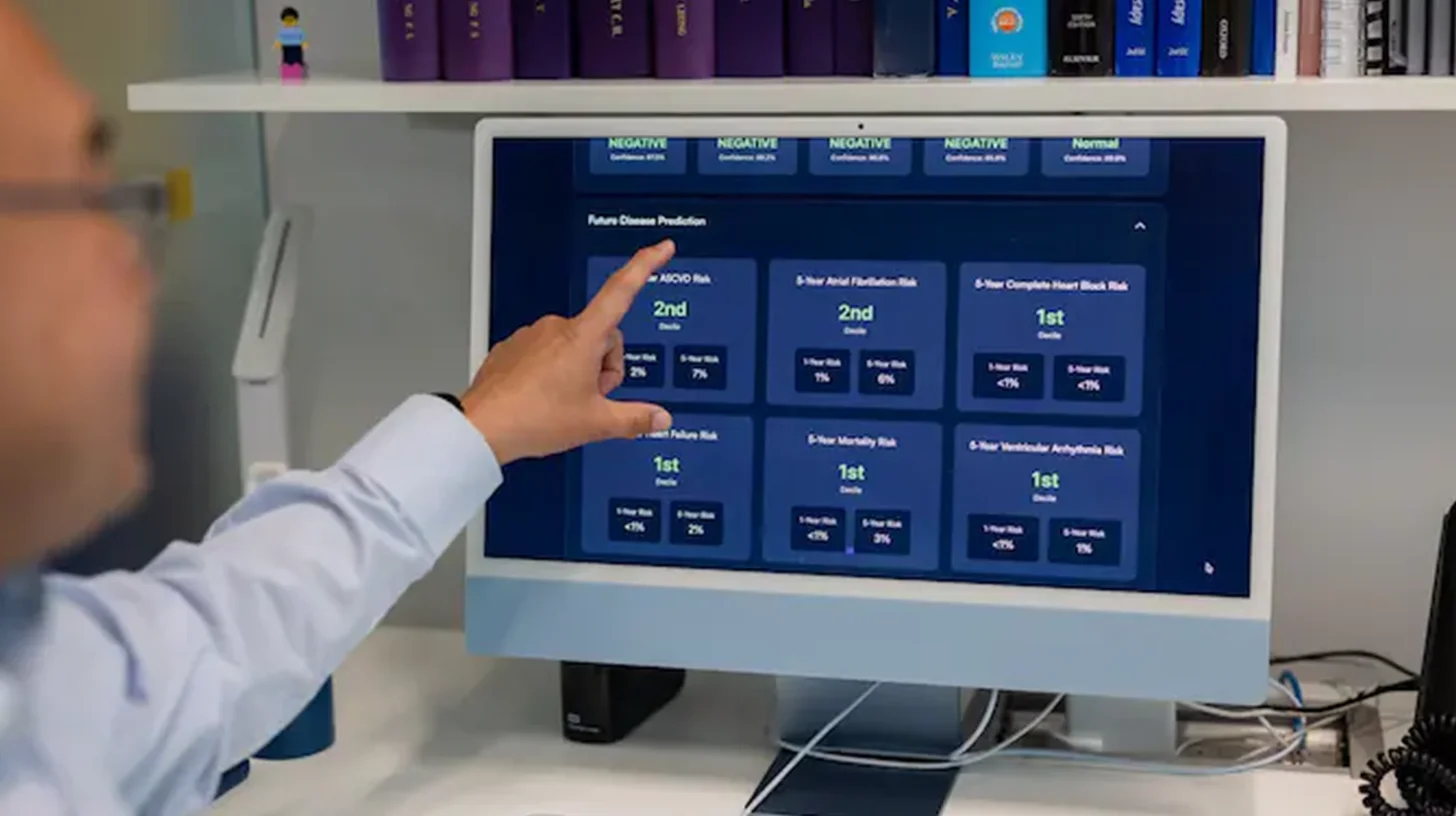
AI can flag heart disease signs in routine ECGs rapidly.
Detection rates for heart conditions are reported at up to 90%.
NHS testing is underway, with potential clinical use in two years.
Researchers from Imperial College London have developed an innovative AI model capable of analyzing routine electrocardiograms (ECGs) in less than two seconds. This advanced technology aims to identify critical indicators of heart disease, including reduced heart pumping function and aortic valve disease, potentially transforming how clinicians assess patient health. The model's rapid analysis could streamline the process of flagging patients who require further investigation, thereby enhancing early detection and treatment options.
The British Heart Foundation (BHF) provided insights into the research, which utilized a substantial dataset of 10.6 million ECGs along with corresponding clinical reports. The study involved two patient cohorts, comprising 5,442 and 61,520 individuals, respectively. The findings revealed that the AI model achieved detection rates of 77% and 81% for reduced pumping function and 90% and 80% for aortic stenosis across the cohorts. These promising results highlight the model's potential, although BHF emphasized that it is not designed to independently confirm or rule out disease.
Currently, testing of the AI tool is being conducted on 590 NHS patients in London and Bristol, with the goal of integrating this technology into routine clinical practice within approximately two years. However, the timeline remains tentative, pending further research and regulatory approvals. The immediate benefit of this AI model lies in its ability to enhance existing ECG tests, providing clinicians with additional insights that could lead to timely interventions for patients at risk.
The implications of this technology extend beyond individual patient care; approximately one billion ECGs are performed globally each year. By incorporating AI screening into these tests, healthcare providers could identify underlying issues that may not be immediately apparent, potentially improving patient outcomes. The ability to flag concerns quickly could facilitate referrals for further examinations, such as echocardiograms, thereby expediting necessary treatments.
Looking ahead, the success of this AI model will depend on its integration into clinical workflows and the effectiveness of follow-up procedures after alerts are generated. Future studies will need to assess whether the AI's alerts lead to timely confirmatory testing and improved treatment outcomes for patients. As the healthcare industry continues to explore AI applications, this model represents a significant step toward enhancing diagnostic capabilities in cardiology.