AI Models Use Facial Photos to Predict Cancer Survival Rates
New research reveals that AI can estimate cancer patients' survival chances using just a facial image.
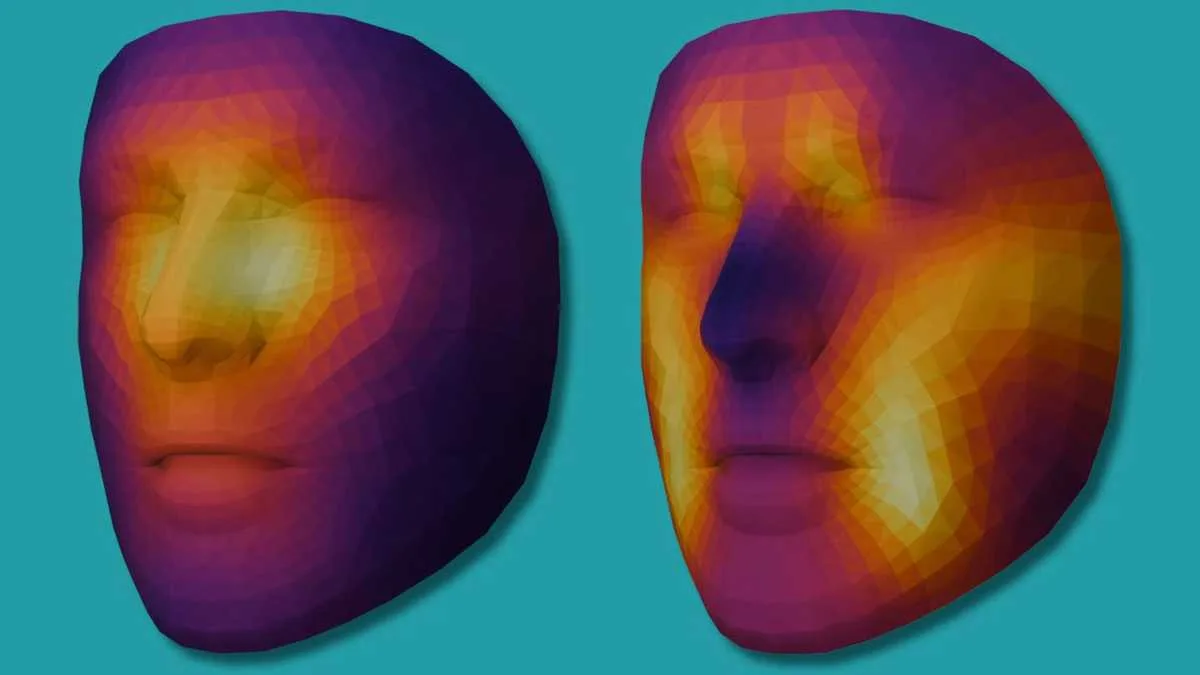
AI models trained on over 40 million images can assess biological age and mortality risk from facial photos.
The study found a significant correlation between facial features and survival rates among cancer patients.
Researchers emphasize that this technology is a supplementary tool, not a replacement for medical professionals.
A groundbreaking study from Mass General Brigham in Boston has unveiled that artificial intelligence can predict cancer survival rates using only a single photograph of a patient's face. Published in The Lancet Digital Health, this research suggests that facial analysis could serve as a valuable tool for doctors assessing cancer patients' prognosis and treatment options.
The AI models developed by the researchers analyze various facial features to determine a patient's biological age and risk of mortality. Unlike chronological age, which counts the years lived, biological age reflects the body's aging at the cellular level. The study's lead author, Dr. Raymond Mak, noted that the algorithms focus on specific facial areas, such as the forehead and under the eyes, to derive these assessments.
In their analysis, the researchers evaluated 122 cancer patients identified as high-risk by the AI model, revealing that over half (52.5%) died within 90 days, while only 2% of those in the low-risk category faced similar outcomes. Furthermore, they found that 21% of patients whose biological age exceeded their chronological age by over 20 years died within the same timeframe, compared to just 6% of those with a younger biological age.
The implications of this research extend beyond individual patient assessments. The ability to predict survival rates through facial analysis could revolutionize how healthcare providers approach cancer treatment, potentially allowing for earlier interventions for patients at higher risk. However, Dr. Mak stresses that these AI models are not meant to replace clinical evaluations but to enhance them.
Looking ahead, further studies are necessary to explore the applicability of these findings to broader populations, including healthy individuals interested in longevity. While the initial results are promising, experts like Dr. Wilbur Lam caution that clinical validation is essential before implementing this technology in medical practice. The study highlights a significant statistical link between facial appearance and cancer survival, but the true clinical utility remains to be established.