AI Integration Key to Advancing Alzheimer's Research, Experts Say
Experts emphasize the urgent need for AI and innovative research to address the growing Alzheimer's crisis during a recent symposium in Beijing.
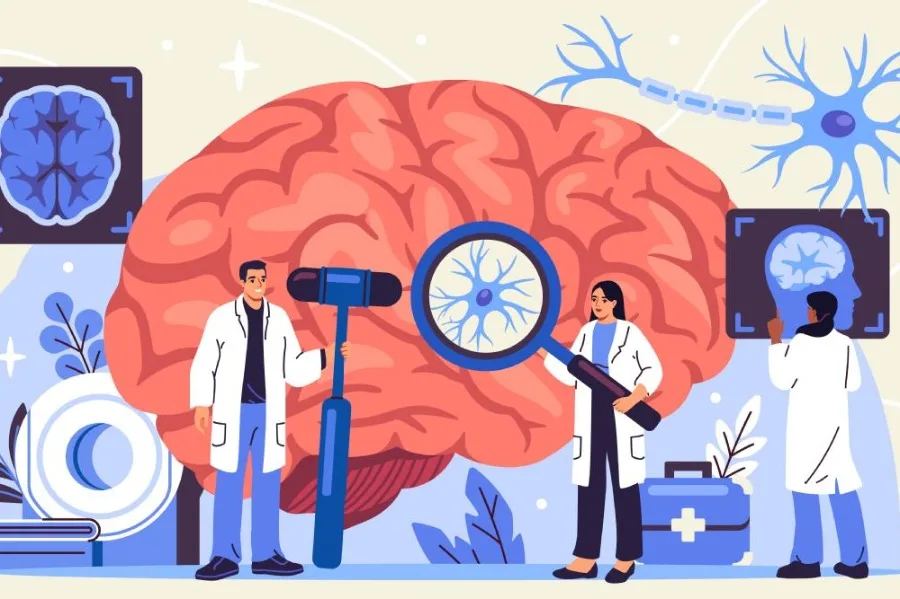
Alzheimer's affects nearly 17 million people in China, projected to exceed 40 million by 2050.
Experts advocate for integrating AI into research to enhance understanding and treatment of the disease.
International collaboration is deemed essential in the fight against Alzheimer's.
During an international symposium held in Beijing, experts highlighted the critical need to enhance research and integrate artificial intelligence (AI) to combat Alzheimer's disease. The event, titled "Alzheimer's Disease 120 Years," brought together leading scientists and officials to discuss innovative strategies to address this pressing health issue.
Alzheimer's disease has been a significant public health challenge since it was first identified over a century ago. With an aging population, particularly in countries like China, the burden of Alzheimer's is expected to escalate. Zhang Xuemin, an academician from the Chinese Academy of Sciences, noted that the National Natural Science Foundation is committed to supporting groundbreaking research that incorporates AI into clinical and population health studies.
Zheng Jian, representing the Ministry of Science and Technology, stressed the importance of delving deeper into the pathological mechanisms of Alzheimer's. He emphasized the necessity of transforming basic research findings into practical diagnostic and treatment methods that can benefit society. Current estimates indicate that around 50 million individuals worldwide live with Alzheimer's, with nearly 17 million cases in China alone.
Liu Hesheng from Changping Laboratory pointed out a shift in Alzheimer's research focus. Instead of concentrating solely on individual proteins, researchers are now exploring how genetic factors, various cell types, and brain networks interact to influence disease progression. This comprehensive approach aims to provide a clearer understanding of the disease's onset and individual variations.
Xie Xiaoliang, another prominent academician, underscored the collective responsibility of the global scientific community in combating Alzheimer's. He called for strengthened international cooperation to tackle this widespread health crisis effectively. As research continues to evolve, the integration of AI and innovative technologies will play a pivotal role in developing new strategies to manage and potentially prevent Alzheimer's disease.