AI Innovations in Early Detection of Tuberculosis and Lung Cancer
Experts at NAPCON 2026 highlight AI's potential in identifying TB and lung cancer signs through advanced imaging techniques.
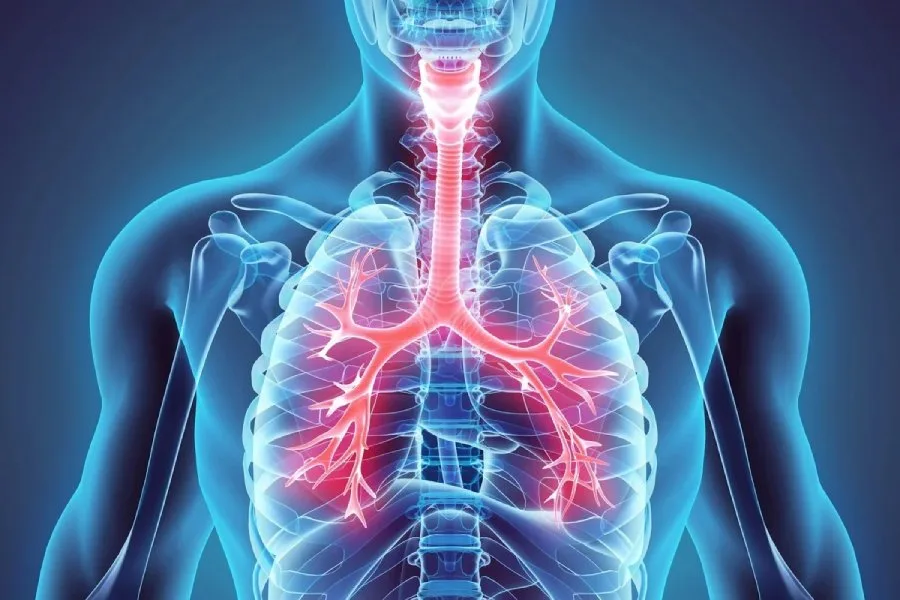
AI can enhance early detection of tuberculosis and lung cancer.
Over 2,000 healthcare professionals discussed AI applications at NAPCON 2026.
Integration of AI with clinical practices is essential for effective screening.
At the 28th Joint Annual National Conference of the National College of Chest Physicians and the Indian Chest Society, held from October 22 to 25, experts discussed the transformative role of artificial intelligence (AI) in the early detection of tuberculosis (TB) and lung cancer. They emphasized that AI technology could assist healthcare professionals in identifying critical signs on chest X-rays and CT scans, thereby prioritizing patients for further evaluation and treatment.
The conference brought together over 2,000 participants, including pulmonologists, researchers, and healthcare professionals from India and abroad. Dr. Randeep Guleria, former director of AIIMS, Delhi, highlighted the potential of AI to revolutionize respiratory disease detection. He stated that AI could support clinicians in making quicker, more informed decisions by flagging suspicious findings, which could lead to timely investigations and interventions.
AI-powered software can analyze chest X-rays for patterns indicative of TB and assist in identifying lung nodules on CT scans. The World Health Organization has endorsed computer-aided detection software as a viable option for TB screening in specific populations. Given that India accounted for approximately 26% of global TB cases in 2024, experts believe that AI-assisted screening could significantly benefit underserved areas and primary healthcare facilities.
The implications of these advancements are profound, as faster identification and referral processes could minimize delays in diagnosis and treatment. Dr. Raj Kumar from the Vallabhbhai Patel Chest Institute in Delhi noted that AI could enhance TB detection in regions lacking specialist expertise, making screening more efficient and prioritizing patients for further evaluation. However, he stressed the importance of integrating AI with reliable systems for confirmatory testing and timely treatment.
For lung cancer, AI algorithms can help clinicians examine CT scans to identify suspicious nodules, potentially improving treatment outcomes by facilitating earlier intervention. Dr. Mohammed Munavvar from Lancashire Teaching Hospitals emphasized that the success of AI in this context relies on responsible usage, validation of algorithms, and the interpretation of findings by trained healthcare professionals. The conference concluded with a call for practical solutions that leverage AI advancements to benefit patients across India, reinforcing the notion that AI should complement, not replace, the expertise of healthcare providers.