AI Enhances Diagnosis and Care in CNS Autoimmune Disorders
A recent review highlights the growing role of artificial intelligence in improving diagnosis and management of CNS autoimmune diseases.
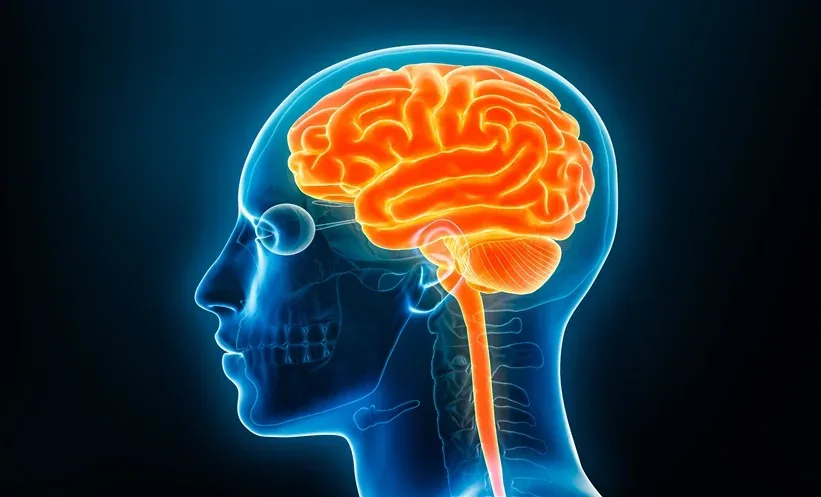
AI applications show promise in diagnosing and monitoring CNS autoimmune diseases.
Multiple sclerosis has the most extensive research backing AI integration.
Challenges remain in translating AI findings into clinical practice.
A recent review has revealed that artificial intelligence (AI) is being increasingly utilized to enhance the diagnosis, monitoring, and prognostic evaluation of central nervous system (CNS) autoimmune diseases. This comprehensive analysis focused on various conditions, including multiple sclerosis, neuromyelitis optica spectrum disorder, autoimmune encephalitis, and myelin oligodendrocyte glycoprotein antibody-associated disease, all of which present unique diagnostic challenges due to overlapping symptoms and inadequate biomarkers.
The review highlighted that AI has been applied to numerous clinical tasks, such as automated neuroimaging analysis, differential diagnosis, disease classification, and relapse prediction. Researchers noted that AI is also being integrated with laboratory data, electronic health records, and various multimodal patient information sources, indicating a shift towards more sophisticated healthcare solutions.
Among the diseases studied, multiple sclerosis emerged as the area with the most substantial body of research, particularly in neuroimaging applications like lesion segmentation and disease activity monitoring. However, studies on neuromyelitis optica spectrum disorder and autoimmune encephalitis were generally smaller and more varied in their findings. While some studies indicated promising diagnostic capabilities, many lacked external validation and relied on retrospective data, raising concerns about their reliability.
The review underscored significant translational gaps in the application of AI in clinical settings. Currently, no prospectively validated AI models exist for estimating treatment effects or selecting individualized therapies across the reviewed diseases. Most existing models are primarily focused on diagnosis and risk prediction, rather than informing treatment decisions. Researchers called for larger multicenter datasets and more robust external validation to enhance the real-world applicability of AI in clinical decision-making.
Looking ahead, the researchers anticipate that advancements in multimodal data integration and standardized imaging analysis will drive progress in the near term. However, they cautioned that autonomous diagnosis and treatment selection remain unsupported by current evidence, indicating a need for further research to establish the clinical benefits of AI in CNS autoimmune disease management.