2026 Health Summit Highlights Breast Cancer Recurrence Risks
Experts at the Times Network India Health Summit 2026 discuss the ongoing challenges faced by breast cancer survivors, emphasizing the importance of follow-up care.
Breast cancer survivors face emotional and financial challenges post-treatment.
Recurrence risks vary based on cancer subtype and treatment response.
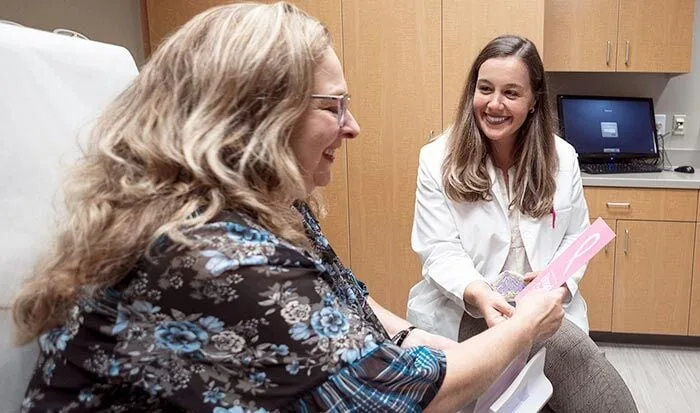
Follow-up care is crucial for monitoring recovery and managing long-term effects.
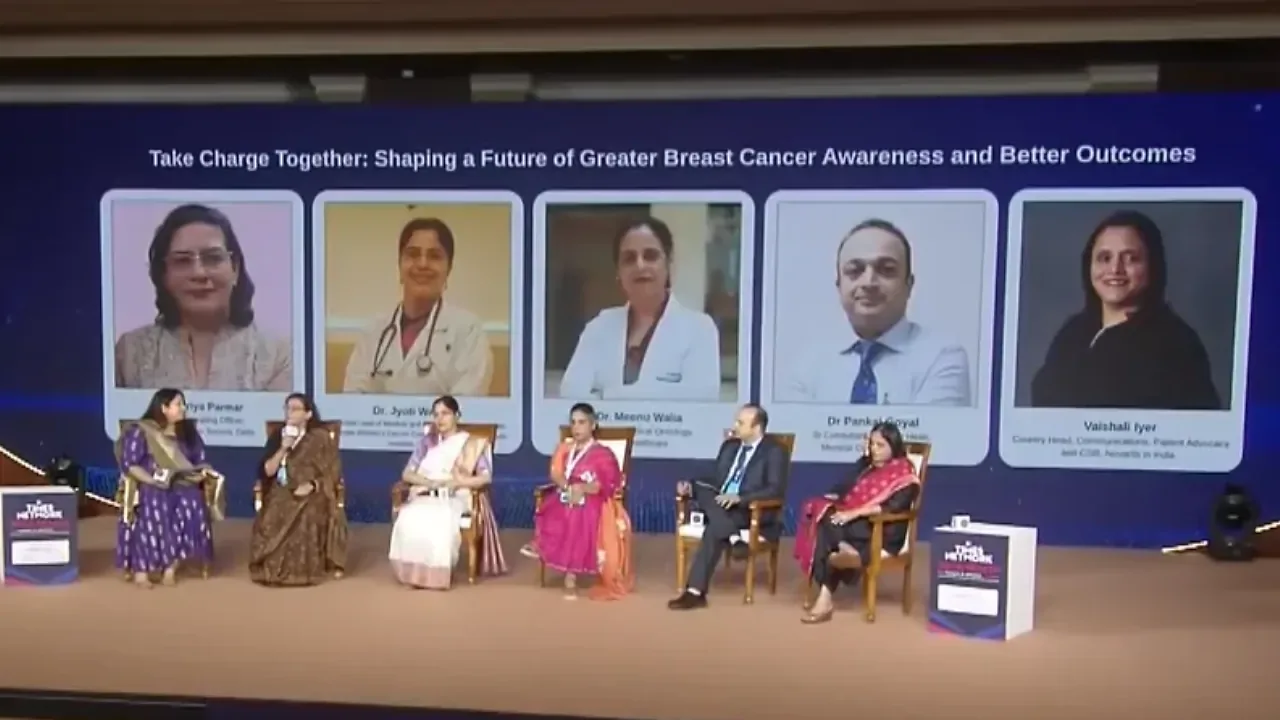
At the Times Network India Health Summit and Awards 2026 held in New Delhi, a panel of experts addressed the ongoing challenges faced by breast cancer survivors. The discussion, titled "Take Charge Together: Shaping a Future of Greater Breast Cancer Awareness and Better Outcomes," emphasized that the journey does not end with treatment, as the risk of recurrence remains a significant concern. Experts highlighted the necessity of regular follow-ups and adherence to treatment protocols to mitigate these risks.
The panel included notable figures such as Dr. Priya Parmar from the Indian Cancer Society, Dr. Jyoti Wadhwa from Apollo Athena Women’s Cancer Centres, and Dr. Meenu Walia from Max Healthcare. They discussed the multifaceted challenges that women encounter after treatment, which can include physical symptoms like fatigue and changes in body image, as well as emotional and social issues. Dr. Parmar pointed out that losing a breast or experiencing hair loss can deeply affect a woman's identity and sense of femininity, while concerns about intimacy and relationships can further complicate recovery.
The risk of breast cancer recurrence is not uniform and is influenced by various factors, including the cancer's stage, subtype, and treatment response. Dr. Wadhwa explained that certain subtypes, such as triple-negative breast cancer, are more likely to recur within a few years post-treatment, while others may not return for decades. This variability underscores the importance of continuous monitoring, even for patients who initially respond well to treatment.
The discussion also highlighted the broader implications of breast cancer on society. Vaishali Iyer from Novartis noted that an estimated 140 million productive hours are lost annually due to breast cancer care, showcasing the economic impact of the disease. Experts stressed that addressing treatment-related concerns, such as menopausal symptoms, is essential for improving the quality of life for survivors.
Looking ahead, the panel emphasized the need for a supportive healthcare environment that fosters trust between patients and providers. Dr. Goyal urged healthcare professionals to communicate recurrence risks effectively without inducing unnecessary fear. As the conversation around breast cancer evolves, the focus remains on enhancing awareness and improving outcomes for survivors through comprehensive care strategies.