2024 Sees 2.6 Million New Lung Cancer Cases Worldwide
Lung cancer remains the most prevalent cancer globally, with significant risk factors identified by oncologists.
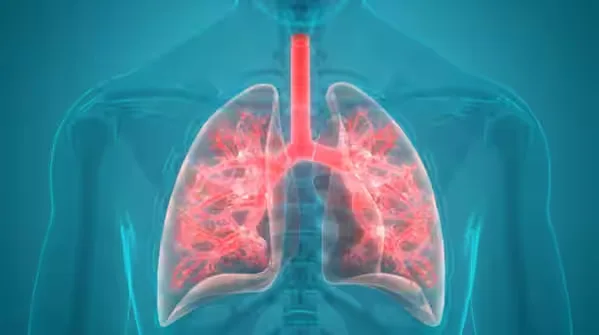
2.6 million new lung cancer cases expected in 2024
Smoking and air pollution are major risk factors
Preventive measures can significantly reduce risk
Lung cancer is projected to account for approximately 2.6 million new cases in 2024, maintaining its status as the most frequently diagnosed cancer and the leading cause of cancer-related deaths globally. According to the International Agency for Research on Cancer, this figure represents about 12.8% of all cancer diagnoses. Understanding the reasons behind the high incidence of lung cancer and the ways to mitigate risk is crucial for public health.
The primary cause of lung cancer is the rapid growth of abnormal cells in the lungs, often triggered by preventable factors. Smoking tobacco is the most significant contributor, but non-smokers can also develop the disease due to various environmental factors. These include exposure to air pollution, workplace carcinogens, and even radon gas, which can accumulate in enclosed spaces. The risk of developing lung cancer can differ based on geographical location, influenced by local tobacco usage, industrial activity, air quality, and healthcare access.
Dr. Kalyani Premchandra, a medical oncologist at Apollo Hospitals in Bengaluru, emphasizes that while risk factors can increase the likelihood of developing lung cancer, they do not guarantee it. Notably, 15-25% of lung cancer cases occur in individuals who have smoked fewer than 100 cigarettes in their lifetime. Factors such as age, exposure to passive smoke, and genetic predispositions also play a role in non-smokers.
The implications of these findings are significant for public health initiatives. Awareness campaigns aimed at reducing smoking rates and improving air quality are vital. Individuals are encouraged to avoid tobacco products, minimize exposure to second-hand smoke, and take precautions against air pollution. Employers must ensure proper safety measures for workers exposed to hazardous substances, and residents should test for radon in their homes.
Looking ahead, healthcare professionals recommend that individuals with a history of significant smoking consider low-dose CT screening for early detection. Symptoms of lung cancer may not be apparent in the early stages, but persistent cough, chest pain, and unexplained weight loss should prompt immediate medical consultation. By adopting preventive measures and seeking timely medical advice, individuals can significantly lower their risk of lung cancer and enhance their overall lung health.