12% of Global Cancer Cases Linked to Infections in 2024
A recent WHO study reveals that infections are responsible for nearly one in eight cancer cases worldwide, highlighting preventable risks.
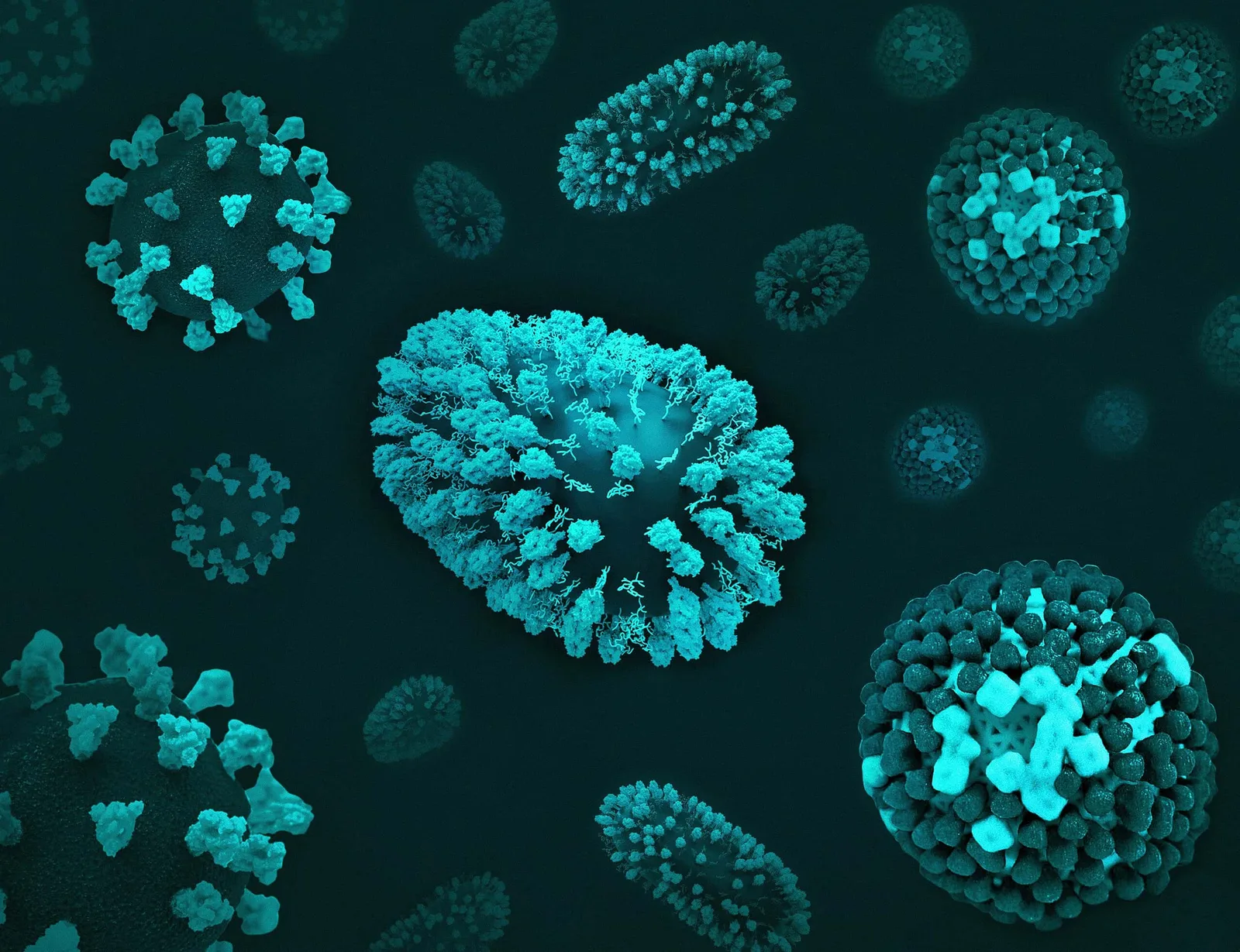
Infections account for approximately 12% of global cancer cases in 2024.
Five pathogens, including HPV and hepatitis B, are major contributors to cancer.
Preventative measures like vaccinations are crucial in reducing cancer rates linked to infections.
A new study published by the World Health Organization (WHO) indicates that around 12% of cancer cases worldwide in 2024 are likely attributable to infections. This research, featured in The Lancet Oncology, highlights the significant role infections play in the development of various cancers, linking approximately 2.3 million new cases to infectious agents.
The study identifies five primary pathogens responsible for these infections: Helicobacter pylori, human papillomavirus (HPV), hepatitis B, Epstein-Barr virus, and hepatitis C. These pathogens are known to contribute to over 20 different cancer types, including stomach, liver, blood, and cervical cancers. The findings underscore the importance of understanding how infections can lead to cancer and the potential for prevention.
Historically, researchers have been investigating the connection between infections and cancer for decades. Previous studies have shown varying proportions of cancer cases linked to infections, with a peak of 18% reported in 2002. However, the current study does not aim to compare these figures over time but rather emphasizes the need for infection control as a strategy to reduce cancer incidence.
The mechanisms by which infections can lead to cancer are complex. Viruses can alter the genetic makeup of host cells, either by disabling the cell's self-destruction mechanisms or by inserting their DNA into the host's genome. Bacterial and parasitic infections, while less direct, can cause chronic inflammation and tissue damage, leading to genetic mutations that increase cancer risk. This highlights the critical need for public health initiatives focused on infection prevention.
Preventing infections that can lead to cancer is vital, especially in low- and middle-income countries where the burden of infection-related cancers is disproportionately high. Vaccination programs, such as the HPV vaccine, have shown success in reducing cancer rates in countries like Australia. However, vaccination coverage has declined recently, raising concerns about future cancer prevention efforts. Overall, addressing the link between infections and cancer through comprehensive healthcare strategies is essential for improving global health outcomes.