10-20% Increase in Skin Complaints Linked to Air Pollution in India
Rising air pollution in major Indian cities is causing a notable uptick in skin issues and mental health concerns among residents.
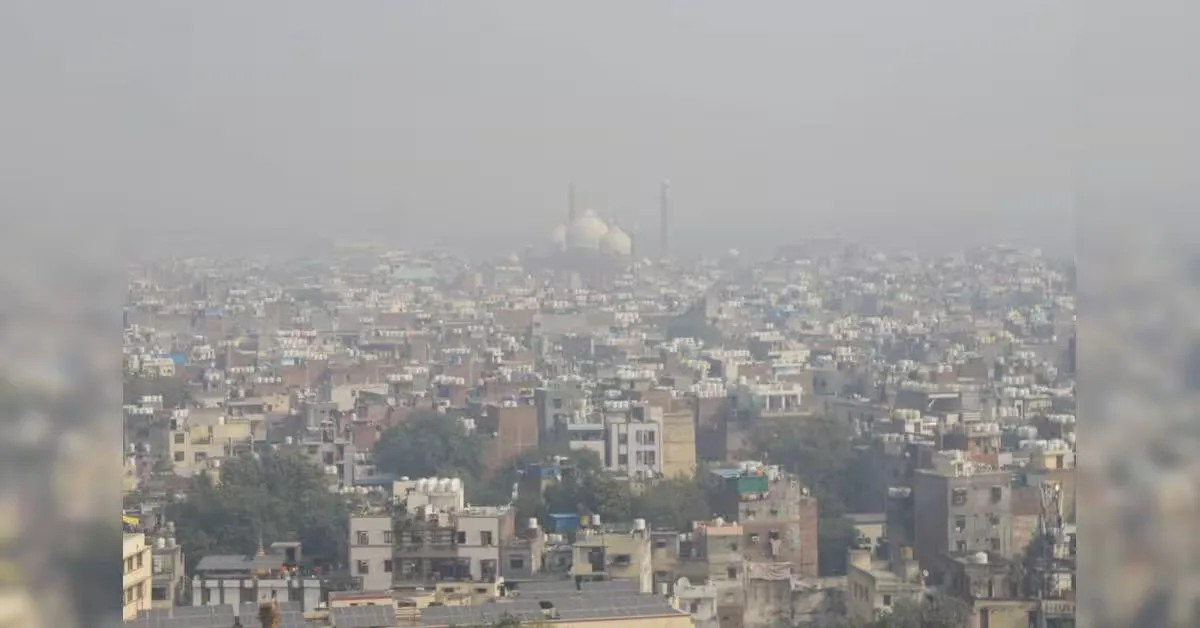
Doctors report a 10-20% rise in skin complaints during high pollution periods.
Prolonged exposure to air pollutants is linked to depression and cognitive decline.
Children and older adults are particularly vulnerable to the effects of polluted air.
In major Indian cities like Delhi and Mumbai, healthcare professionals are observing a significant increase in skin-related health issues, with reports indicating a rise of 10-20% in patients suffering from various dermatological conditions during periods of high air pollution. This alarming trend coincides with a growing body of research that highlights the adverse effects of polluted air on mental health, including increased rates of depression and cognitive decline.
The rise in skin complaints is attributed to the deteriorating air quality, which has been linked to various skin ailments such as eczema, dermatitis, and acne. Dermatologists, including Saurabh Shah from Mumbai's Saifee Hospital, have noted that patients are presenting with symptoms like skin irritation and allergies, particularly when air quality deteriorates. Recent data from the Central Pollution Control Board (CPCB) indicates that Delhi's air quality index (AQI) reached a concerning level of 293, categorizing it as 'poor.'
Fine particulate matter (PM2.5) and other airborne pollutants are known to cause oxidative stress and inflammation, which can compromise the skin's protective barrier. Experts like Ruben Bhasin Passi from Gurugram's CK Birla Hospital emphasize that these pollutants can damage skin cells and exacerbate existing skin conditions. Vulnerable populations, such as children and the elderly, face heightened risks due to their less resilient skin barriers.
Beyond dermatological issues, recent studies have begun to explore the psychological ramifications of air pollution. Research published in the journal Environmental Research indicates a correlation between ambient air pollution and increased rates of depression and anxiety. Clinical psychologist Mehezabin Dordi notes that prolonged exposure to PM2.5 may contribute to neuroinflammation and affect cognitive functions, particularly in developing children and adolescents.
As air quality continues to fluctuate, healthcare professionals are urging the public to remain vigilant about the potential health risks associated with pollution. Future studies and interventions will be critical in addressing both the physical and mental health impacts of air pollution, particularly as urban areas grapple with increasing pollution levels.