Volkswagen Announces Major Job Cuts Amid Economic Challenges
Volkswagen plans to eliminate 100,000 jobs by 2030 as part of a significant restructuring effort to adapt to economic pressures.
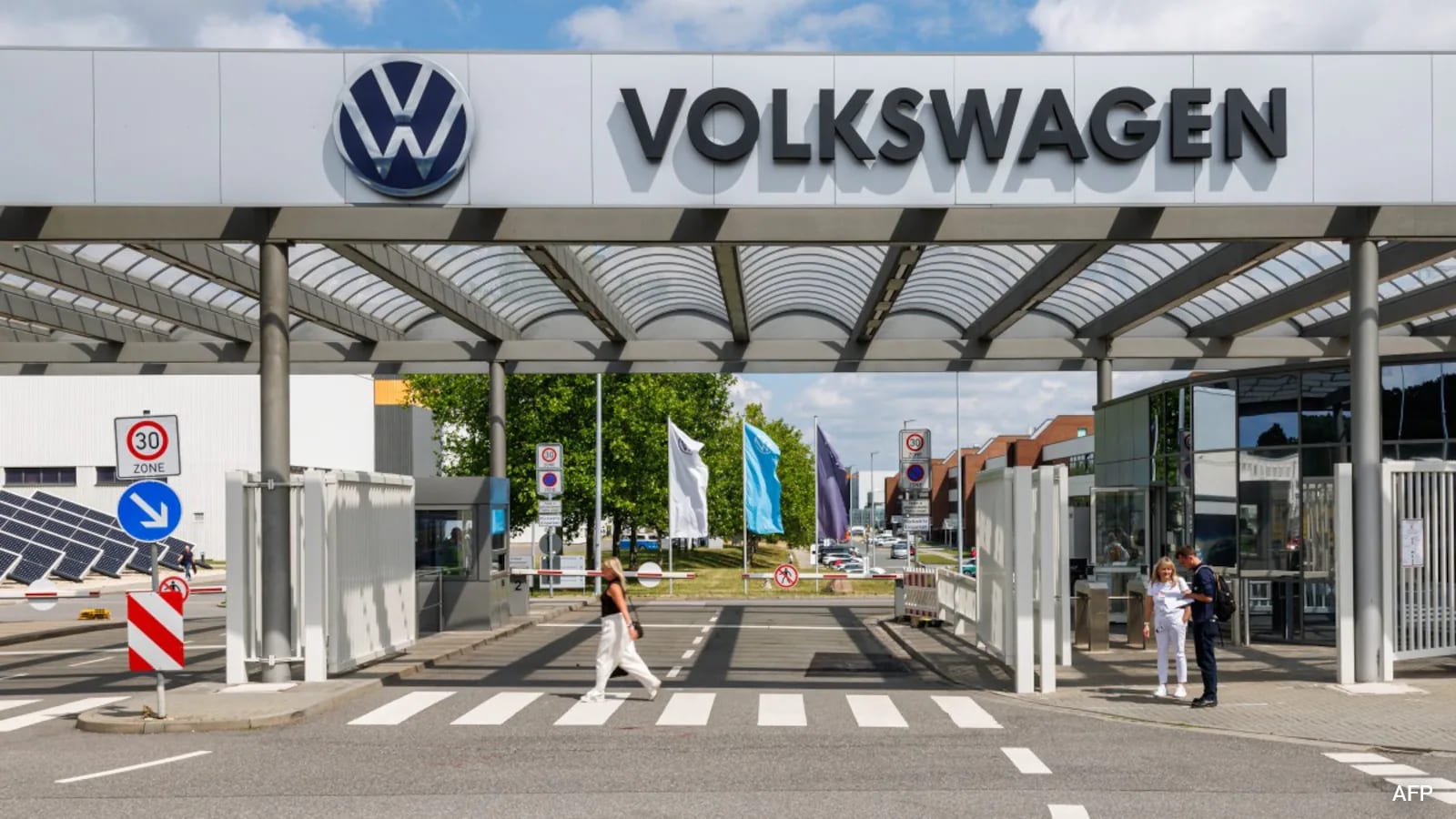
Volkswagen will cut 100,000 jobs globally, marking the largest restructuring in automotive history.
The decision comes amid challenges like US tariffs and competition from China affecting demand.
Management and unions have reached an agreement, but concerns remain about the future of several German plants.
Volkswagen, the renowned German automotive manufacturer, has announced a significant restructuring plan that will result in the elimination of 100,000 jobs by the end of the decade. This decision, revealed on Thursday, represents the most extensive job reduction in the history of the global automotive industry. The plan includes the reduction of 50,000 jobs that had already been agreed upon, in addition to another 50,000 positions that will be cut moving forward.
The company cited the need to align workforce levels with the current economic landscape, which has been challenging due to various factors. These include tariffs imposed by the United States, inconsistent demand for electric vehicles, and intense competition from Chinese automakers. As a result, Volkswagen, which also owns brands like Audi and Porsche, is facing significant operational difficulties.
The planned job cuts will account for approximately 15% of Volkswagen's global workforce, surpassing the previous record of 50,000 job reductions made by General Motors following its bankruptcy in 2009. Furthermore, the future of four major German manufacturing plants—located in Hannover, Emden, Zwickau, and Neckarsulm—remains uncertain, with management exploring alternative uses for these facilities.
The closure of these plants would mark a historic first for Volkswagen, as it would be the first time the company has shut down full-scale factories in Germany. Workers and local communities have expressed deep concerns about the potential impact on jobs and the economy in the regions surrounding these plants. Martin Lehmann, an employee at the Zwickau facility, emphasized the plant's significance to the local economy, stating that it serves as a crucial driver for the entire region.
The agreement reached between management and unions follows a period of intense negotiations. Volkswagen's supervisory board, which includes both labor and shareholder representatives, has unanimously approved the restructuring plan. However, tensions have arisen, particularly after reports suggested management was attempting to circumvent the supervisory board's authority. Unions have voiced their dissatisfaction, labeling some management strategies as unacceptable. Looking ahead, Volkswagen aims to develop a new decision-making model that may alter the balance of power within the supervisory board, potentially impacting future plant closures and workforce decisions.