Airlines Face Slot Reductions Amid Mumbai Airport Redevelopment
A clash arises between Adani's MIAL and airlines over operational changes during Terminal 1's redevelopment.
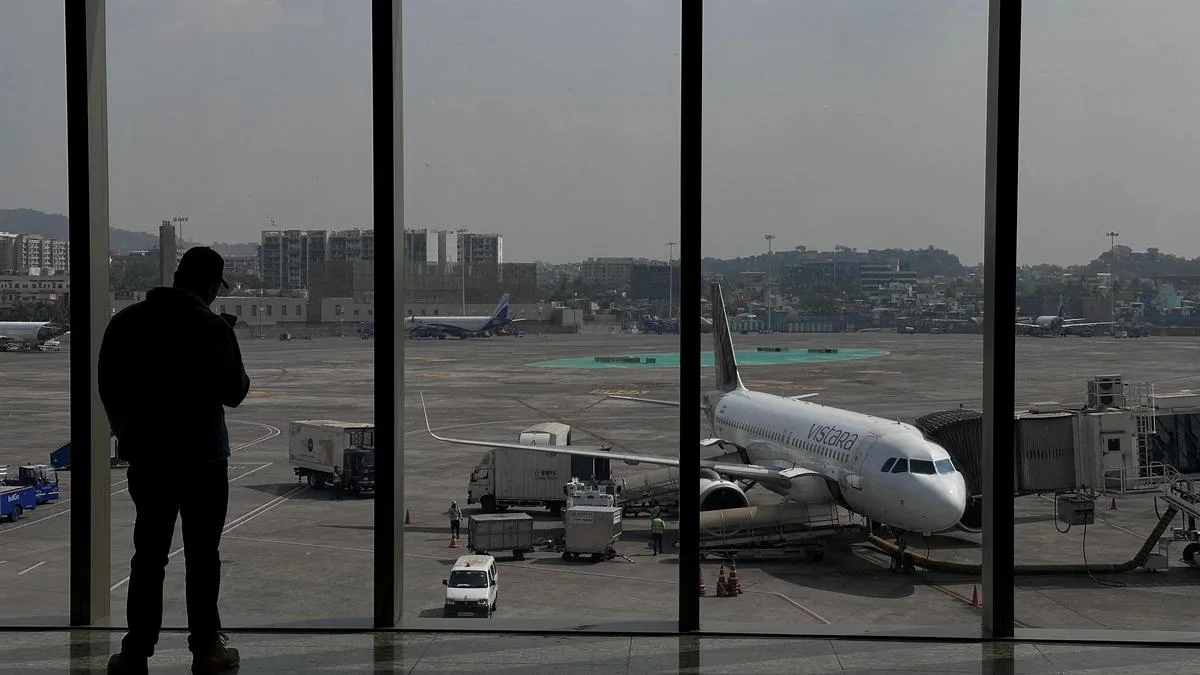
MIAL plans to shift domestic flights from Terminal 1 to Terminal 2.
A 33% cut in international departure slots will affect 46 airlines starting October 25.
IATA opposes the forced relocation of airlines to Navi Mumbai, citing readiness concerns.
A significant dispute has emerged between Adani-run Mumbai International Airport Ltd. (MIAL) and various airlines regarding the operational changes linked to the redevelopment of Terminal 1 (T1). The proposed plan entails relocating domestic traffic from T1 to Terminal 2 (T2), while some international flights are set to be moved to the more remote Navi Mumbai International Airport. This shift has sparked contention as airlines express their concerns over the abrupt changes.
In a communication to the airlines, MIAL highlighted that several carriers did not attend a crucial meeting on September 16 and have failed to submit their transition plans by the September 25 deadline. Consequently, MIAL announced a 33% reduction in international departure slots effective from 11:59 PM on October 25, impacting 265 of T2’s 770 weekly international slots. This reduction will directly affect 46 airlines, with IndiGo facing the largest cut of 74 slots, followed by Air India with 33, and both Emirates and Etihad Airways facing 10 each.
Airlines have until 4 PM on October 6 to identify which slots they wish to temporarily discontinue; otherwise, MIAL will make these determinations based on operational and capacity considerations. Following the slot reductions, MIAL plans to allocate the vacated T2 facilities, including check-in counters and baggage belts, to domestic operators transitioning from T1 starting October 26.
The International Air Transport Association (IATA) has voiced strong opposition to what it describes as a forced relocation of airlines from Mumbai to Navi Mumbai. The organization insists that any transfer should be voluntary and involve consultation with the airlines. IATA has raised concerns about the readiness of Navi Mumbai's operational ecosystem for international services, pointing to uncertainties regarding maintenance approvals, catering, and ground-handling capabilities.
In response to the situation, Mumbai airport officials stated that the move to Navi Mumbai would be temporary. To incentivize new international flights, Navi Mumbai will offer a complete waiver on landing charges and vouchers for international passengers to offset the difference in User Development Fees between the two airports. The redevelopment of T1 is slated to commence in January 2027, which is expected to boost its capacity by 33%, accommodating up to 20 million passengers annually, up from the current 15 million.