TVS Family Dispute: Mallika and Lakshmi Venu Demand Fair Asset Division
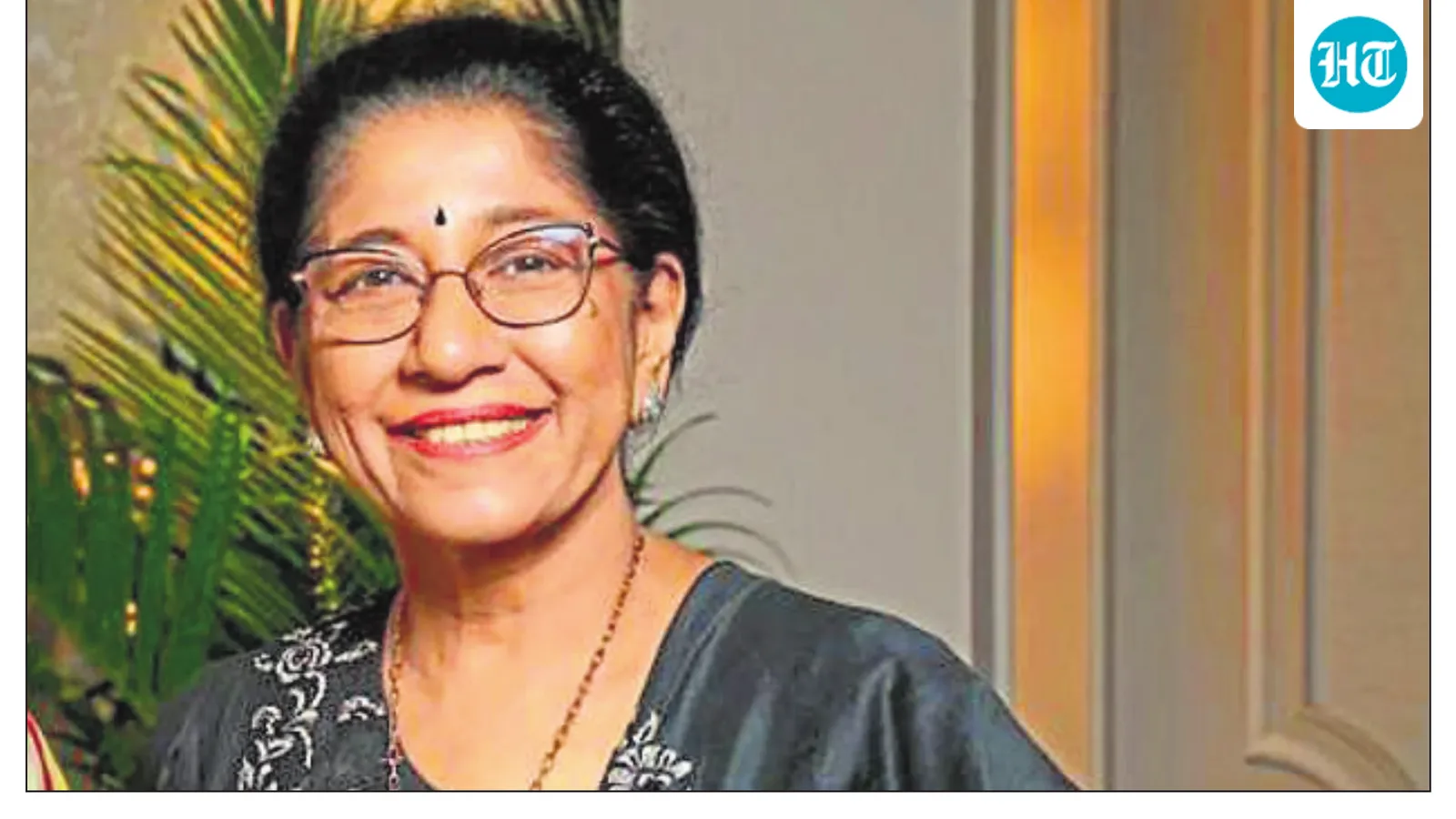
Mallika Srinivasan and her daughter Lakshmi Venu assert that economic interests within the TVS family have not been fairly divided, despite previous agreements.

Mallika and Lakshmi claim no economic settlement has been reached regarding family assets.
Concerns arise over Sudarshan Venu's potential disproportionate inheritance from TVS Motor.
The ongoing family feud highlights the need for a transparent resolution process.
In a significant escalation of the ongoing family dispute, Mallika Srinivasan and her daughter Lakshmi Venu have publicly asserted that the division of assets within the TVS family has not been conducted fairly. This revelation follows recent reports of tensions regarding ownership and wealth distribution among the family members, particularly concerning the management of their businesses.
The roots of this conflict can be traced back to a 2020 agreement that aimed to restructure the TVS Group's holdings. This arrangement was intended to eliminate cross-holdings and align corporate ownership with the respective family branches. However, Mallika and Lakshmi contend that the current situation lacks a comparable process for dividing economic interests, which they believe is essential for a fair resolution.
In their statement, the mother-daughter duo emphasized that no consensus has been reached regarding the economic ownership of family assets. They pointed out that the suggestion of unilateral control over these assets by one individual is unfounded. The division of responsibilities among family members, particularly concerning Sudarshan Venu's management of TVS Motor, raises concerns about potential inequities in wealth distribution, given the company's substantial market valuation of ₹1.86 lakh crore.
The implications of this family feud extend beyond personal conflicts, as it poses significant questions about the future of the TVS Group and its governance. The ongoing tensions may affect the company's operations and its strategic direction, especially as Venu Srinivasan navigates challenges within the broader automotive industry and the ongoing Tata Sons crisis.
Looking ahead, Mallika and Lakshmi remain committed to seeking an amicable resolution that acknowledges the rightful economic interests of all family members. They stress that the fundamental issue at stake is not merely about management roles but about ensuring fair recognition of economic ownership. As the situation unfolds, the focus will be on whether the family can reach a consensus that satisfies all parties involved.