Tesla Unveils Airborne Roadster, Eyes Humanoid Robots and Robotaxis
Tesla's latest Roadster showcases flying capabilities, but the company is also focusing on humanoid robots and autonomous taxi services.
Tesla's new Roadster can perform short airborne maneuvers but is not a true flying car.
The company is investing in humanoid robots named Optimus and autonomous Robotaxi services.
Production of the Roadster is expected to start in 2028, while Optimus and Robotaxi projects face significant challenges.
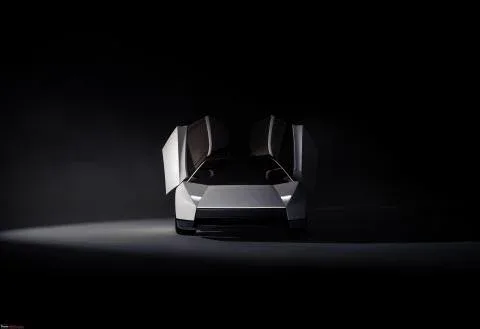
Tesla has recently generated buzz with the unveiling of its next-generation Roadster, which can perform short airborne maneuvers thanks to rocket-inspired thrusters developed in collaboration with SpaceX. This demonstration took place on October 15, showcasing the vehicle's capabilities, although Tesla clarifies that it is not a true flying car and cannot sustain flight like an aircraft. Production of the Roadster is anticipated to begin in 2028, marking a significant milestone for the electric vehicle manufacturer.
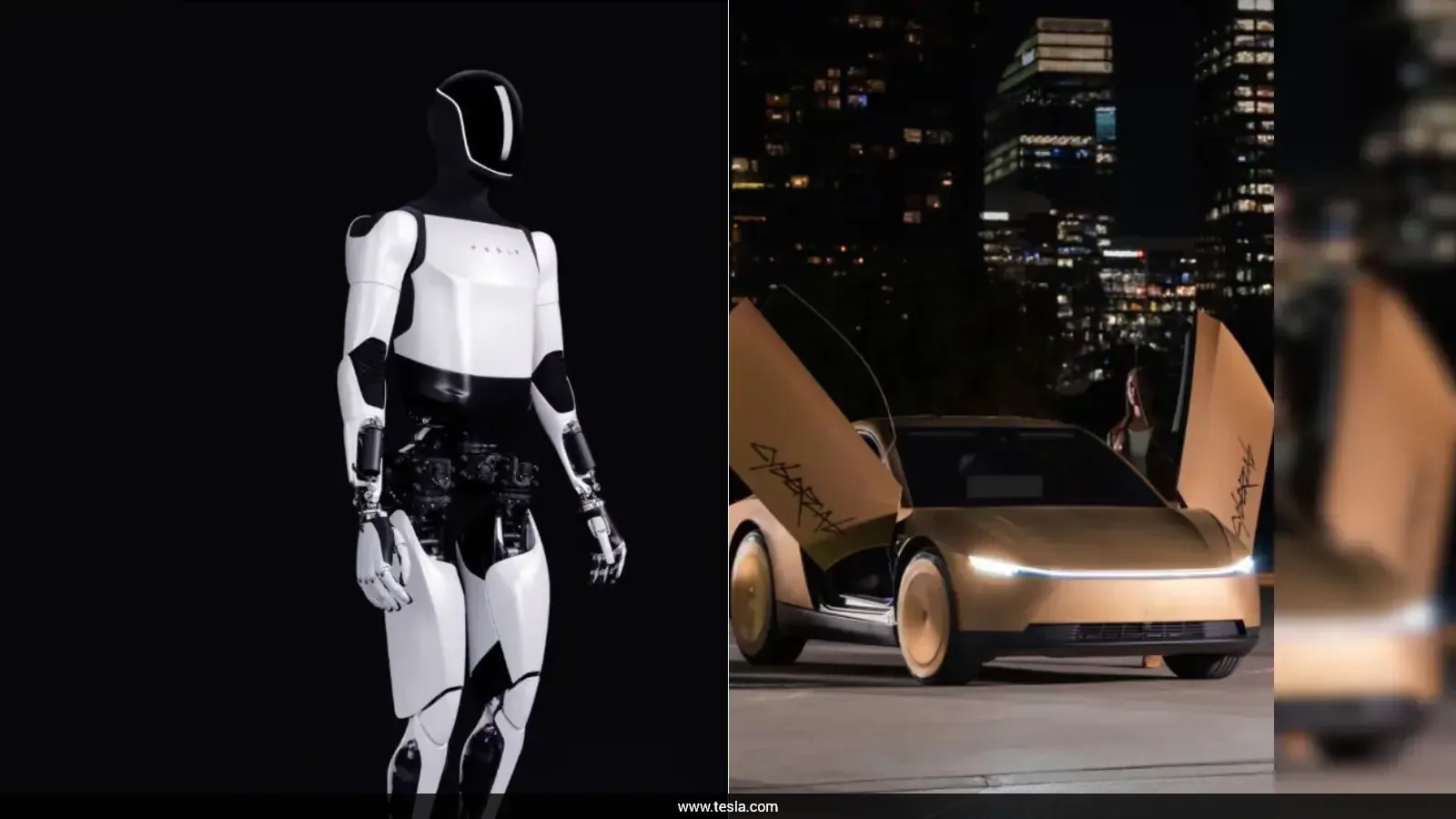
Beyond the Roadster, Tesla is channeling substantial resources into two ambitious projects: the development of Optimus, a humanoid robot, and the introduction of Robotaxi services. The Optimus robot is designed to assist with everyday tasks that may be unsafe or monotonous for humans, with applications envisioned in factories, warehouses, and potentially homes. Although still under development, Tesla aims to equip Optimus with advanced AI capabilities to enable it to recognize objects and interact with its environment.
In parallel, Tesla's Robotaxi initiative aims to revolutionize transportation by offering driverless ride-hailing services. The company has introduced the Cybercab, a two-seat autonomous vehicle devoid of traditional controls like a steering wheel or pedals. Currently operational in Austin, the Robotaxi service is part of Tesla's broader strategy to enhance accessibility and convenience in urban mobility. However, the project faces hurdles, including regulatory challenges and safety concerns.
These innovative projects reflect Tesla's ambition to evolve beyond merely being an electric vehicle manufacturer. By investing in artificial intelligence, robotics, and autonomous transportation, the company is positioning itself to tap into new business avenues that extend beyond car sales. The Optimus robot could automate various physical tasks, while Robotaxi services have the potential to transform urban transportation.
While the Roadster's airborne demonstration has captured public attention, the future of Tesla may hinge more significantly on the successful development and deployment of Optimus and Robotaxi. Both initiatives are still in their infancy and will require overcoming substantial technical and regulatory challenges before they can achieve widespread adoption.