India's Crude Oil Import Bill Hits $15.4 Billion in September
India's crude oil imports surged 7% in September, leading to a significant increase in the import bill amid ongoing regional conflicts.
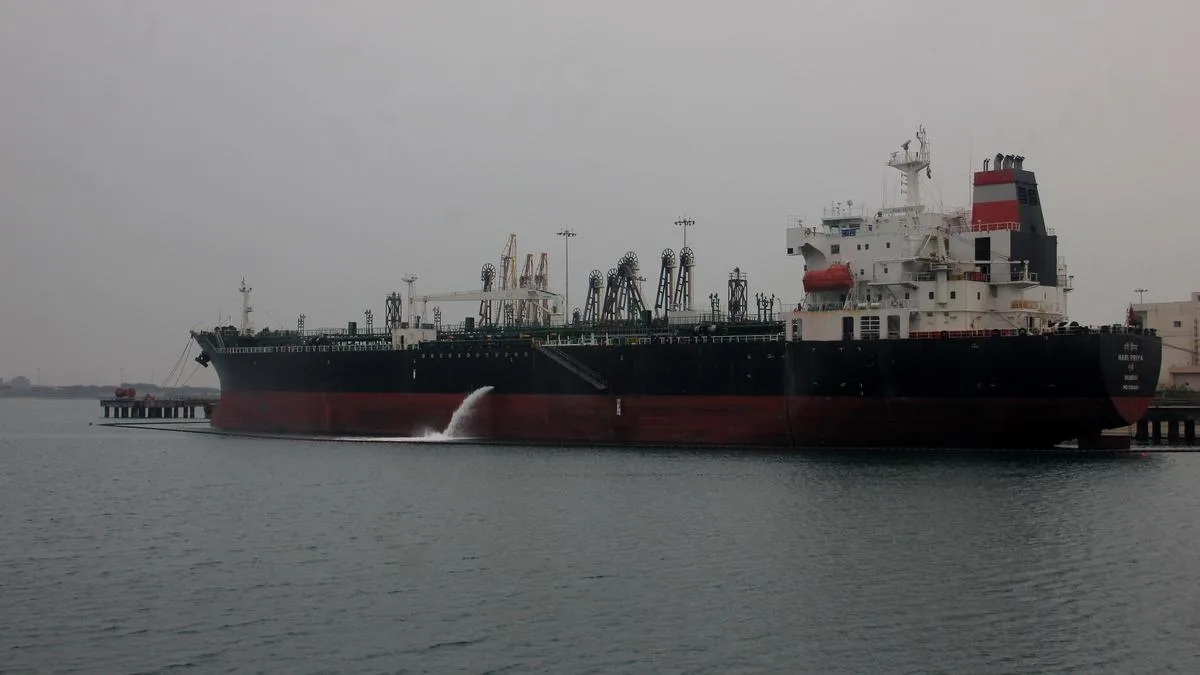
Crude oil imports rose to 21.7 million metric tonnes in September.
The import bill increased by 47% year-on-year to $15.4 billion.
Exports of petroleum products fell by 24.2%, despite a revenue increase.
In September, India's crude oil import bill soared to $15.4 billion, marking a 47% increase compared to the same month last year, as reported by provisional government data. This surge is attributed to escalating conflicts in West Asia, which have impacted global oil prices and supply chains.
According to the Petroleum Planning and Analysis Cell (PPAC), crude oil imports for the month reached 21.7 million metric tonnes, reflecting a 7% rise year-on-year. In contrast, imports of liquefied natural gas (LNG) saw a decline of approximately 8.5%, with volumes dropping to 2,957 million standard cubic metres from 3,233 MMSCM in September of the previous year. Despite this decrease, the LNG import bill remained stable at around $1.2 billion.
The increase in crude oil import costs has significantly impacted India's overall net oil and gas import bill, which rose by 39.6% to $13.4 billion. This figure is calculated by subtracting the value of petroleum product exports from the total imports of crude oil, petroleum products, and gas. The data indicates that while the import costs surged, the export of petroleum products decreased by 24.2% to 4.7 million metric tonnes, although the revenue from these exports increased by about 20% to $4.8 billion.
The implications of these rising import costs are significant for the Indian economy, particularly as they contribute to the trade deficit and affect inflation rates. The increase in crude oil prices can lead to higher domestic fuel prices, impacting consumers and businesses alike. Additionally, the decline in LNG imports could affect energy security and pricing in the coming months.
Looking ahead, analysts are closely monitoring the geopolitical situation in West Asia, as further escalations could lead to additional fluctuations in oil prices. The Indian government may need to strategize on energy imports and explore alternative sources to mitigate the impact of rising global oil prices on the economy.