Starlink Faces Challenges in Competing with Jio in India
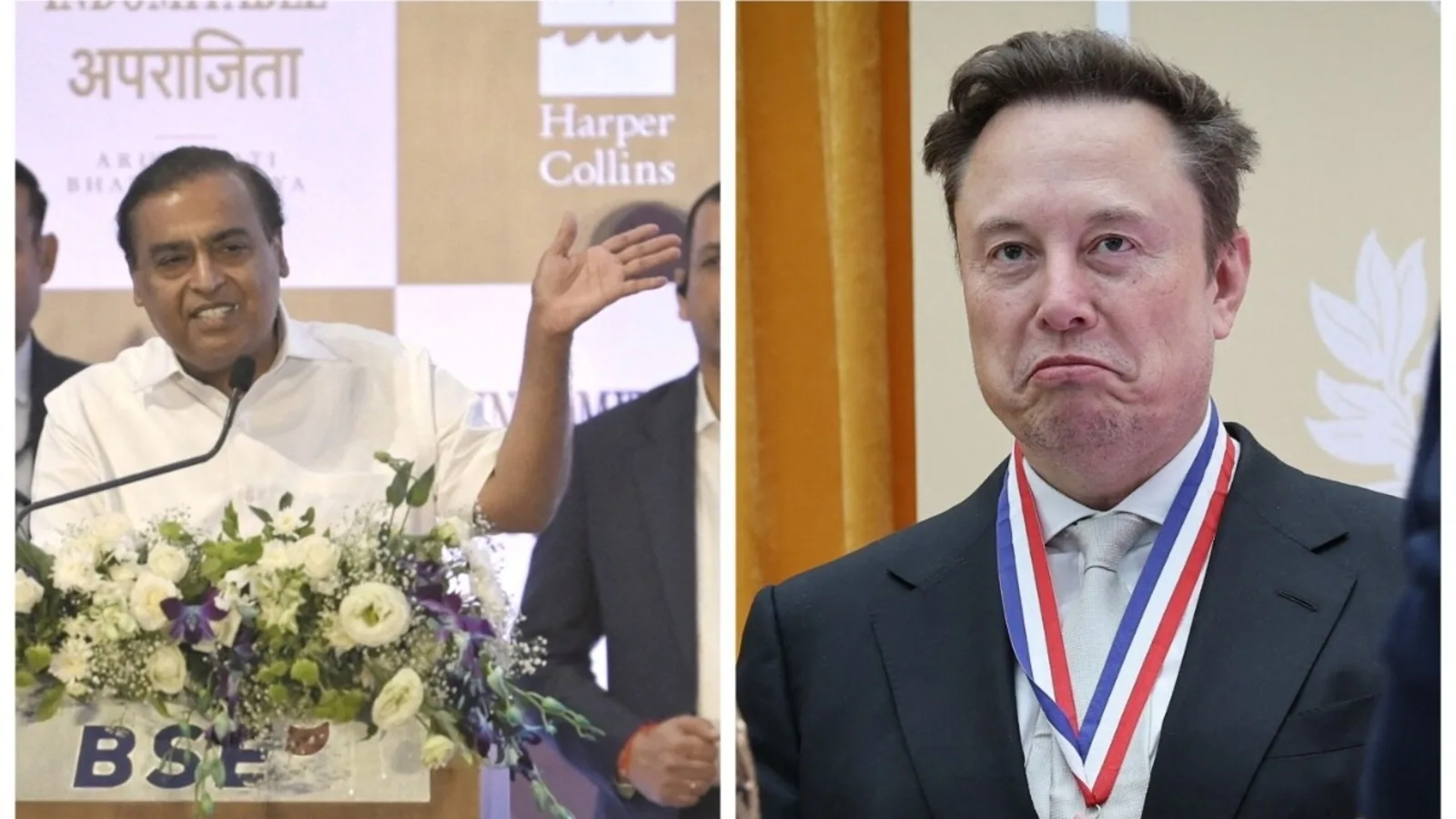
Elon Musk's Starlink aims to enter India's internet market but faces significant hurdles against established players like Jio and Airtel.
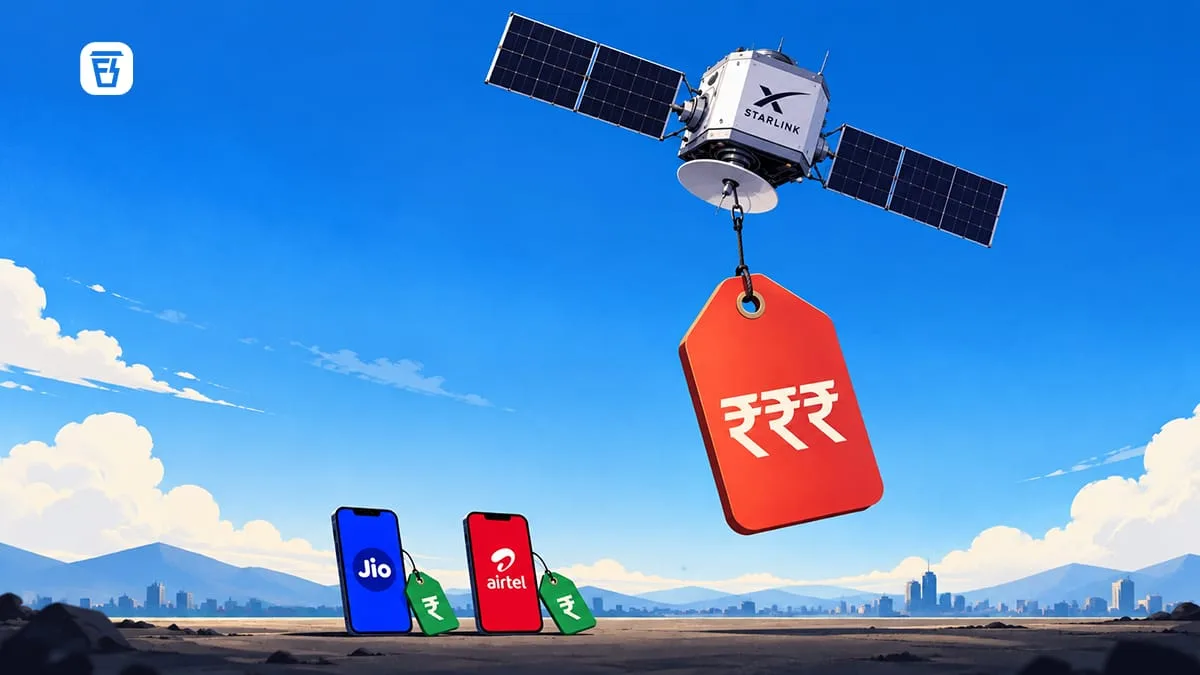
Starlink has signed agreements with Jio and Airtel but needs government approvals to operate.
Pricing in Bangladesh suggests Starlink's costs may be significantly higher than local competitors.
The Indian government limits Starlink to 2 million customers, potentially protecting domestic telecoms.
Starlink, the satellite internet service from Elon Musk's SpaceX, is poised to enter the Indian market, but it faces formidable challenges from established players like Jio and Airtel. Musk has expressed frustration over delays in regulatory approvals from the Indian government, which are crucial for Starlink to launch its services. Despite signing agreements with local telecom operators, the company is eager to establish its own presence in a market where internet data is already very affordable.
The context of this competition is critical. Satellite internet, unlike traditional broadband, relies on satellites orbiting the Earth, which limits capacity and requires shared bandwidth among users. Starlink's service will need to compete not only on technology but also on pricing. In Bangladesh, Starlink's monthly service costs around ₹3,295, which is significantly higher than the plans offered by Jio and Airtel. This pricing structure raises questions about Starlink's ability to attract customers in a price-sensitive market like India.
Currently, three operators, including Starlink, have secured licenses to operate in India, but they still require additional regulatory clearances and spectrum allocations. Musk has alleged that influential figures in the Indian telecom sector are lobbying against Starlink, complicating its entry into the market. This political backdrop adds another layer of complexity to the business landscape.
The implications of Starlink's entry into India could be significant, particularly in underserved areas where Jio and Airtel have limited reach. However, the Indian government has capped Starlink's customer base at 2 million, ostensibly due to capacity constraints. This cap may also serve to protect domestic telecom operators from increased competition. The challenge for Starlink will be to identify and serve customers in rural and remote regions, as well as those willing to pay a premium for reliable internet.
Looking ahead, the future of Starlink in India remains uncertain. If the company can navigate the regulatory landscape and offer competitive pricing, it may find a niche market among businesses and customers in remote areas. However, the established presence of Jio and Airtel, along with their bundled services, presents a formidable barrier. As the situation evolves, the industry will be watching closely to see how this competition unfolds and whether Starlink can carve out a sustainable position in India's dynamic internet market.