Oil Prices Remain Steady Amid Surplus Predictions
Crude oil prices show little movement as forecasts of oversupply clash with geopolitical tensions.
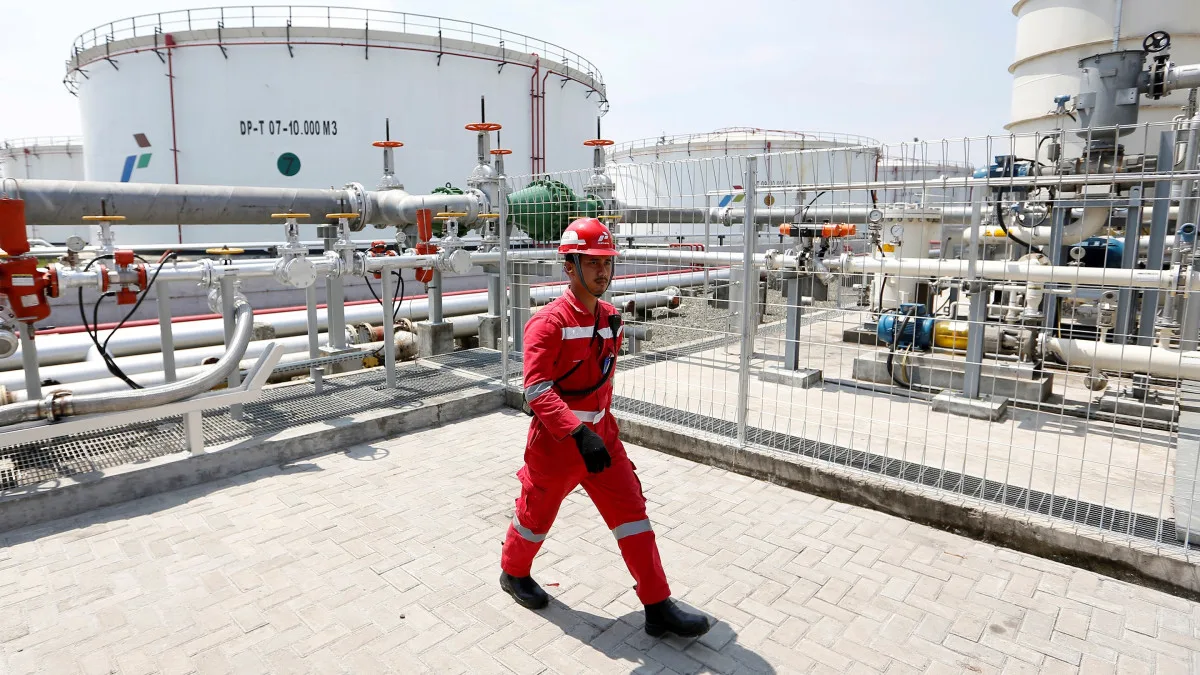
Brent crude prices reached $92.88, while WTI crude rose to $84.69 per barrel.
The IEA predicts a surplus in the oil market for Q4 2026, with supply exceeding demand by 1.7 million bpd.
Analysts warn that logistical issues may hinder the actual availability of oil despite increased Gulf production.
Oil prices have remained relatively stable in recent trading sessions, with Brent crude priced at $92.88 per barrel and WTI crude at $84.69. These prices reflect a significant drop from earlier October levels exceeding $110, yet they have shown minimal fluctuation since the beginning of the week. The market is currently grappling with contrasting predictions of an impending surplus and ongoing geopolitical tensions in the Middle East, which have affected supply dynamics.
The International Energy Agency (IEA) released its November Oil Market Report, indicating that the global oil market is expected to shift to a surplus in the fourth quarter of 2026. This forecast arises as Gulf exports are anticipated to recover more rapidly than the global demand for oil. In October, global oil supply reached 105.4 million barrels per day, with the IEA projecting that supply will surpass demand by 1.7 million barrels per day in the upcoming quarter, a notable change from its earlier estimate of a 1.8 million bpd deficit.
In alignment with the IEA, the U.S. Energy Information Administration (EIA) has adjusted its forecasts, now predicting an increase in oil inventories during the fourth quarter. The EIA had initially anticipated a drawdown of 700,000 bpd but now expects stocks to rise by an average of 3.5 million bpd in the first half of 2027. Additionally, crude production in the Gulf has decreased significantly, falling from 10.9 million bpd in May to 2.5 million bpd in October, according to EIA data.
Despite these positive supply forecasts, analysts from Standard Chartered caution that increased production from Gulf countries does not guarantee that more oil will reach the market. Challenges such as tanker shortages, damaged infrastructure, and high freight rates continue to impede shipments. Furthermore, the IEA's surplus prediction is larger than those of other agencies, raising concerns about the reliability of such forecasts, as past surplus predictions have often failed to materialize.
Looking ahead, the demand outlook remains uncertain, with OPEC projecting global oil demand at 108.3 million bpd for 2027, significantly higher than the IEA's estimate. This discrepancy highlights the differing methodologies used by the agencies in measuring oil demand. As the market navigates these complexities, Standard Chartered anticipates that geopolitical risks will maintain a premium on oil prices, contributing to ongoing volatility, although a gradual decline in crude prices is expected through 2027 as the market stabilizes.