Nvidia Shares Plunge 46% Over Seven Weeks Amid Leadership Crisis
Nvidia's stock has fallen significantly, losing $2.6 trillion in market value as leadership uncertainties and competition grow.
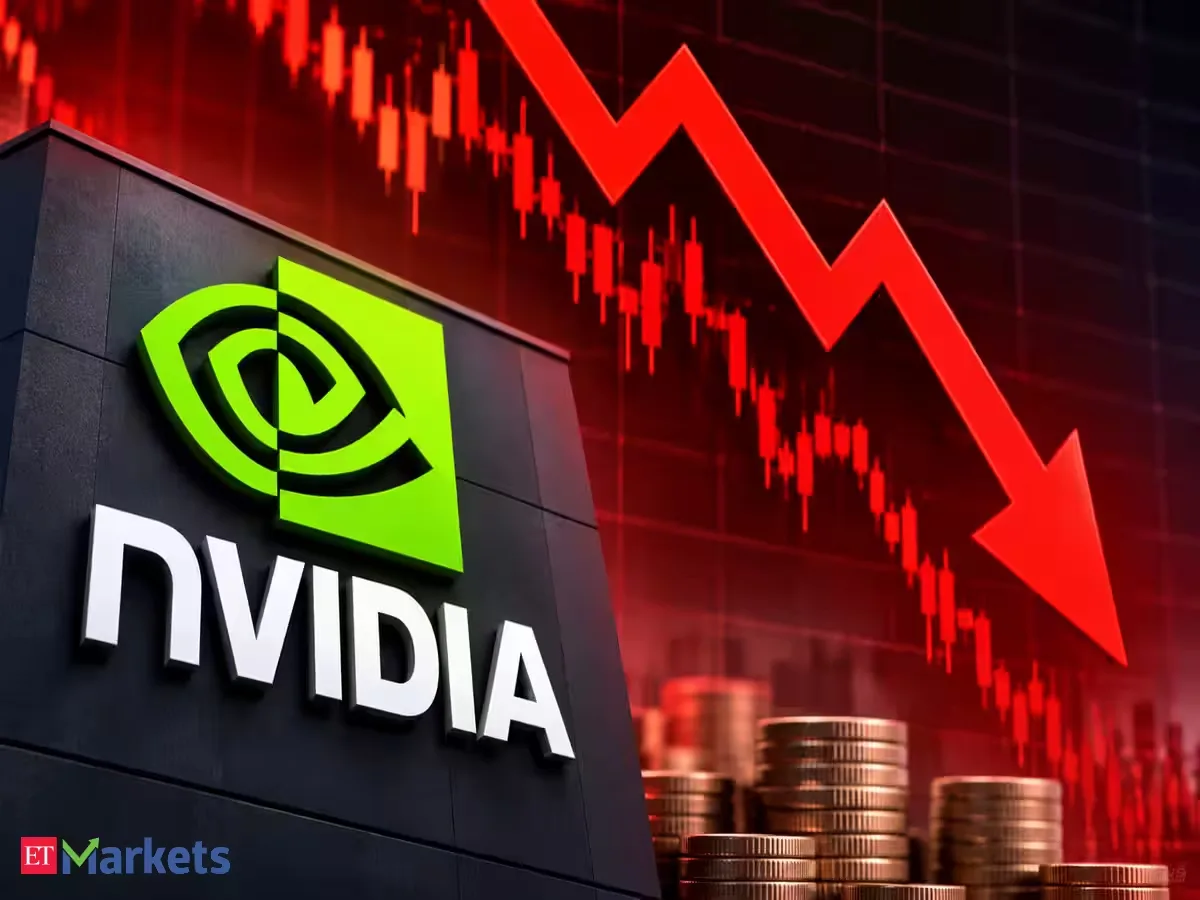
Nvidia's stock has decreased by 46% in the last seven weeks.
The company faces scrutiny from the SEC over potential accounting issues.
Nvidia's market value has dropped to fourth among US companies.
Nvidia's stock experienced a sharp decline of 14% on Friday, marking its seventh consecutive week of losses, the longest losing streak since 2008. Over the past seven weeks, the shares have plummeted by 46%, resulting in a staggering loss of approximately $2.6 trillion in market capitalization. This downturn has raised concerns among investors regarding the company's leadership and the increasing competition in the AI chip market.
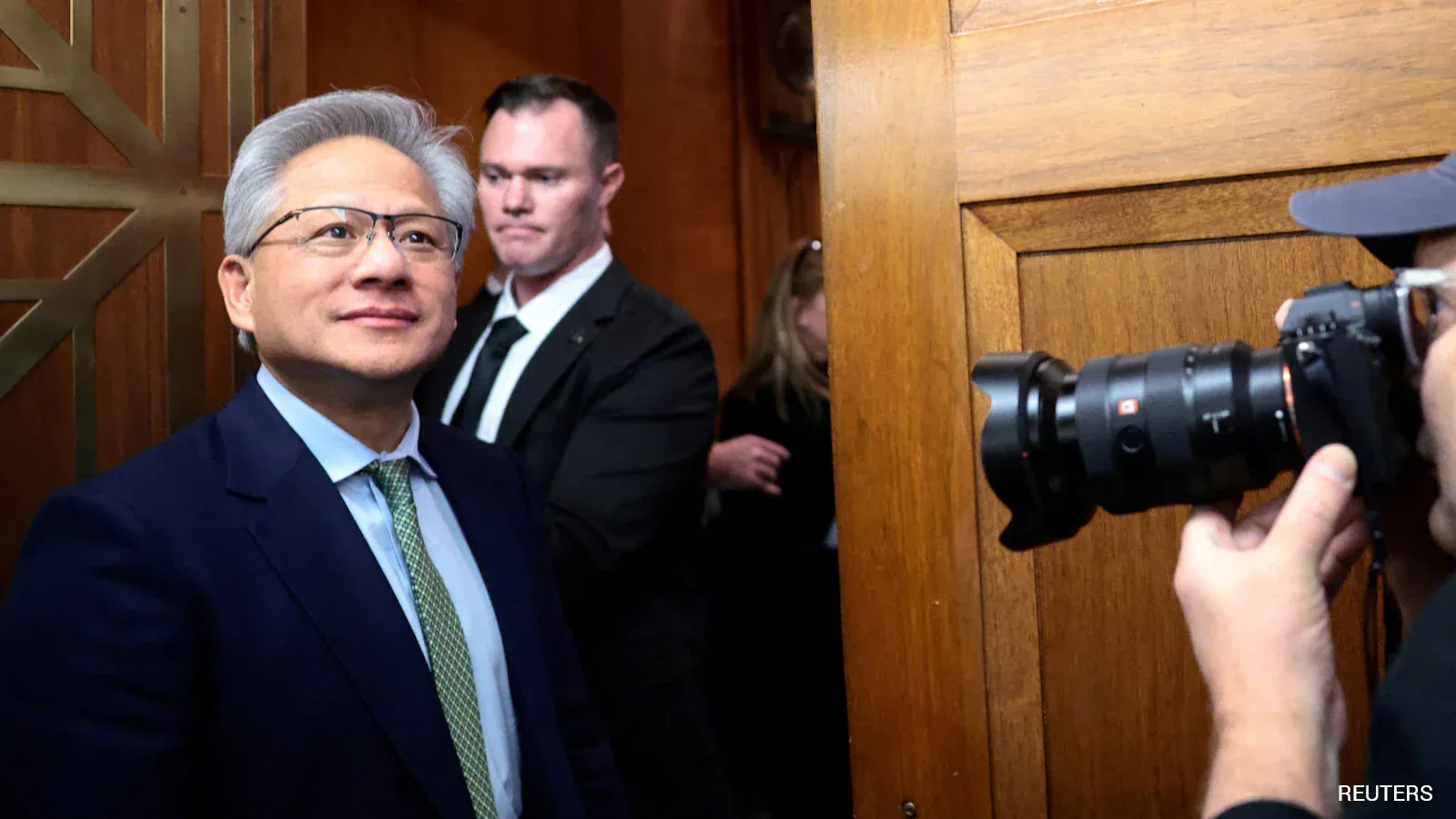
The recent turmoil at Nvidia is compounded by the resignation of co-founder and former CEO Jensen Huang, who stepped down on November 12 amid allegations of personal misconduct. The company’s newly appointed board chair, Harvey Jones, indicated that Huang's departure was due to behavior that did not align with Nvidia's code of conduct. This leadership change comes at a time when Nvidia is already facing challenges from rivals like Google and AMD in the AI sector.
In addition to leadership issues, Nvidia is under investigation by the U.S. Securities and Exchange Commission for potential accounting discrepancies, further intensifying pressure on its stock. Huang has agreed to testify before the U.S. Senate regarding his connections to a Chinese businesswoman and Nvidia's export practices, with a public hearing expected on December 3.
The implications of Nvidia's stock decline extend beyond the company itself, affecting the broader technology sector. Other chipmakers and AI-related stocks have also faced selling pressure as investors reassess their financial outlooks. The overall U.S. stock market has been affected, with major indices like the S&P 500 and Dow Jones Industrial Average entering correction territory after significant drops.
Looking ahead, Nvidia's interim CEO Colette Kress has projected a revenue growth of 75% for the next fiscal year, suggesting that customer demand remains strong despite current challenges. The company is also adjusting its annual review process, moving it from March to December, which may impact employee morale and stock awards. As Nvidia navigates these turbulent waters, the upcoming Senate hearing and the SEC investigation will be critical in shaping its future trajectory.