Allegations of Sexual Misconduct Against Nvidia's Jensen Huang Surface from 2005
Two former employees accused Jensen Huang of abusive behavior and sexual comments, raising concerns as he seeks to return to Nvidia.
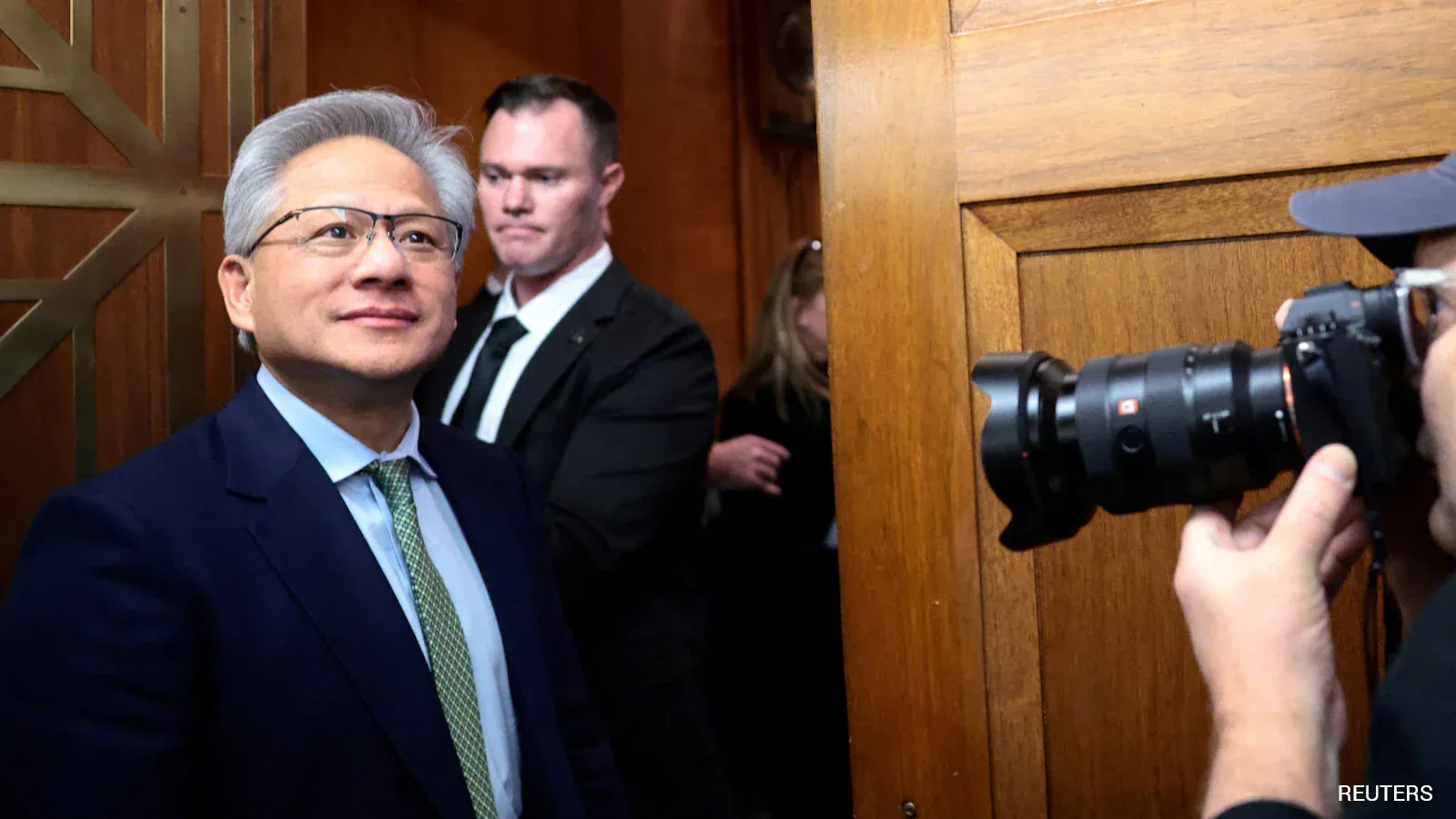
Jensen Huang faced allegations of sexual misconduct and verbal abuse from two former employees dating back to 2005.
The complaints were part of lawsuits that resulted in confidential settlements, with one employee claiming wrongful termination.
Huang's behavior has come under scrutiny as he attempts to regain his position after resigning amid personal scandals.
In a troubling revelation, allegations of sexual misconduct against Jensen Huang, the CEO of Nvidia, have resurfaced from as far back as 2005. Two former employees reported that Huang engaged in abusive behavior, including making sexually explicit remarks and threatening staff. These claims were detailed in a California lawsuit filed in 2007, highlighting a pattern of intimidation within the company.
Stephen Pettigrew, Nvidia's first in-house lawyer, claimed he witnessed Huang verbally abusing employees and was subsequently fired for raising concerns about the CEO's conduct. Court documents reveal that Huang allegedly threatened employees with physical harm while making inappropriate sexual comments. Pettigrew's lawsuit, which included allegations of age discrimination, was settled confidentially in December 2009.
Another significant complaint came from Michael Winston, Nvidia's senior vice president for human resources, who alleged he was terminated for opposing Huang's abusive treatment of employees. Winston's claims were also documented in Pettigrew's lawsuit, indicating a broader culture of harassment at Nvidia. Both Pettigrew and Winston have since passed away, leaving their allegations to echo through the ongoing discourse surrounding Huang's leadership.
The implications of these allegations are profound, particularly as Huang seeks to return to Nvidia after resigning earlier this month amid personal controversies, including multiple affairs and ties to a suspected Chinese spy. While Huang has characterized his management style as driven by urgency and a desire for excellence, many employees have expressed mixed feelings about his leadership, with some supporting his reinstatement.
Looking ahead, the Nvidia board has publicly rejected the idea of Huang's return, but the situation remains fluid. Huang's past behavior and the allegations against him could significantly impact his future at the company, as well as Nvidia's reputation in the tech industry. As the company navigates these challenges, the focus will remain on how it addresses the claims and the culture within its ranks.