Nvidia Shareholder Calls for New Directors Amid Conflict Concerns
Investor Newman Nahas raises alarms over potential bias in board decisions regarding Jensen Huang's return as CEO.
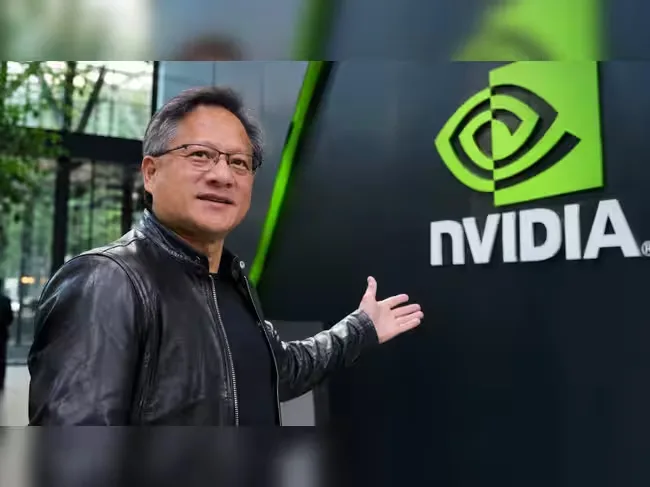
Shareholder Newman Nahas demands a special meeting to elect new board members.
Concerns arise over the board's potential conflict of interest in the ongoing lawsuit.
Jensen Huang expressed willingness to return as CEO if deemed beneficial for stakeholders.
In a significant move, Nvidia shareholder Newman Nahas has formally requested the company's board to convene a special meeting aimed at electing three new directors. This request, outlined in a detailed 10-page letter dated November 20, comes in the wake of concerns regarding the board's impartiality in deciding the future of former CEO Jensen Huang. Nahas alleges that the current board members may have personal interests that could influence their decision, particularly as they face a separate lawsuit related to their handling of Huang's situation.
The backdrop to this controversy includes a shareholder derivative lawsuit filed on November 11, which accuses Nvidia's board of granting excessive control to Huang while simultaneously investigating him for alleged misconduct. The lawsuit claims that the directors have failed in their fiduciary duties, and Nahas contends that keeping Huang out of the CEO position could inadvertently bolster the board's defense in the ongoing legal proceedings.
Huang's departure from the CEO role on November 12 followed revelations of an extramarital affair with Alice Huang, a former executive at Megaspeed, who is under scrutiny by U.S. authorities for potential espionage connections. Despite these serious allegations, Nvidia stated that it found no evidence suggesting a breach of national security or compromise of company secrets. The board retained Huang during the investigation, which was initiated on November 8, led by the law firm Wachtell Lipton.
The implications of this situation extend beyond Nvidia's internal governance. The outcome of the board's decisions could significantly impact investor confidence and the company's reputation in the tech industry. If Nahas's proposal for new directors is accepted, it could lead to a shift in leadership dynamics, potentially allowing for a more objective assessment of Huang's role and future at Nvidia.
Looking ahead, the next steps hinge on the board's response to Nahas's demands. A special shareholder meeting could be scheduled, where the fate of Huang's return as CEO will be a pivotal topic. As the situation unfolds, stakeholders will be closely monitoring how Nvidia navigates these complex issues of governance and accountability.