Nvidia's AI Chips Flow to US Firms with Chinese Ties
A CBS News investigation reveals Nvidia's advanced AI chips are reaching US companies linked to Chinese ownership, raising export control concerns.
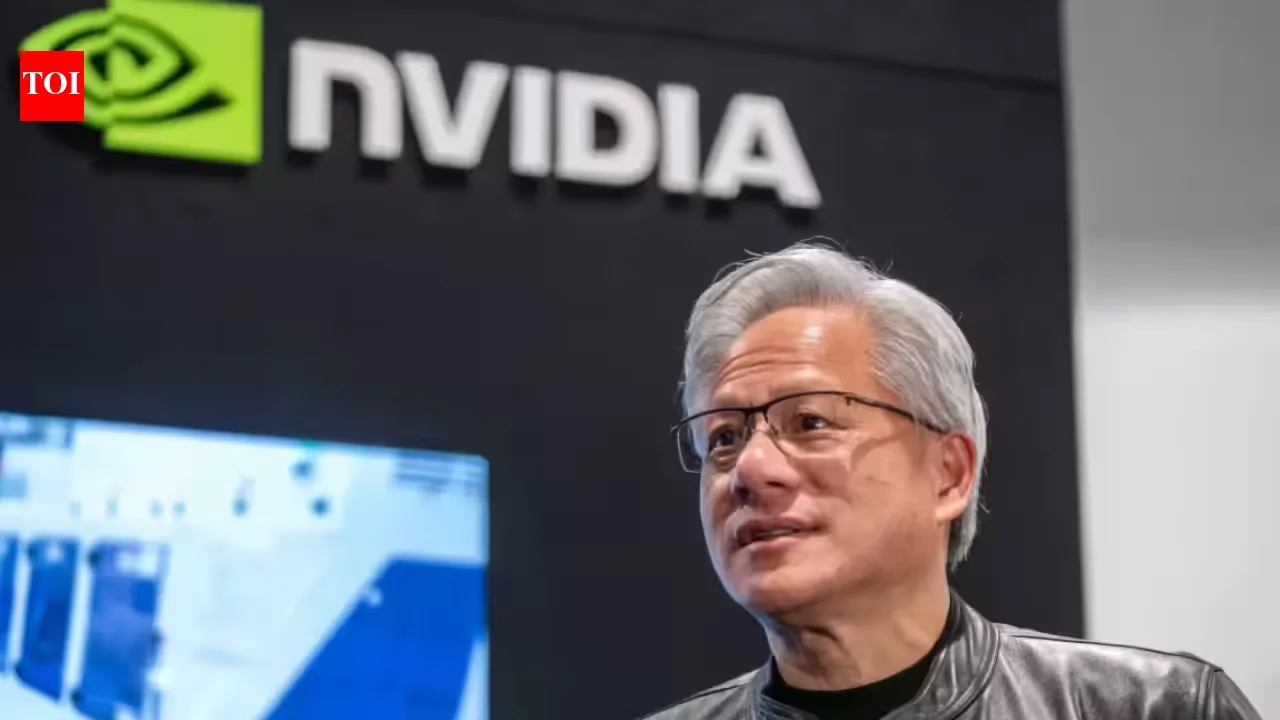
Nvidia supplies advanced AI chips to US firms with Chinese ownership.
Two California companies, RiCloud AI and Aivres, are identified in the investigation.
Concerns arise over the effectiveness of US export restrictions on sensitive technology.
A recent investigation by CBS News has uncovered that Nvidia is supplying its cutting-edge artificial intelligence chips to US-based companies that have Chinese ownership. This revelation has sparked new discussions regarding the effectiveness of American export restrictions aimed at preventing sensitive technologies from reaching China.
The investigation identified at least two companies in California, RiCloud AI and Aivres, which have connections to Chinese ownership and access to Nvidia's high-end chips. RiCloud AI, based in San Jose, is recognized as a preferred partner of Nvidia, allowing it priority access to advanced chips essential for developing and running sophisticated AI models. Notably, RiCloud's parent company, Yuxing InfoTech Investment Holdings Ltd, is based in Shenzhen, China, and its CEO has ties to the Chinese military.
Aivres, previously known as Inspur, also came under scrutiny as it changed its name after its Chinese parent company was placed on a US government blacklist in March 2023 due to security concerns. Despite this, Aivres continues to maintain a close relationship with Nvidia and has exported significant amounts of advanced technology to Southeast Asia, raising alarms about the potential circumvention of US export controls.
The implications of these findings are significant, as they highlight the complexities of ownership structures and the potential for sensitive technology to end up in the hands of entities in China, despite existing regulations. The investigation also points to the challenges faced by US authorities in tracking the ultimate destinations of these chips, as corporate records indicate that some US firms have leased or sold these advanced chips to companies in Southeast Asia.
Looking ahead, the ongoing scrutiny of Nvidia's sales practices and the relationships with these companies may lead to further investigations and potential regulatory changes. As the US government continues to grapple with the implications of technology transfer to China, the effectiveness of current export restrictions will likely be a focal point of discussion in the coming months.