Supreme Court Orders FSSAI to Implement Food Labeling Reforms by March 2027
The Supreme Court mandates the FSSAI to establish new food labeling norms, emphasizing health protection and consumer rights.
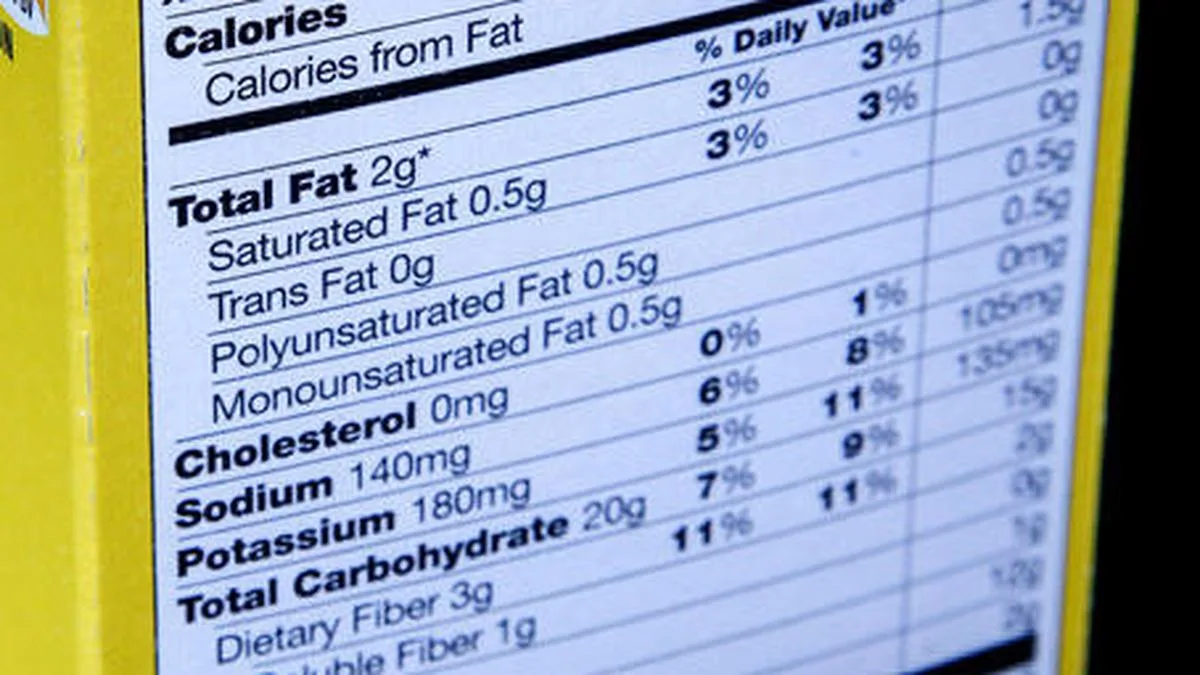
FSSAI is required to finalize new front-of-pack labeling regulations within four months.
Warning labels will feature hexagonal designs for high sugar, fat, and salt content.
The court stresses the importance of nutritional literacy in schools to promote healthy eating habits.
In a significant ruling on November 26, 2026, the Supreme Court of India directed the Food Safety and Standards Authority of India (FSSAI) to implement a new front-of-pack nutrition labeling (FoPNL) system. This initiative aims to enhance public health by mandating clear warning labels on packaged foods that are high in sugar, saturated fat, or salt. The court set a strict four-month deadline for the FSSAI to finalize these regulations, emphasizing the state's responsibility to protect public health.
This decision follows a public interest litigation filed by the NGO 3S and Our Health Society, which advocated for mandatory warning labels on unhealthy food products. The court highlighted the need for effective preventive measures to control the population's exposure to harmful substances, thereby safeguarding consumers from detrimental industry practices. The ruling reflects a growing recognition of the right to health as a fundamental obligation of the state.
The court's directive includes specific design requirements for the warning labels, which will now feature distinct red hexagons for each nutrient of concern. These labels must occupy a minimum of 4% to 5% of the package's principal display area, ensuring they are prominent and easily readable. The FSSAI is also instructed to adjust the thresholds for labeling to avoid both excessively high and low standards that could mislead consumers about the health risks associated with certain foods.
The implications of this ruling extend beyond labeling practices. The court expressed concerns about multinational food companies applying different standards in India compared to other countries, urging them to provide equal protection and information to Indian consumers. Furthermore, the court accepted the FSSAI's proposed timeline for implementing these changes but warned against potential misuse of the transition period, which could allow manufacturers to continue selling unlabelled products.
Looking ahead, the court emphasized the importance of nutritional education, particularly for schoolchildren, as a means of fostering lifelong healthy eating habits. It directed the government to ensure compliance with existing regulations that promote balanced diets in schools and to integrate nutritional literacy into the curriculum. This comprehensive approach aims to empower children to make informed dietary choices, reinforcing the connection between regulation and education in promoting public health.