Nvidia Halts H200 Chip Exports to China Amid Controversy
Nvidia has suspended its H200 chip shipments to China, affecting a significant number of units already in Hong Kong.
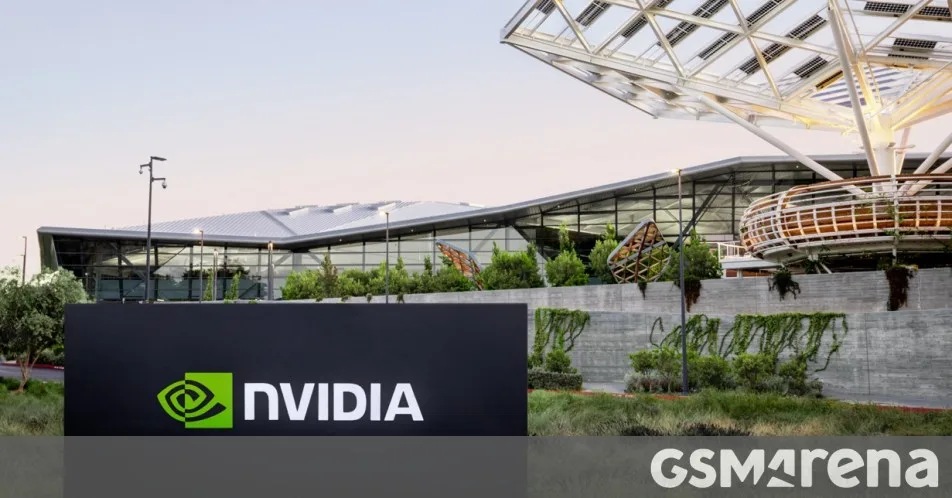
Nvidia's interim CEO announced the halt during a Q3 earnings call.
Approximately 600,000 H200 chips are currently stuck in Hong Kong.
The Chinese government is limiting imports to reduce reliance on US technology.
Nvidia has announced the suspension of its H200 AI chip exports to China, a significant move that affects its operations in the region. This decision was revealed by Colette Kress, Nvidia's interim CEO, during the company's recent third-quarter earnings call. The halt comes after the company had previously received government approval to sell these chips to select customers in China, albeit with certain restrictions, including a 25% export tariff imposed by the US.
The background to this decision involves Nvidia's earlier approval in December to sell H200 chips to specially vetted customers in China. However, the current geopolitical climate and internal company controversies may have influenced this abrupt change. Speculation surrounds the potential impact of former CEO Jensen Huang's alleged personal entanglements with individuals linked to Chinese interests, which could have raised concerns within the company regarding its operations in China.
Reports indicate that around 600,000 H200 chips, which were intended for Chinese clients, are currently stranded in Hong Kong. This backlog highlights the growing tensions in US-China relations, particularly in the tech sector. Furthermore, the Chinese government has reportedly been withholding import approvals for these chips, aiming to decrease its dependency on American technology and bolster its domestic capabilities.
The implications of Nvidia's decision are significant, not just for the company but also for the broader tech industry. The halt in exports could lead to a reevaluation of supply chains and partnerships in the region, as companies navigate the complexities of international trade and regulatory environments. This move may also signal a shift in how tech firms approach markets that are heavily influenced by geopolitical factors.
Looking ahead, Nvidia's next steps remain uncertain. The company will likely need to reassess its strategy in China and consider the long-term effects of this suspension on its business. Investors and industry analysts will be closely monitoring any developments, particularly regarding potential resolutions to the backlog of chips in Hong Kong and the broader implications for US-China tech relations.