India's Economic Outlook: Managing Rupee Strength in FY28
Chief Economic Advisor V Anantha Nageswaran highlights potential economic growth factors for India in FY28, emphasizing the management of rupee strength.
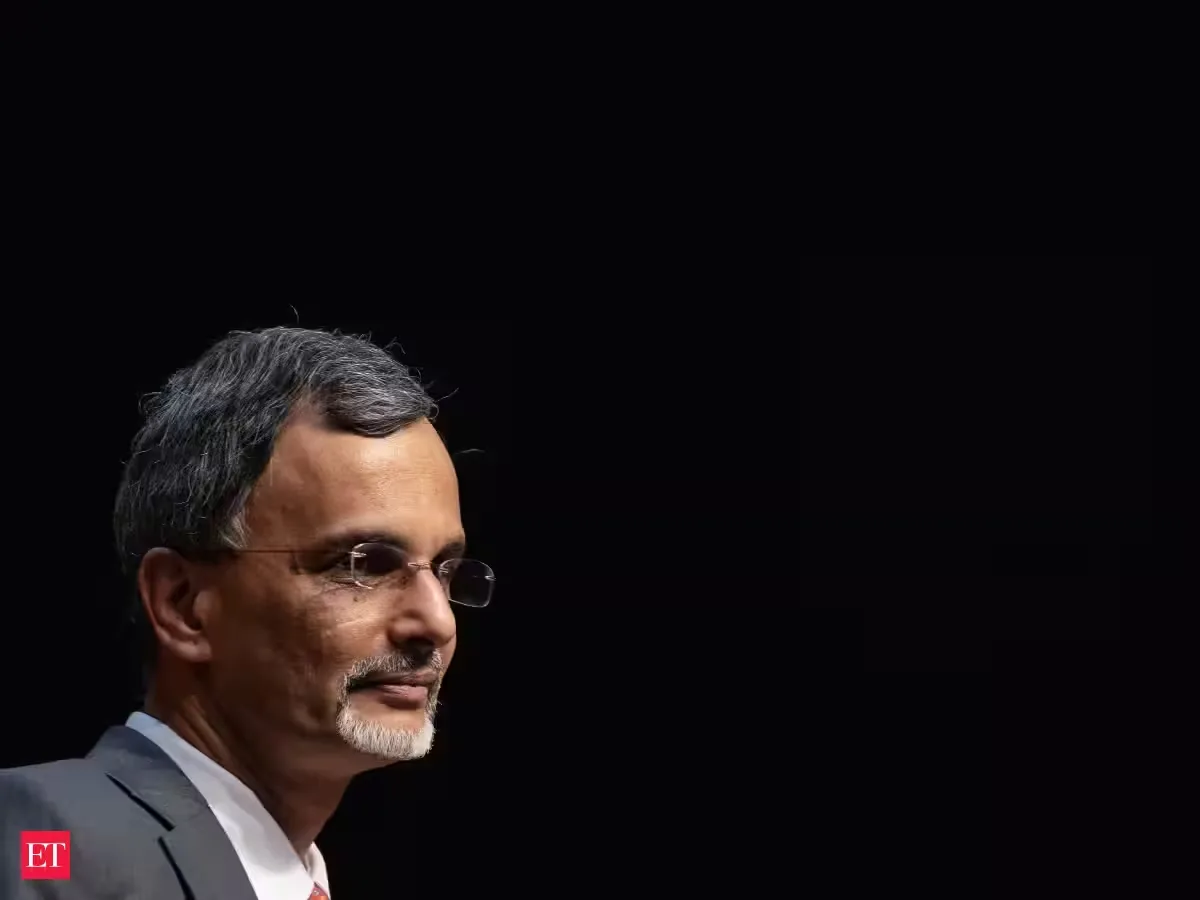
India may face challenges managing rupee strength rather than weakness in FY28.
Easing crude oil prices and improved foreign investment could boost India's economy.
India's exports are on track to approach a $1 trillion target this fiscal year.
In a recent address at FICCI's Annual General Meeting in New Delhi, Chief Economic Advisor V Anantha Nageswaran projected that India might need to focus on managing the strength of the rupee rather than its weakness in the fiscal year 2027-28. This shift in focus is attributed to several favorable economic indicators, including declining crude oil prices and an uptick in foreign investment flows, which could collectively enhance India's economic landscape.
Nageswaran noted that predictions suggest Brent crude prices could drop below $80 per barrel in the upcoming year. Such a decrease would significantly alleviate input costs and inflationary pressures, potentially leading to higher growth rates for the Indian economy. He emphasized that if these conditions materialize, India could experience a substantial economic windfall, benefiting from lower energy prices.
The CEA highlighted that India has seen a positive trend in foreign institutional investment, with net equity inflows reaching $5.2 billion during July and August. This influx coincided with a period of declining crude oil costs and growing concerns over AI sector valuations. He pointed out that the resilience of Indian equities during global sell-offs indicates that India is increasingly viewed as a safe investment haven, further attracting global capital.
Nageswaran also addressed the country's export performance, revealing that goods and services exports have reached approximately $568 billion in the first seven months of the current financial year. If this momentum continues, India is on track to meet its ambitious target of $1 trillion in exports by the end of the fiscal year. He expressed optimism about India's post-pandemic recovery, bolstered by macroeconomic stability and prudent fiscal management.
Looking ahead, Nageswaran acknowledged the challenges posed by geopolitical uncertainties, supply chain disruptions, and the dominance of China's manufacturing sector. He stressed the importance of enhancing economic resilience through coordinated efforts among the government, private sector, and households to effectively navigate the evolving global economic landscape.