Investors Seek Protection Amid AI Market Concerns
As fears of a downturn in AI investments grow, investors are turning to hedging strategies to safeguard their assets.
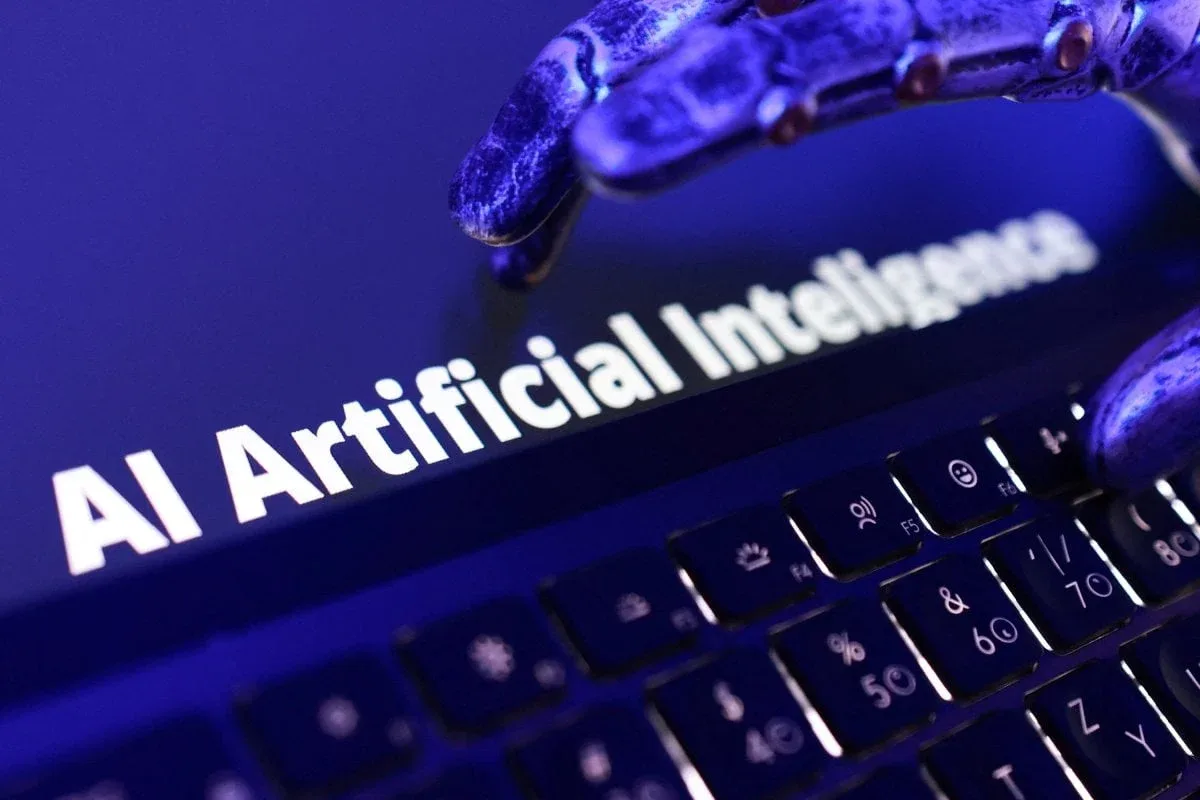
Investors are increasingly using hedging instruments like put options amid a tech stock decline.
CoreWeave has seen record trading volumes for downside protection options.
Corporate debt insurance costs for major tech firms have reached their highest since 2021.
Investors and technology leaders are actively pursuing protective measures against a potential downturn in the artificial intelligence market, driven by rising concerns regarding the viability of substantial AI-related investments. Reports indicate that demand for hedging tools, such as put options and credit-default swaps, has surged following significant drops in technology stock prices, prompting a reevaluation of valuations in the sector.
The Nasdaq Composite index recently fell by 2.9%, marking its most significant monthly decline since March 2025. This downturn has led investors to reassess the sustainability of their investments in technology, particularly in AI infrastructure. CoreWeave, a prominent provider in this space, has experienced heightened interest in downside protection, with trading volumes for put options linked to the company hitting unprecedented levels in October, according to data from Cboe Global Markets.
Notably, popular options include contracts set to expire in 2028, which would yield benefits if CoreWeave's stock price drops to $35 from its recent level of around $55. Additionally, concerns have permeated corporate debt markets, with the cost of insuring against defaults for major firms like Amazon, Alphabet, Microsoft, Meta, and Oracle reaching the highest point since 2021, as reported by bond data provider Solve. Oracle, in particular, has seen a significant widening of its credit-default swap spreads by over one percentage point.
In response to these risks, trading firms are innovating new financial products tailored to the challenges posed by AI computing infrastructure. For instance, Jump Trading has introduced a trading desk focused on computing power, offering derivatives aimed at shielding data center operators from declining chip rental prices. Rental rates for Nvidia B300 chips have surged approximately 56% this year, reaching $7.56 per hour, highlighting the need for protective contracts that could mitigate future rental rate declines as computing capacity continues to grow.
Despite the uptick in hedging activities, the overall demand for protection remains relatively modest compared to the expansive AI investment landscape. Firms like Susquehanna International Group are also witnessing interest from data centers and private AI infrastructure providers looking to hedge against semiconductor-related risks, with some contracts proposed to track computing-power indexes to help secure financing by limiting exposure to falling rental revenues.