Gold Prices Plummet 8.92% Amid Fed Rate Hike Fears
Gold prices have seen a significant decline, closing at $3,538 as concerns over potential Federal Reserve rate hikes intensify.
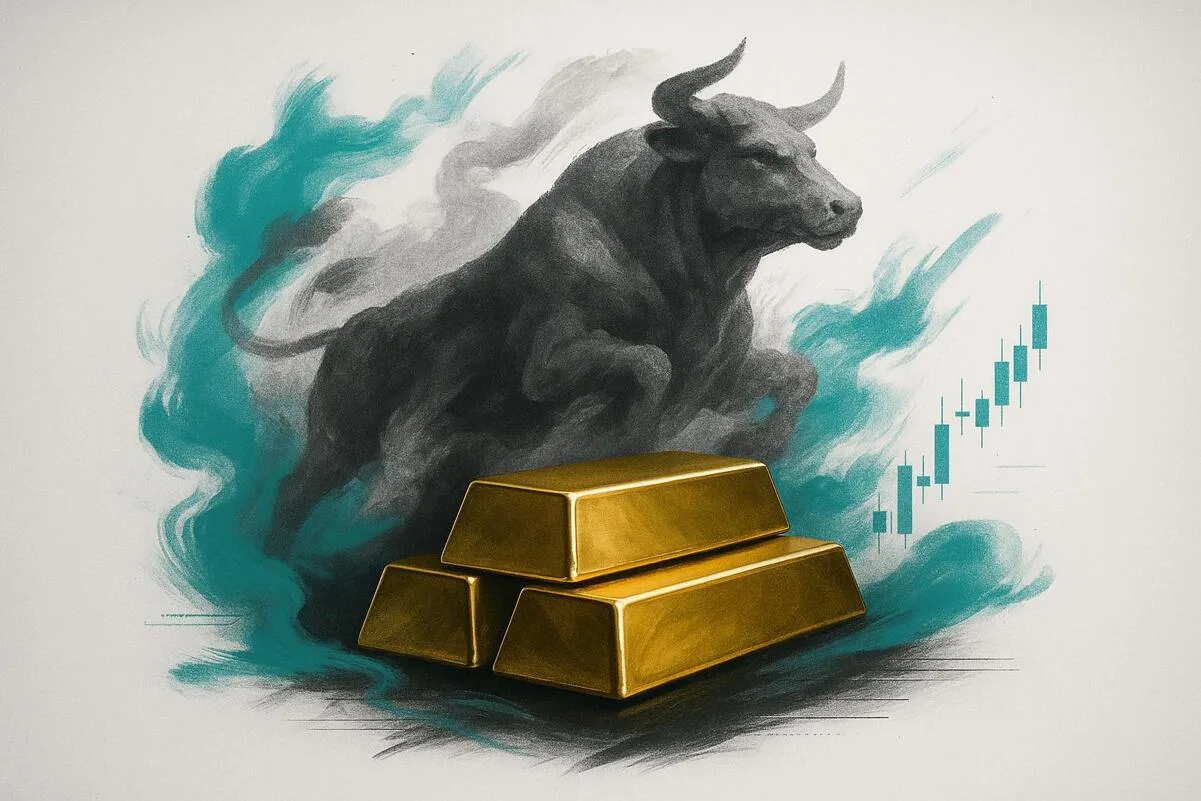
Gold dropped 8.92% last week, reflecting pressures from a strong US dollar and Fed rate hike expectations.
Historical parallels drawn to 2022, when gold prices fell nearly 22% due to similar economic conditions.
Central banks are increasing gold purchases, suggesting potential support for prices despite current declines.
In a dramatic turn of events, gold prices fell by 8.92% last week, closing at $3,538. This decline is largely attributed to growing concerns over potential interest rate hikes by the Federal Reserve, which have bolstered the US dollar and exerted downward pressure on gold. The current market conditions echo the tumultuous environment of 2022, when gold prices plummeted significantly following the onset of the Russia-Ukraine conflict.
The backdrop to this decline involves a series of economic factors that have historically influenced gold prices. In 2022, soaring inflation rates, exacerbated by the geopolitical crisis, led to substantial increases in energy prices, which in turn raised transport and household costs. The Federal Reserve responded to this inflationary pressure by implementing aggressive rate hikes, raising rates from 0.25% in early 2022 to 5.5% by mid-2023. This environment of high interest rates has historically been detrimental to gold prices, as investors tend to favor interest-bearing assets over non-yielding gold.
Recent data shows that inflation remains a pressing issue, with the Personal Consumption Expenditures (PCE) inflation rate indicating persistent price pressures. Fed officials, including Governor Lisa Cook, have highlighted that inflationary pressures are not solely driven by energy costs but are also influenced by broader economic factors, including tariffs and investments in technology. The expectation of further rate hikes in December has already begun to impact market sentiment, contributing to the current downturn in gold prices.
Despite the recent selloff, there are signs that central bank demand could provide a buffer for gold prices. Central banks purchased 321 tonnes of gold in the third quarter of 2026, marking a 42% increase from the previous year. This trend suggests that reserve managers are taking advantage of lower prices to bolster their holdings. Notably, China's gold reserves have increased significantly, indicating continued accumulation during market corrections.
Looking ahead, the outlook for gold remains uncertain. Analysts suggest that if inflation pressures ease and oil prices stabilize, there may be potential for a rebound in gold prices. However, if gold falls below the critical support levels of $3,400 to $3,500, it could trigger further declines towards the $3,000 mark. Investors will be closely monitoring upcoming economic data and Federal Reserve announcements to gauge the future trajectory of gold prices.