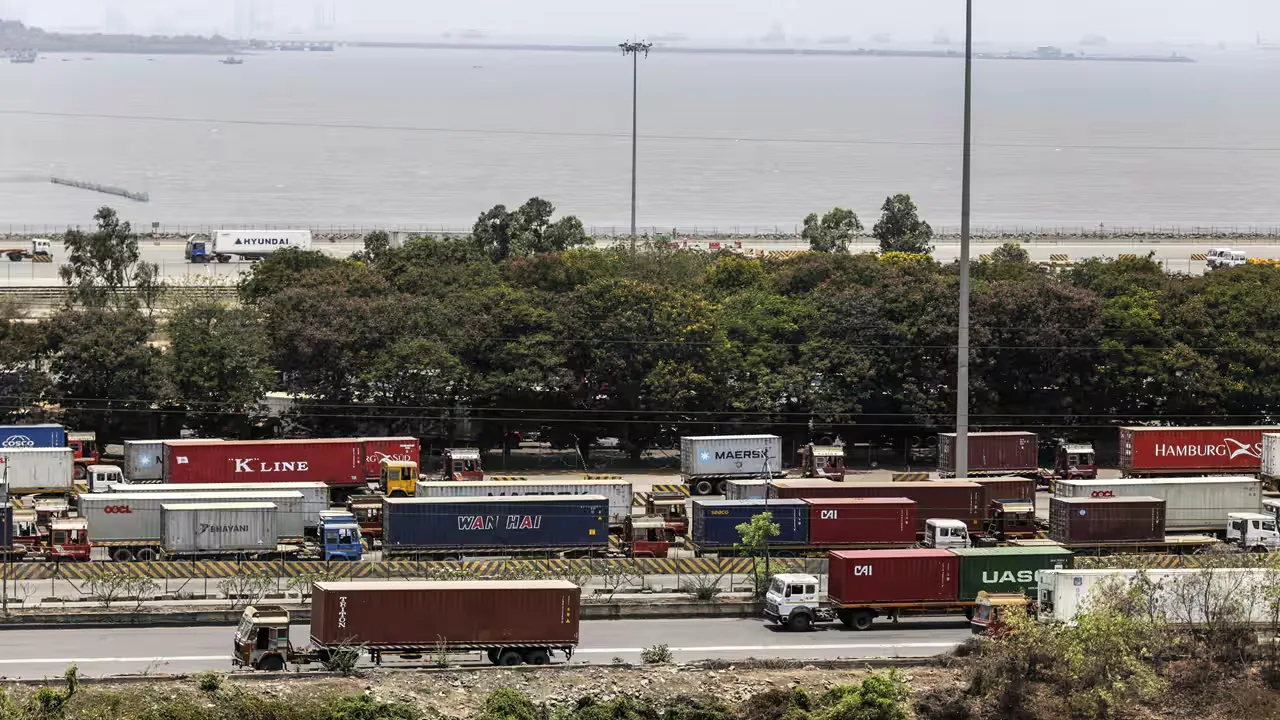
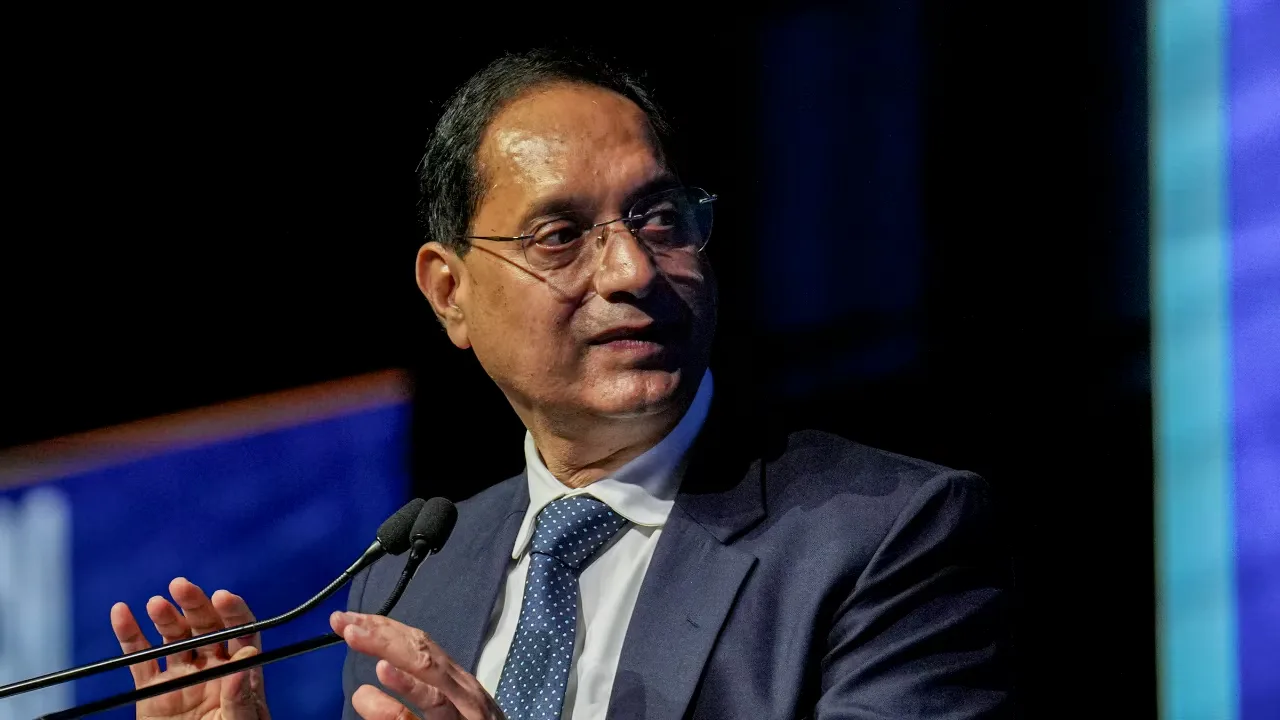
Global Brands Divert $254 Million in Orders from Bangladesh to India
Zara, H&M, and other major retailers shift production to India amid ongoing labor unrest in Bangladesh.
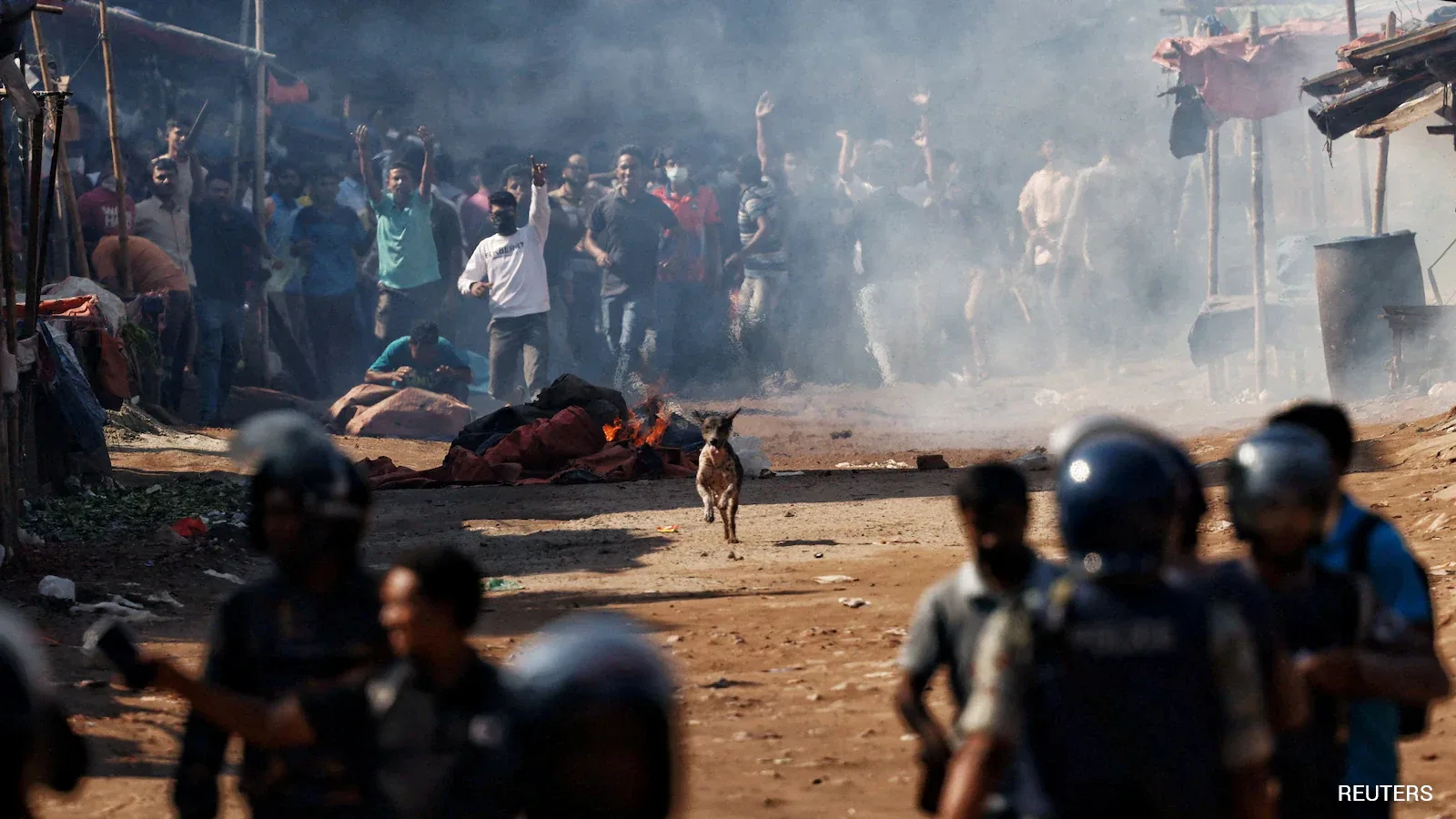
$254 million worth of orders were redirected from Bangladesh to India in November.
Bangladesh's garment industry faces significant production losses exceeding $400 million due to unrest.
India is positioned as a key beneficiary, with shorter delivery times compared to Bangladesh.
In a significant shift, global fashion retailers, including Zara and H&M, have redirected nearly 10% of their orders from Bangladesh to India amid escalating labor unrest. Between November 1 and 18, approximately $254 million in orders were moved to various Asian manufacturing hubs, primarily to India, according to three factory owners. This transition poses a considerable threat to Bangladesh's economy, which heavily relies on its garment sector.
The backdrop of this shift is marked by rising labor costs, energy shortages, and political instability in Bangladesh, which have diminished the country's competitive edge as the world's second-largest apparel exporter after China. The ongoing protests have resulted in over $400 million in production losses, as reported by the Bangladesh Garment Manufacturers and Exporters Association (BGMEA). The garment industry is crucial to Bangladesh's economy, accounting for over 80% of its export earnings and nearly 40% of its manufacturing jobs.
As brands seek to mitigate supply chain risks, India has emerged as the primary beneficiary of this shift. Other countries like Vietnam, Cambodia, and Indonesia are also being considered for order placements. The urgency for brands to ensure reliable delivery has intensified, especially after Bangladesh's recent approval of a 36% minimum wage increase for garment workers, which is the smallest increment in four decades. Despite government assurances of a satisfactory wage adjustment, workers' demands for more substantial increases have led to renewed clashes with law enforcement.
The implications of this order diversion extend beyond immediate economic impacts. Industry leaders express concern that the shift in orders could become permanent if instability continues. Persistent energy shortages, worsened by geopolitical tensions, have forced manufacturers to consider costly alternatives for power, further complicating production schedules. Bangladesh's lead times for production and delivery are approximately 120 days, compared to about a week for India and up to 60-90 days for other competitors, making the latter more appealing to global brands.
Looking ahead, restoring stability in Bangladesh's garment sector will be crucial for retaining international buyers. Industry experts warn that orders shifted during periods of unrest may not return even after conditions improve. The challenge lies in rebuilding buyer confidence to prevent temporary shifts from becoming long-term sourcing decisions. As brands explore alternatives, the pressure is on Bangladesh to address its internal challenges promptly.