FCC Approves SpaceX's Plan for One Million Satellites
The FCC has granted SpaceX permission to launch up to one million satellites to establish space-based data centers.
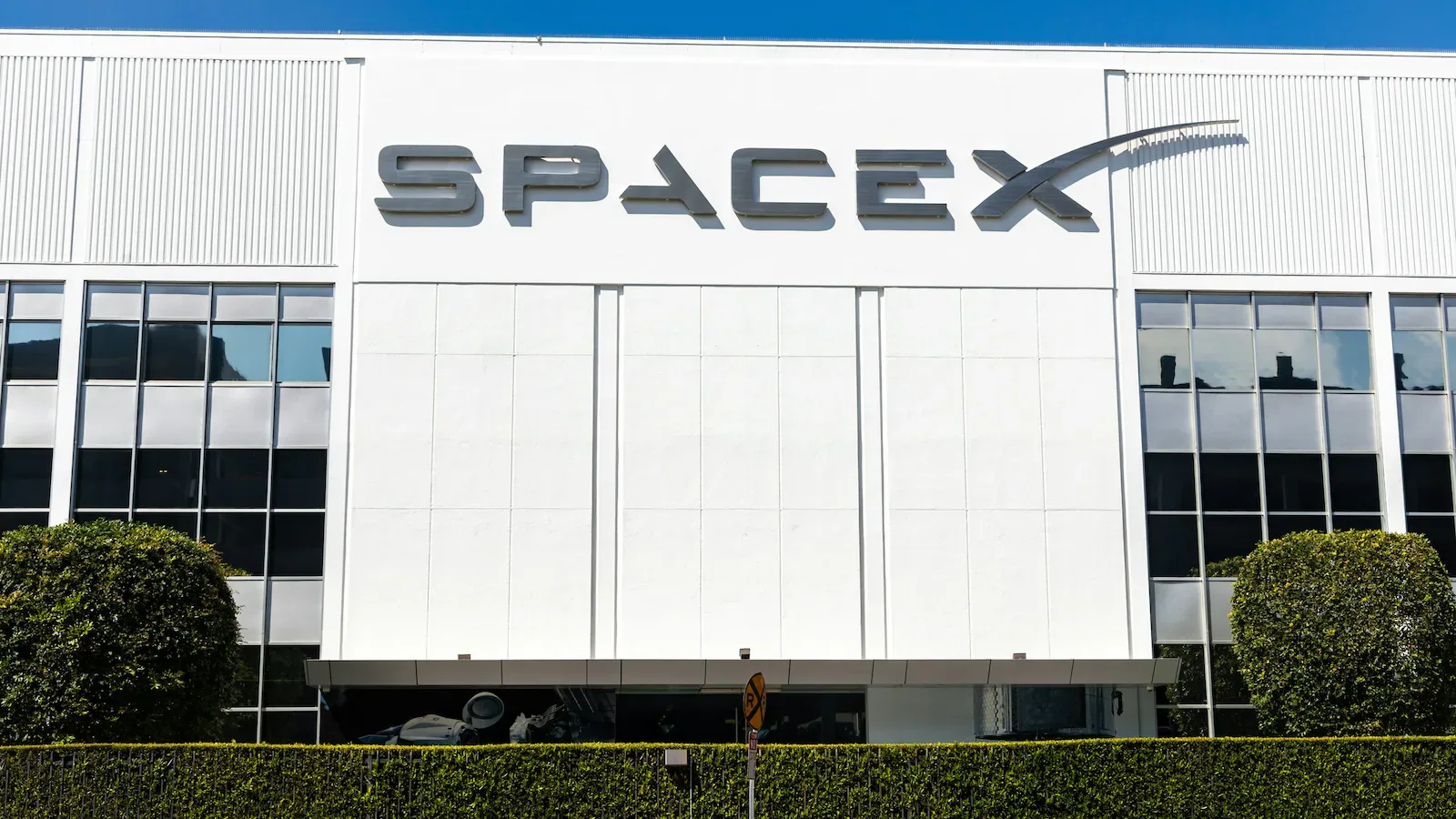
SpaceX's authorization from the FCC allows for one million satellites until 2040.
The initiative aims to create data centers in low Earth orbit, enhancing data processing capabilities.
SpaceX has partnered with Nvidia for advanced processors to support its satellite operations.
The Federal Communications Commission (FCC) has officially approved SpaceX's ambitious plan to deploy up to one million satellites, a significant step towards establishing data centers in space. This approval, announced on Wednesday, allows SpaceX to operate its satellite constellation until the year 2040, marking a pivotal moment in the evolution of space-based technology.
The concept of orbiting data centers has gained traction over the past year, with several companies entering the fray. In addition to SpaceX's Starmind constellation, tech giant Google is working on a project dubbed Suncatcher, while Blue Origin has submitted its own application for a venture named Project Sunrise. Startups like Starcloud are also making strides, having successfully tested advanced processors aboard satellites.
SpaceX's operational advantage lies in its fleet of rockets, which have completed numerous missions successfully. Elon Musk, the CEO of SpaceX, has indicated plans for the first satellite launch to occur in the fourth quarter of 2027, with an increase in activity expected in 2028. The company has secured a partnership with Nvidia to utilize its latest Vera Rubin processors, specifically designed for the harsh conditions of space.
The architecture of these space-based data centers typically involves a constellation of satellites in low Earth orbit (LEO), strategically positioned to maintain reliable communication. SpaceX's satellites will integrate with the existing Starlink satellite internet network, facilitating data transmission back to Earth. Competing networks are also exploring innovative methods for data retrieval and transmission using laser technology.
Despite the promising outlook, several technical challenges remain unresolved, including the resilience of processors to high radiation levels and the ability to withstand extreme temperatures and potential damage from space debris. However, the advantages of locating data centers in space are compelling, particularly the ability to harness solar energy efficiently, with satellites in sun-synchronous orbits capable of capturing energy eight times more effectively than terrestrial counterparts.