Elon Musk Challenges Indian Telecom Monopoly in Starlink Dispute
Elon Musk publicly confronts Indian telecom regulations, questioning the monopoly held by local operators in a bid to launch Starlink in India.
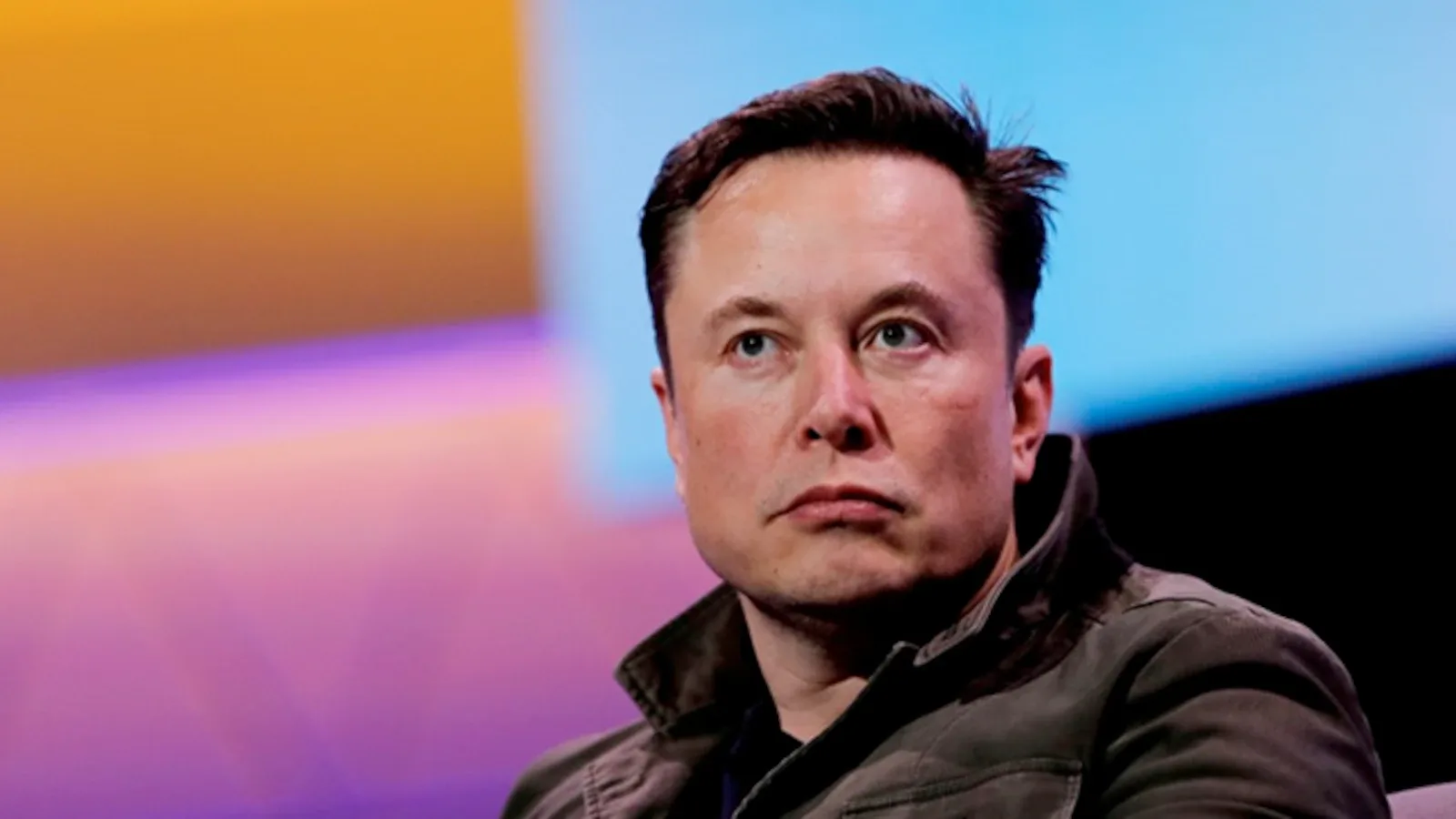
Musk claims Starlink is being blocked by oligarchs to maintain monopolistic control.
The Indian Ministry of Communications refutes Musk's allegations as baseless.
Starlink has complied with Indian regulations for five years but has yet to receive a license.
In a bold move regarding satellite internet services in India, Elon Musk, the CEO of Tesla and SpaceX, has taken to his social media platform X to address Prime Minister Mukesh Ambani directly. Musk's comments come amid ongoing tensions over the launch of Starlink, his satellite internet service, which he claims is being obstructed by local oligarchs. He expressed his apologies to Ambani, suggesting that the Indian telecom landscape is dominated by monopolistic practices that hinder competition.
The controversy erupted when Musk accused certain powerful individuals of blocking Starlink's entry into the Indian market. He stated that this obstruction is detrimental to the Indian populace, particularly affecting children’s education and small businesses that lack internet access. Musk emphasized that Starlink could significantly improve the lives of many in India by providing essential connectivity.
Starlink, which is part of SpaceX, competes with other satellite communication services like Eutelsat OneWeb and Jio Satellite Communications, both of which have received telecom licenses from the Indian government. However, to begin operations, these companies must meet security compliance requirements set by the government, which is currently under assessment. Musk has repeatedly questioned the delay in obtaining a license for Starlink, asserting that the company has adhered to all legal requirements for five years.
The Indian Ministry of Communications responded to Musk's claims, labeling them as unfounded. The ministry stated that the regulatory framework for satellite communication in India is fair and non-discriminatory, countering Musk's assertion that it is being applied selectively. This public exchange has raised concerns about the regulatory environment for foreign companies in India and the influence of established local players in the telecom sector.
Looking ahead, the situation remains tense as Musk continues to advocate for Starlink's entry into India. The outcome of the ongoing security assessments and regulatory reviews will be crucial in determining whether Starlink can operate in the Indian market. As the debate unfolds, it highlights broader issues regarding competition, innovation, and access to technology in one of the world's largest telecommunications markets.